
A Day in the Heart of European Gunmaking
I’ll admit, I was a bit peeved. My lofty plans involving guns and rock and roll while humoring my wife with a European vacation were in shambles, and we were stuck in a town with an undeniably unpleasant populace. A glimmer of hope arrived when I stumbled across a tenebrous weapons museum tucked away inside a medieval palace.
A birthday tour of the Continent’s famous Christmas markets in celebration of my wife’s 40th had us spending two nights in Liège, Belgium – a hub for gun-making both artisanal and mass-market since the Middle Ages. The first boom-sticks made it to Europe in the 1300s, and Liège would soon after emerge as an important center for the gun craft in the Western world.
While making plans I had high hopes of getting a peek at Fabrique Nationale, just a stone’s throw away in Herstal (a different town in name only). Having photographed and written about nearly a dozen firearm manufacturers and factories, it was too good an opportunity to not pursue.
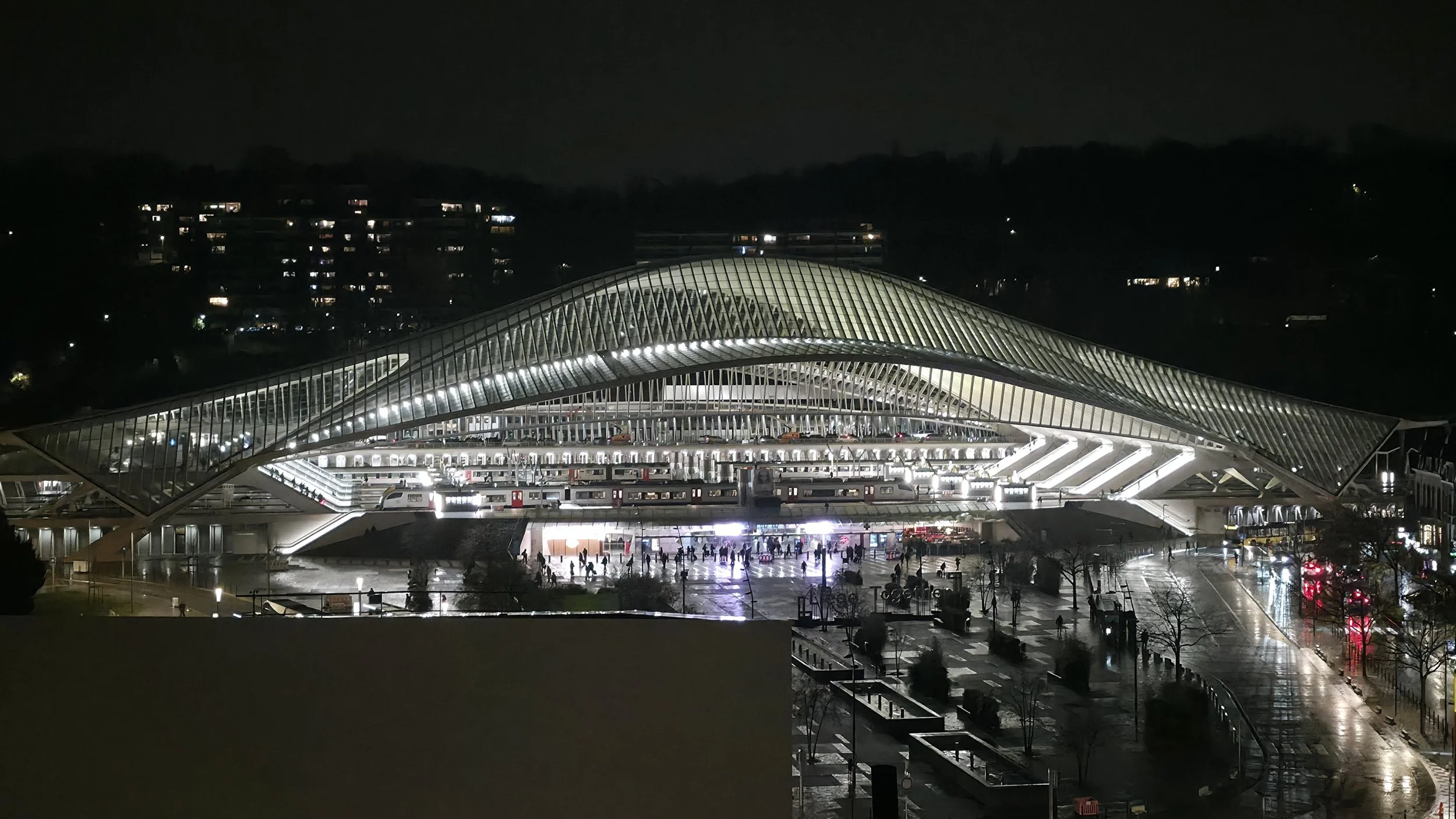
Pulling into Liège, we were dazzled by the train station itself – a beautiful beacon of light in a decidedly drab city…
Several months of texts, emails and introductions via the US crew for FN had resulted in nary a peep from the Belgian side. C'est la vie.
What had turned our course towards Liège of all towns was a rock concert headlined by Black Rebel Motorcycle Club. On a European tour for the anniversary of the album that introduced my wife and I to their music, it was tempting to try to catch a show while abroad. While I hemmed and hawed over it, my wife just booked the tickets, happy to cut our time in Sweden short if it meant I had something to look forward to on the trip.
Two planes and a train later, we arrived at our destination to a crushing email – the lead singer had come down sick and the show had been postponed. To be honest, it was rather devastating. Not only had I not gotten in at FN, now the core reason we’d come to Liège had pulled its own Keyser Söze.
Awash with disappointment and hoping a good meal might elevate the mood, I asked after a local restaurant at our hotel’s front desk. The twenty-something barely looked up from her novel and replied with a smoky French lilt, “I don’t know the city.”
Huh, so helpful. To the internet, then.
Head in my phone, scrolling past kebab joints and sushi restaurants in hopes of finding more local fare, I noticed a guy in all black, leather jacket and a mohawk, splayed out in the lounge with a dour look on his face.
“Any chance you were headed to the concert tonight?” I asked, thinking I’d found a kindred spirit.
“I don’t speak English.” he sneered in ironically perfect English before tossing his chin up and looking away.
Alrighty then. Maybe it made more sense why I’d never gotten a reply from the local arms company…
Sandwiched between France and Germany, the south half of Belgium operates in French and does its damndest to imbue it with every ounce of haughty self-importance that can be basted upon the spoken word. They may be Belgian, but they’re really just uppity Frenchmen who drink beer instead of wine.
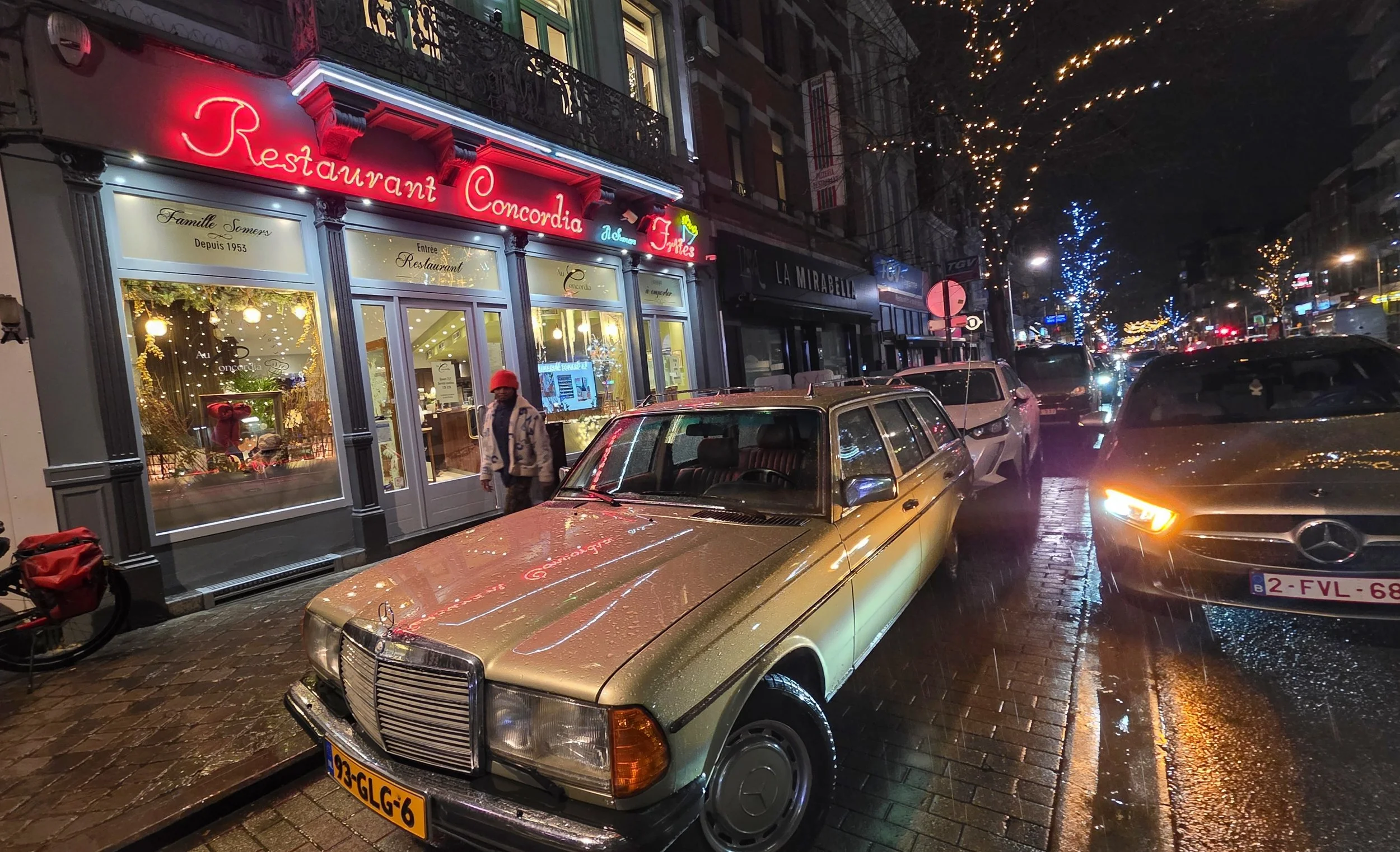
Wonderful food with plenty of attitude at Restaurant Concordia.
But I digress. We found a superb local restaurant that had been there since just after the war and a waitress who suffered us admirably given our lack of the local language – so far the high mark of our interactions.
The other waiters and kitchen staff, on the other hand, made it a point to loudly mock our mis-pronunciations in a manner that we knew exactly what they were saying.
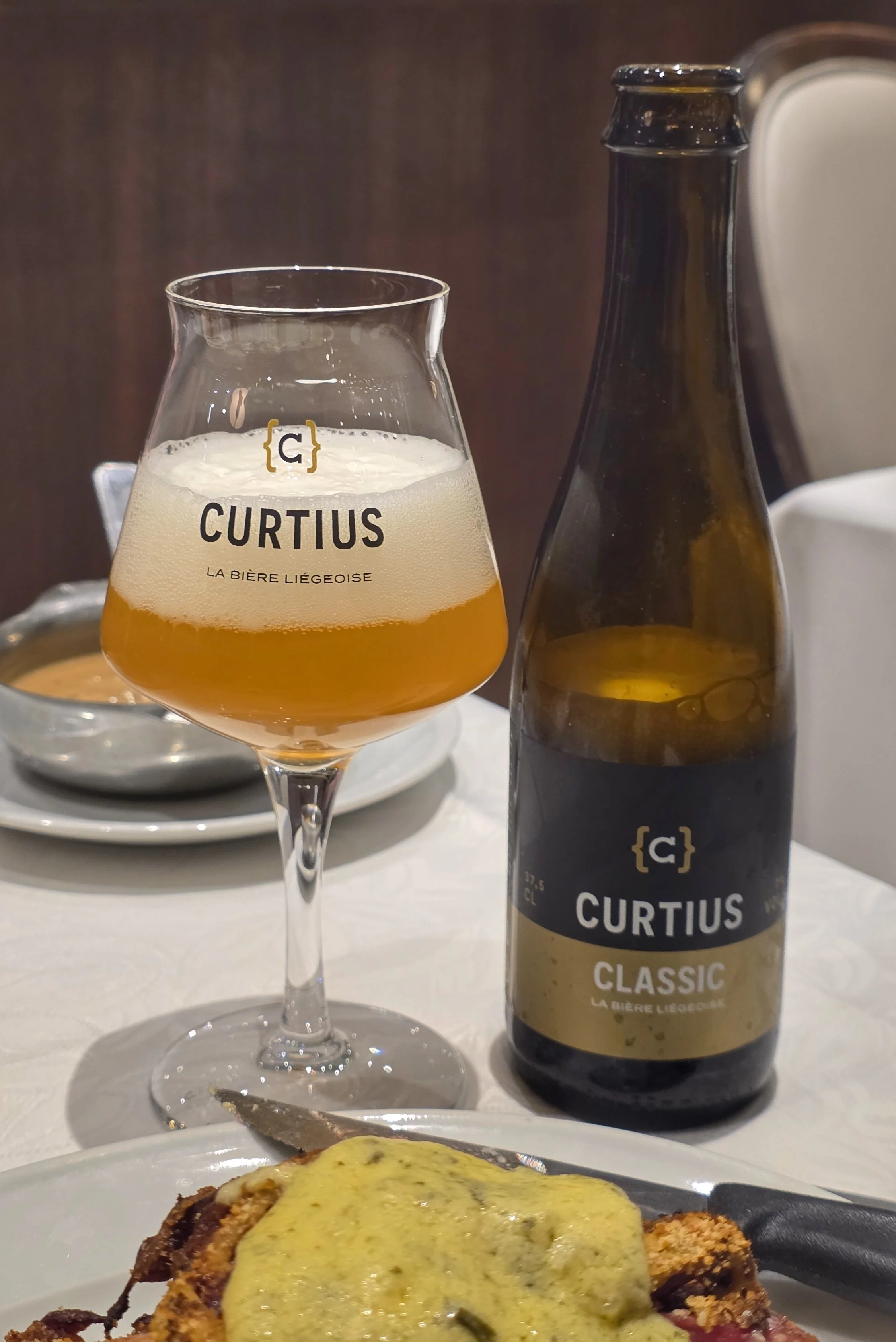
Honestly, how would you pronounce this beer name? Chances are, you’re completely wrong!
Really, who’d guess you pronounce ‘Curtius’ as ‘ker-SWEESS’? I just wanted a local beer…
Crashing in our room after the best meal of our entire tour, I started searching for something to do besides the outdoor Christmas market we had planned to hit in the morning. With continuing rain in the forecast, anything inside would be nice.
Then my scrolling found Le Grand Curtius – a recently-renovated museum containing a variety of exhibits, but the most important being an arms collection spread across three floors inside of a 1600s palace. Our plans were made…
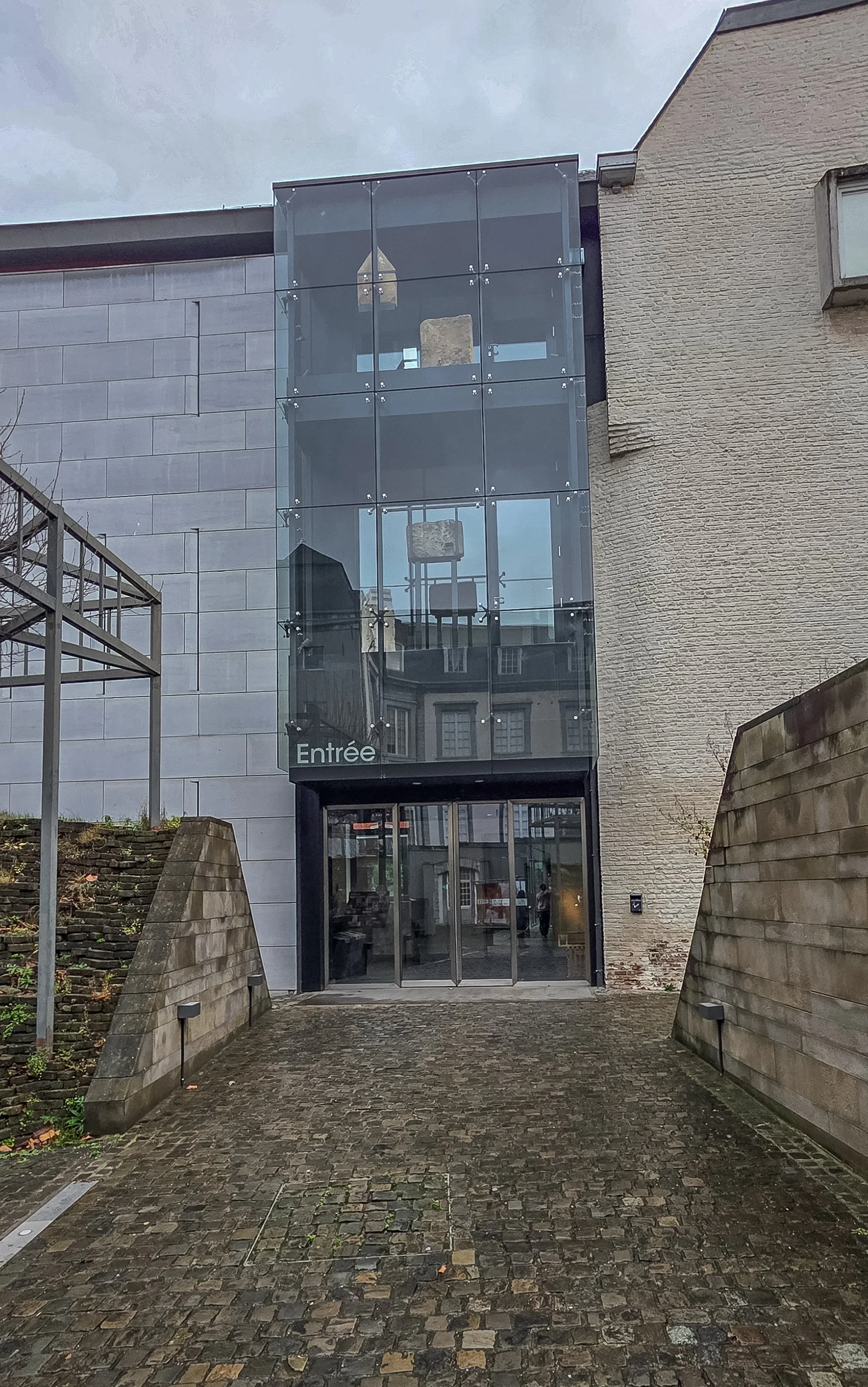
Emerging into the arms wing, it immediately echoed the sentiments found in its Google reviews – the displays in the entry hall were dismally dark and nearly completely un-lit. The first-floor docent was hardly apologetic, letting me know in broken English that there was an issue with the power to some displays and that’s just how it was.
In the words of the Scouser we palled around with early in our trip, they CBA to get it fixed – couldn’t be arsed.
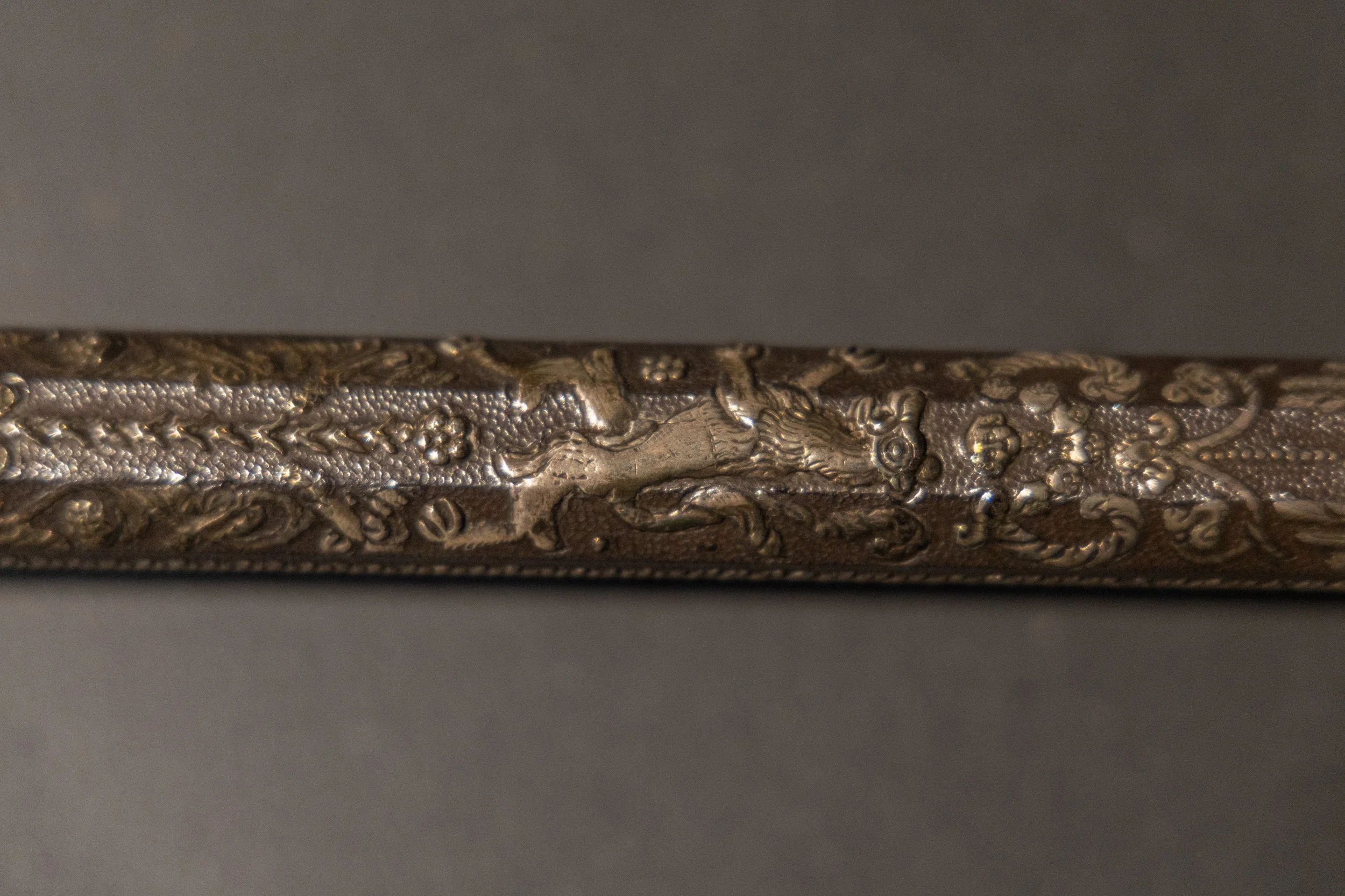
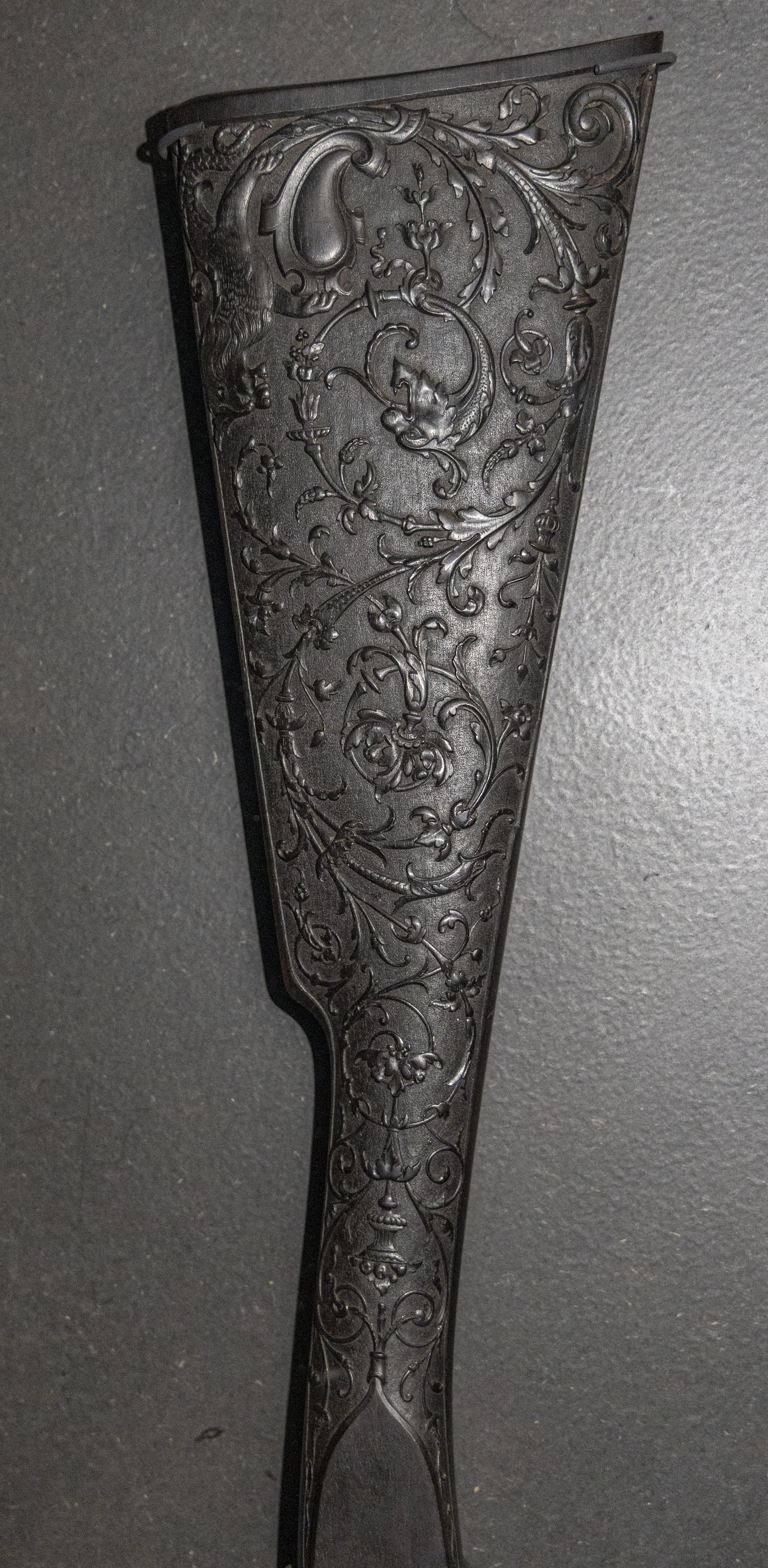
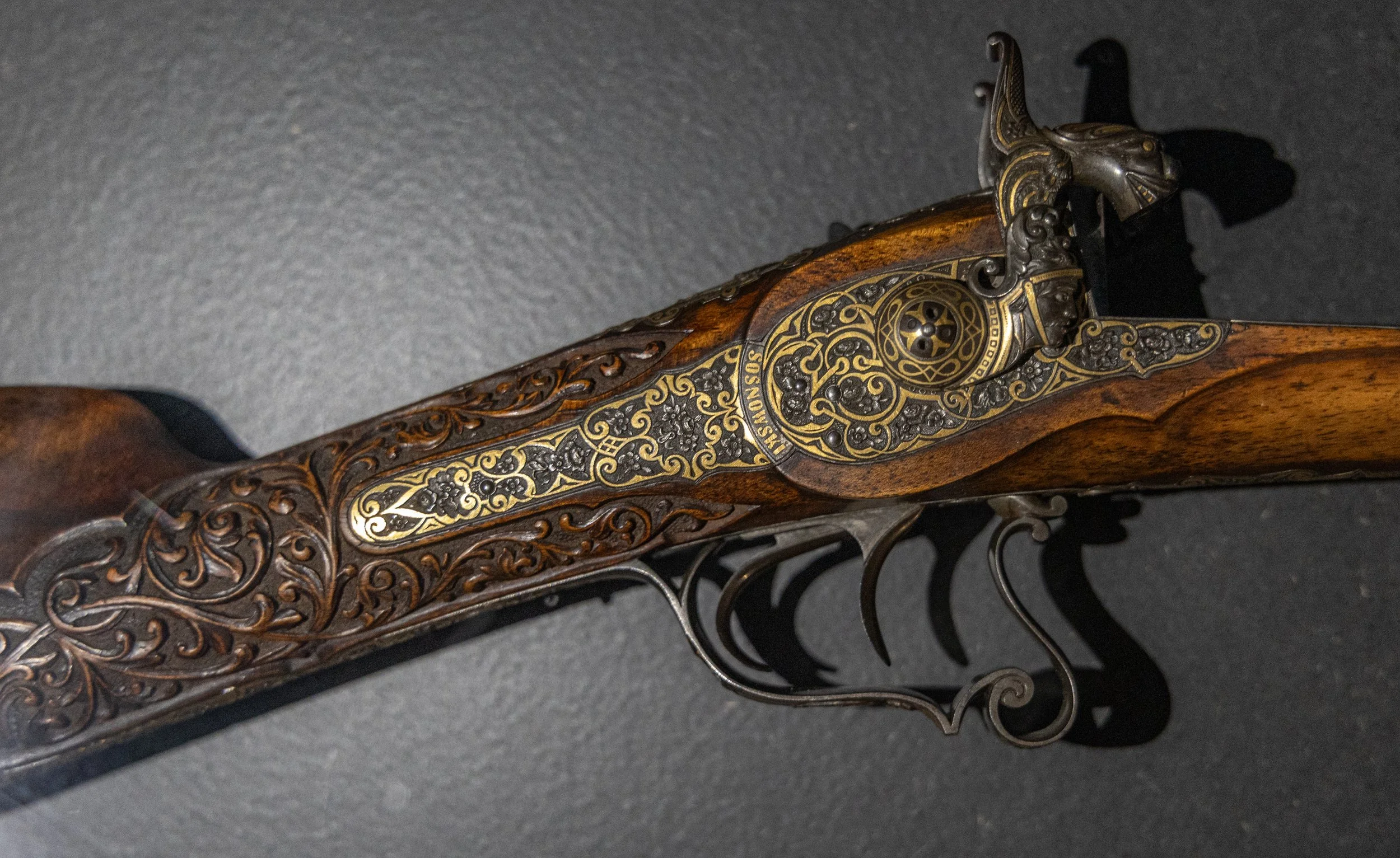
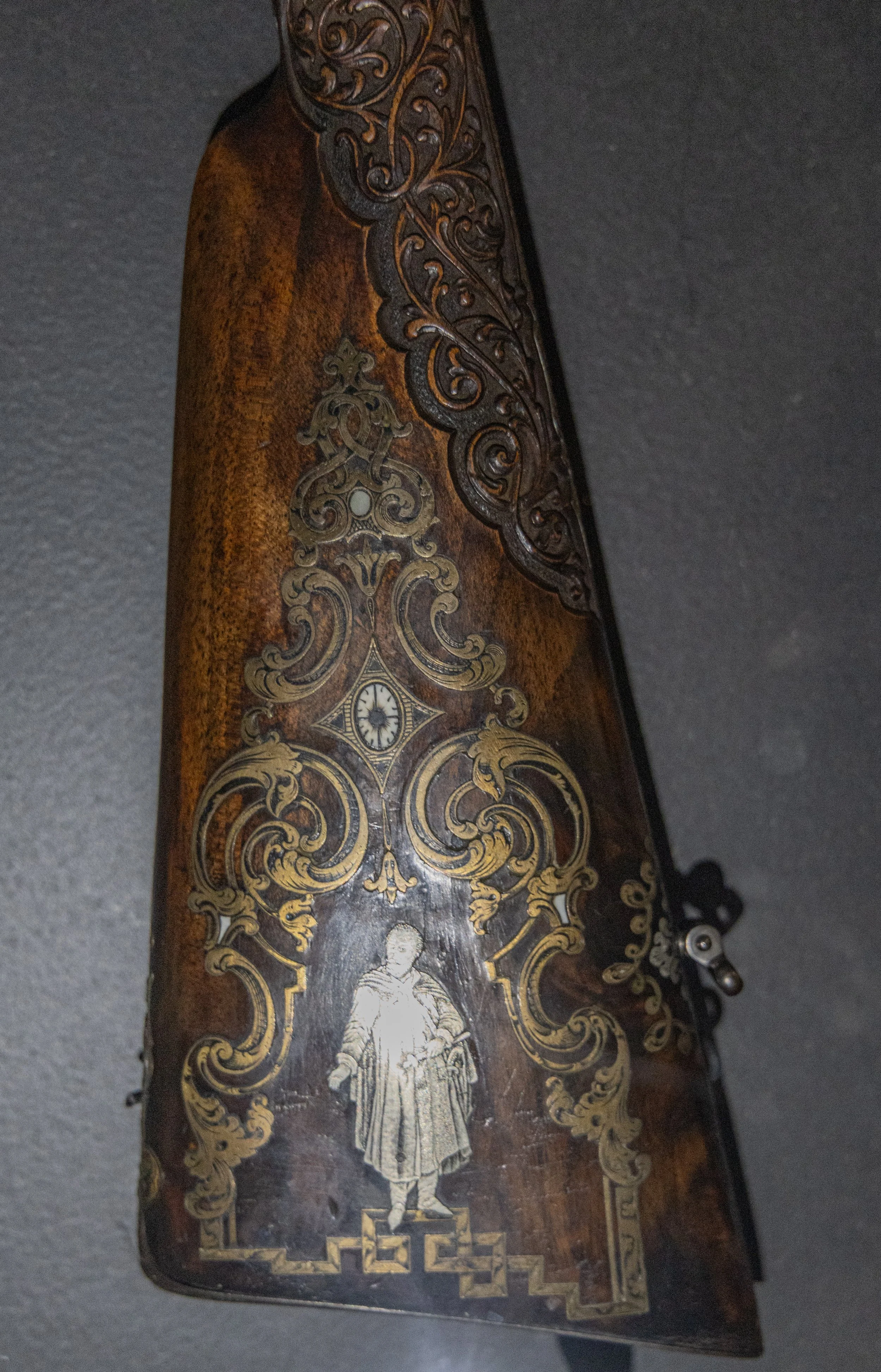
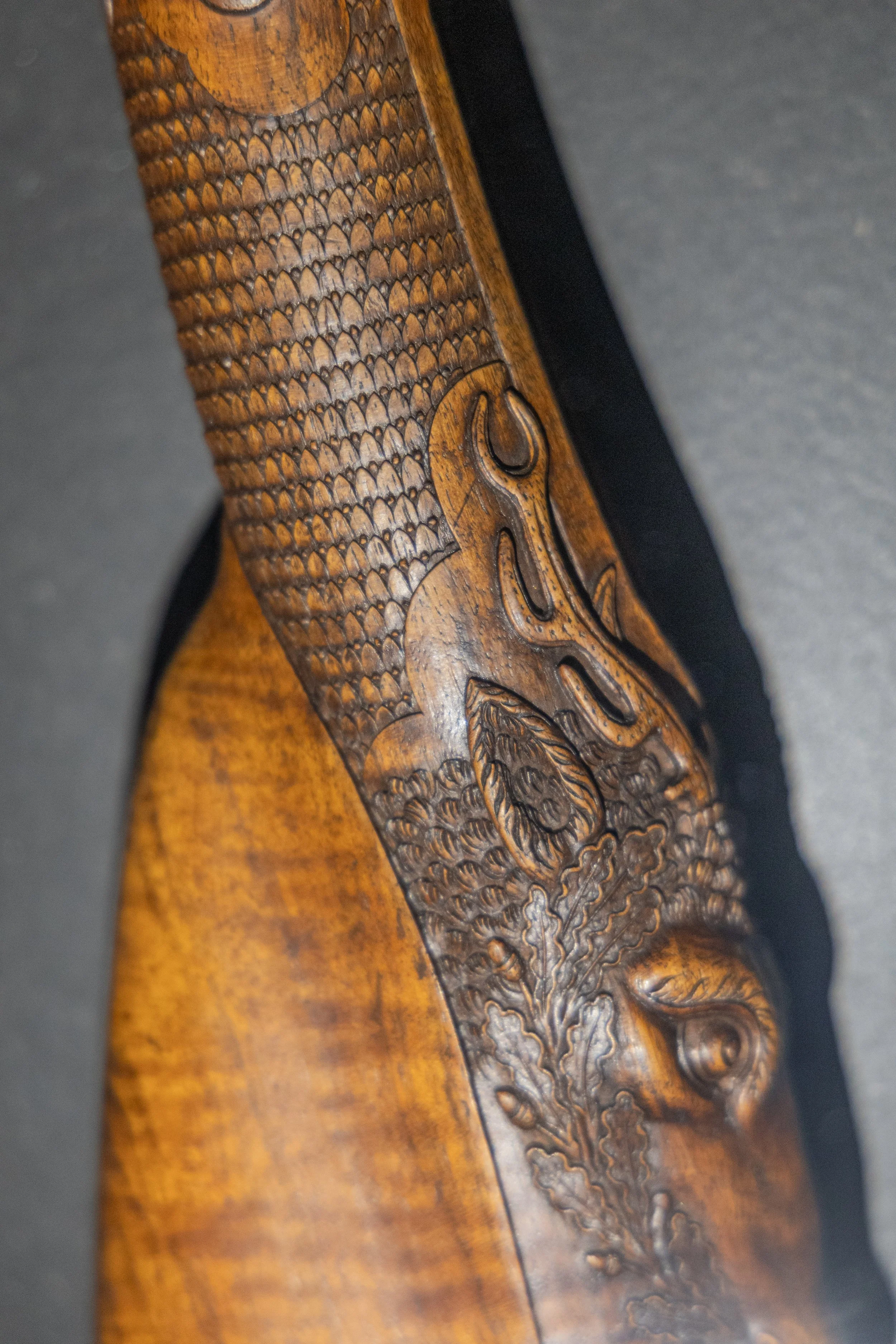
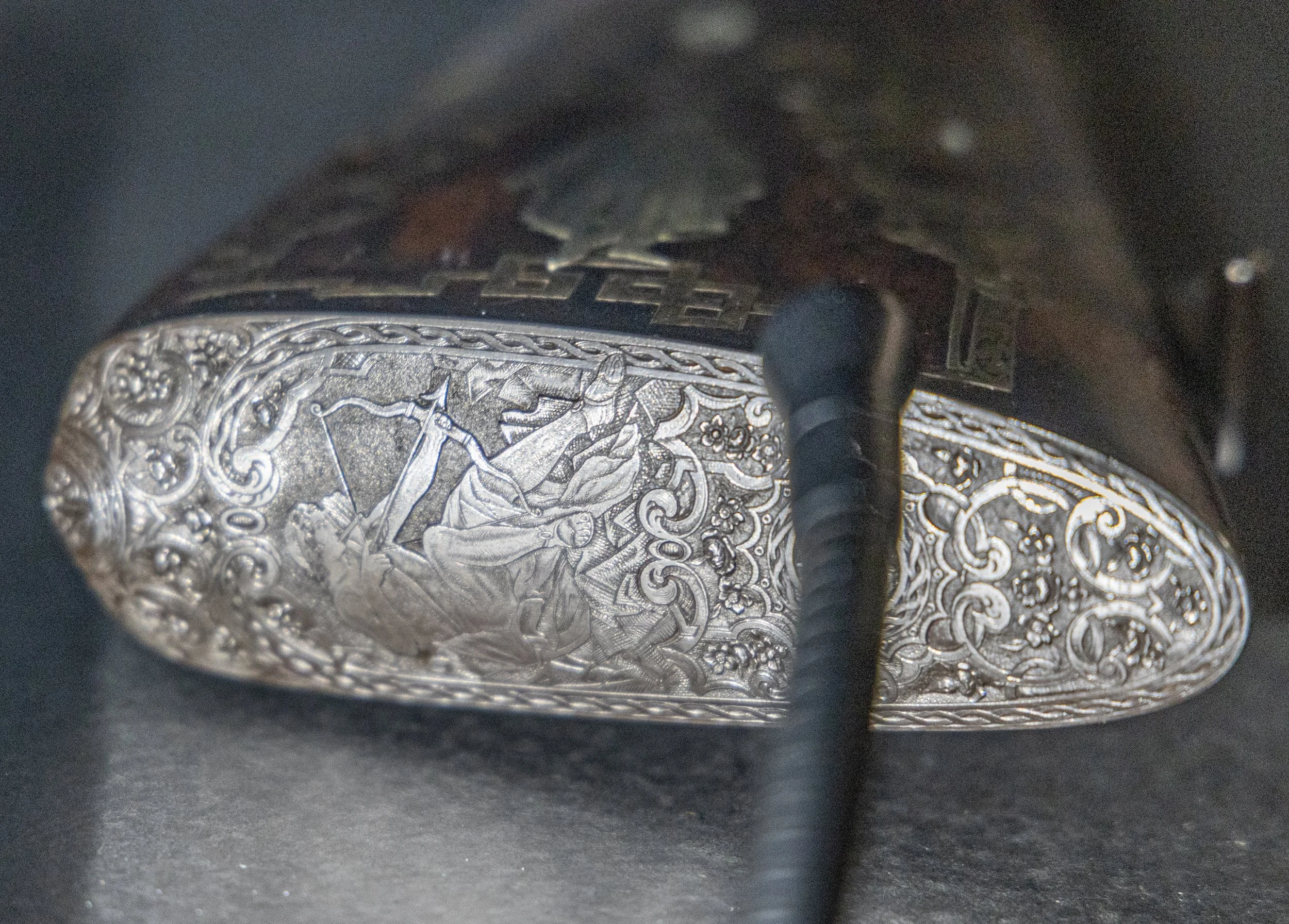
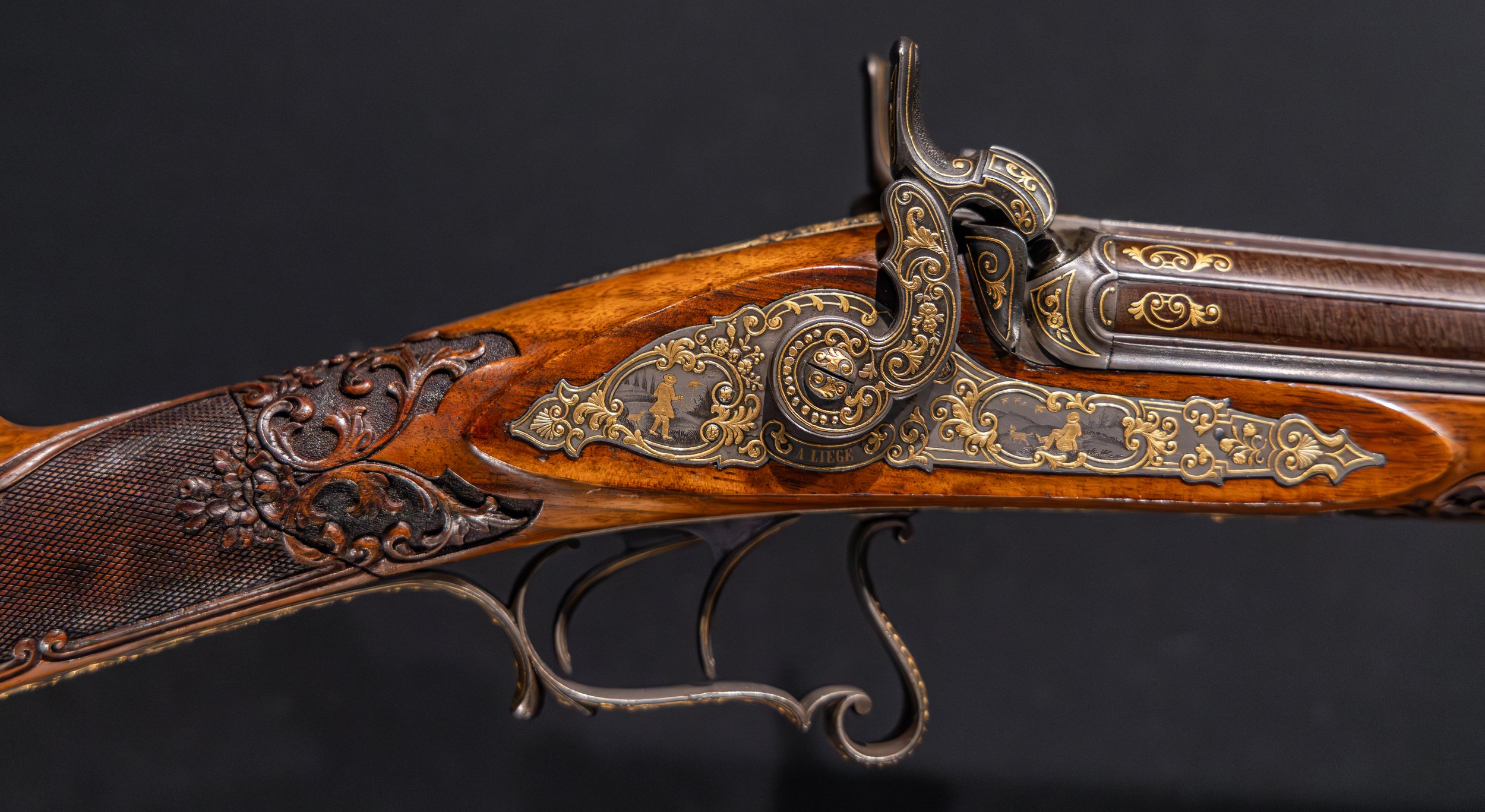
Luckily, the lighting wasn’t all as bad – though often just enough – because on display were some of the most intricately-ornate or otherwise unique firearms I’ve ever laid eyes upon.
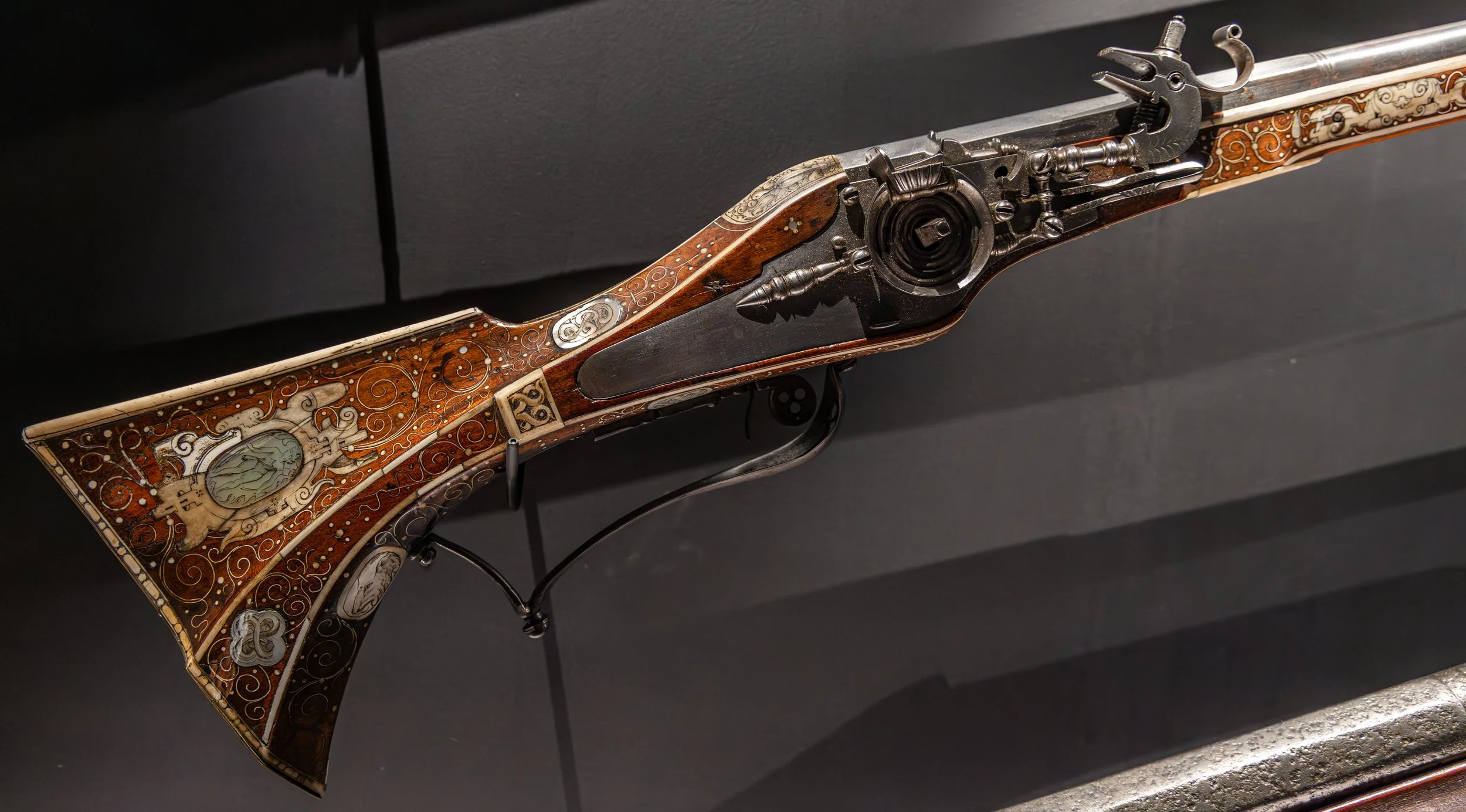
Arrayed around the first floor was what they termed ‘Civilian Arms.’ Starting at the arquebus and working forward in time through wheellocks and flintlocks, into percussion and on to cartridges was a vast and varied array of hunting, sporting and dueling firearms. Shotguns, rifles and pistols, many originating right there in Liège and an incredible number displaying some of the finest artistry I’d ever seen applied in ornamenting a firearm.
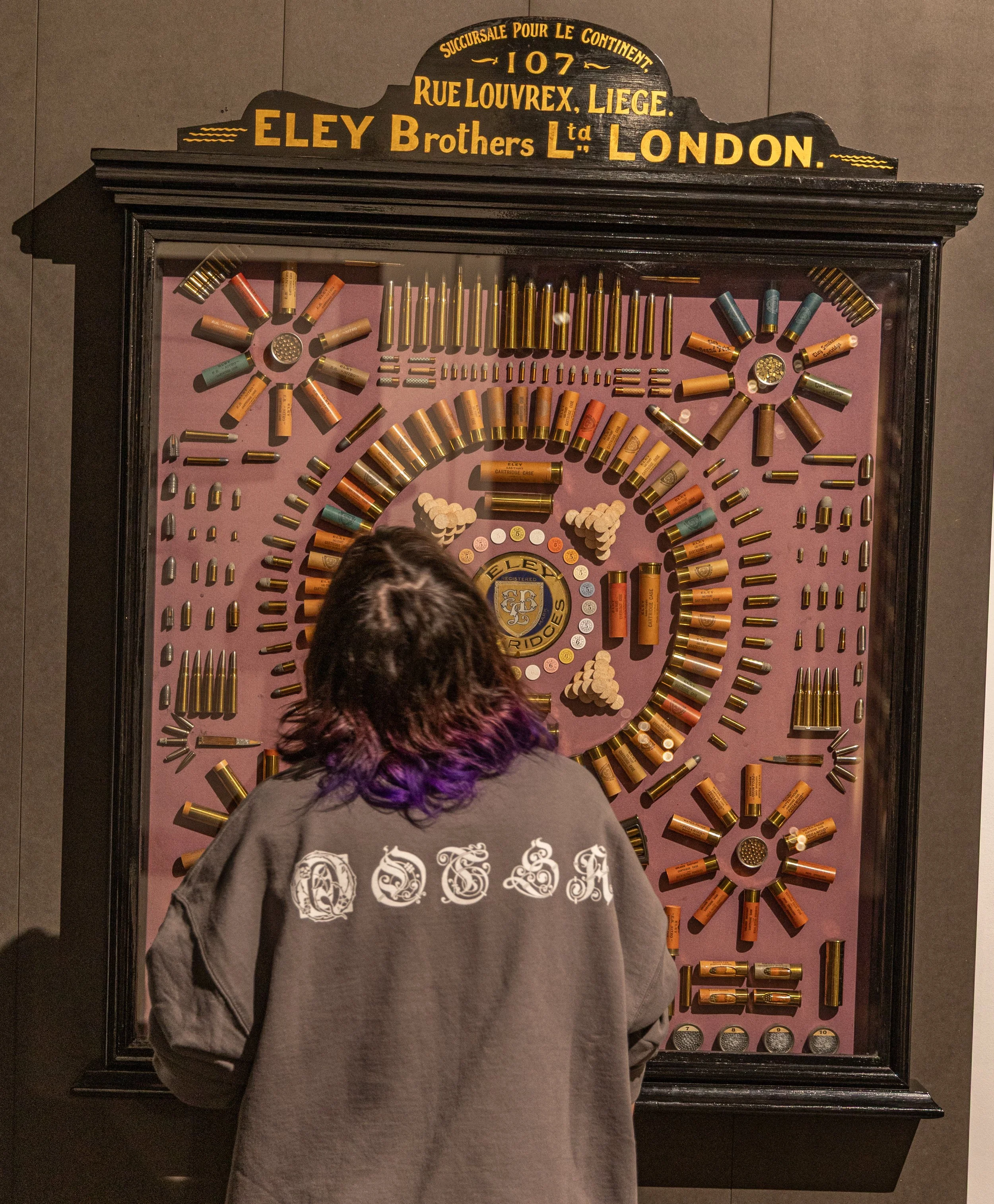
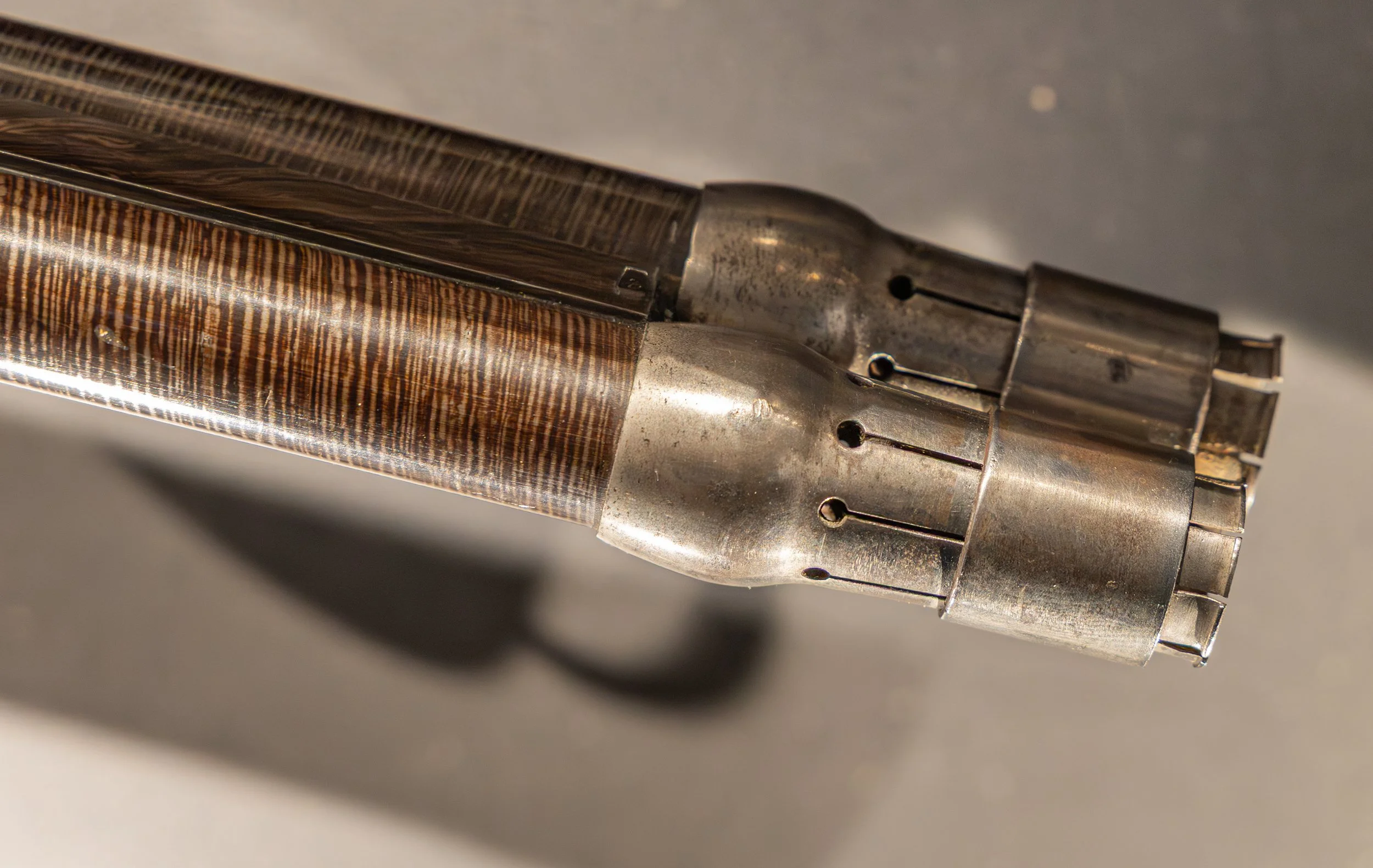
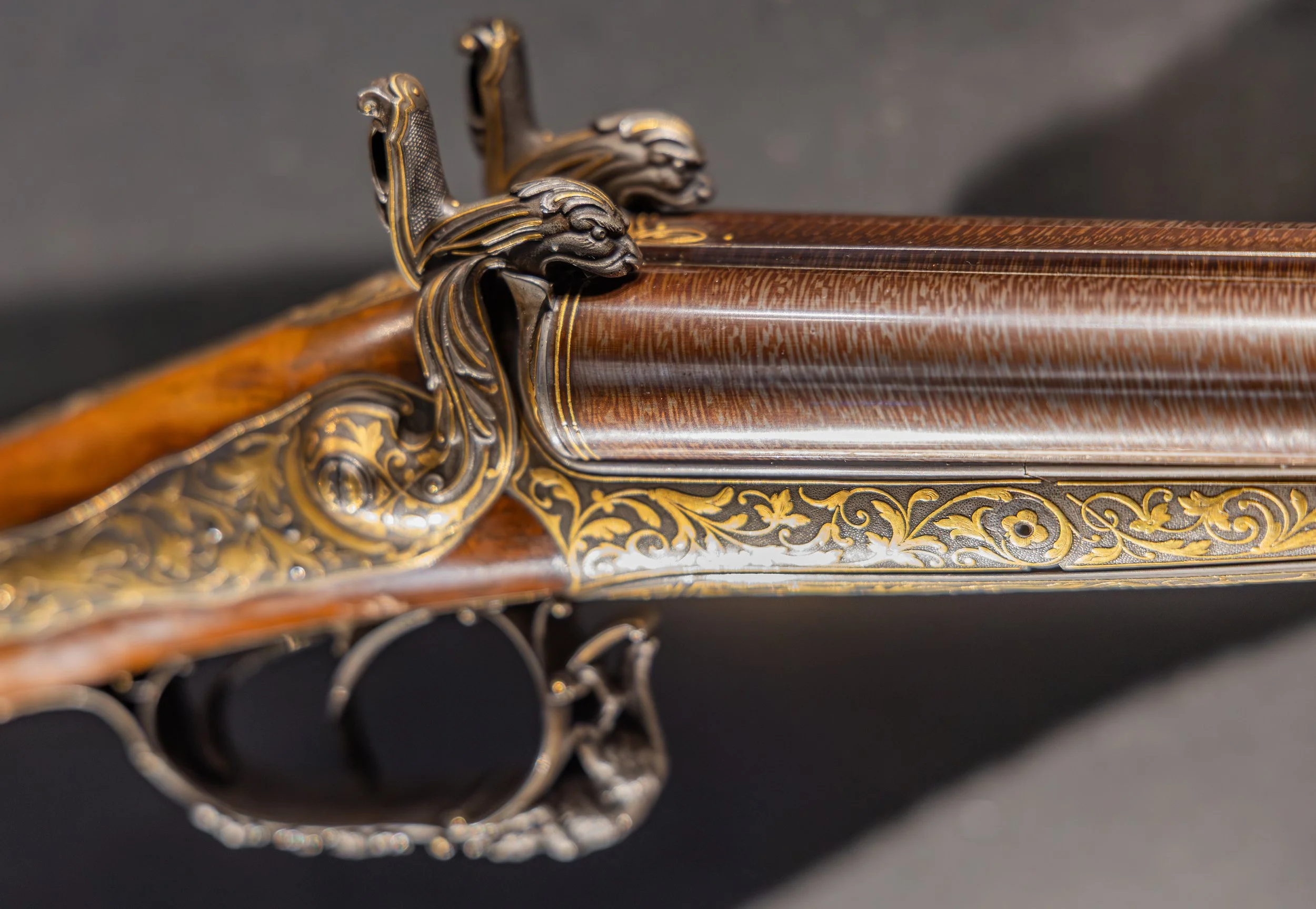
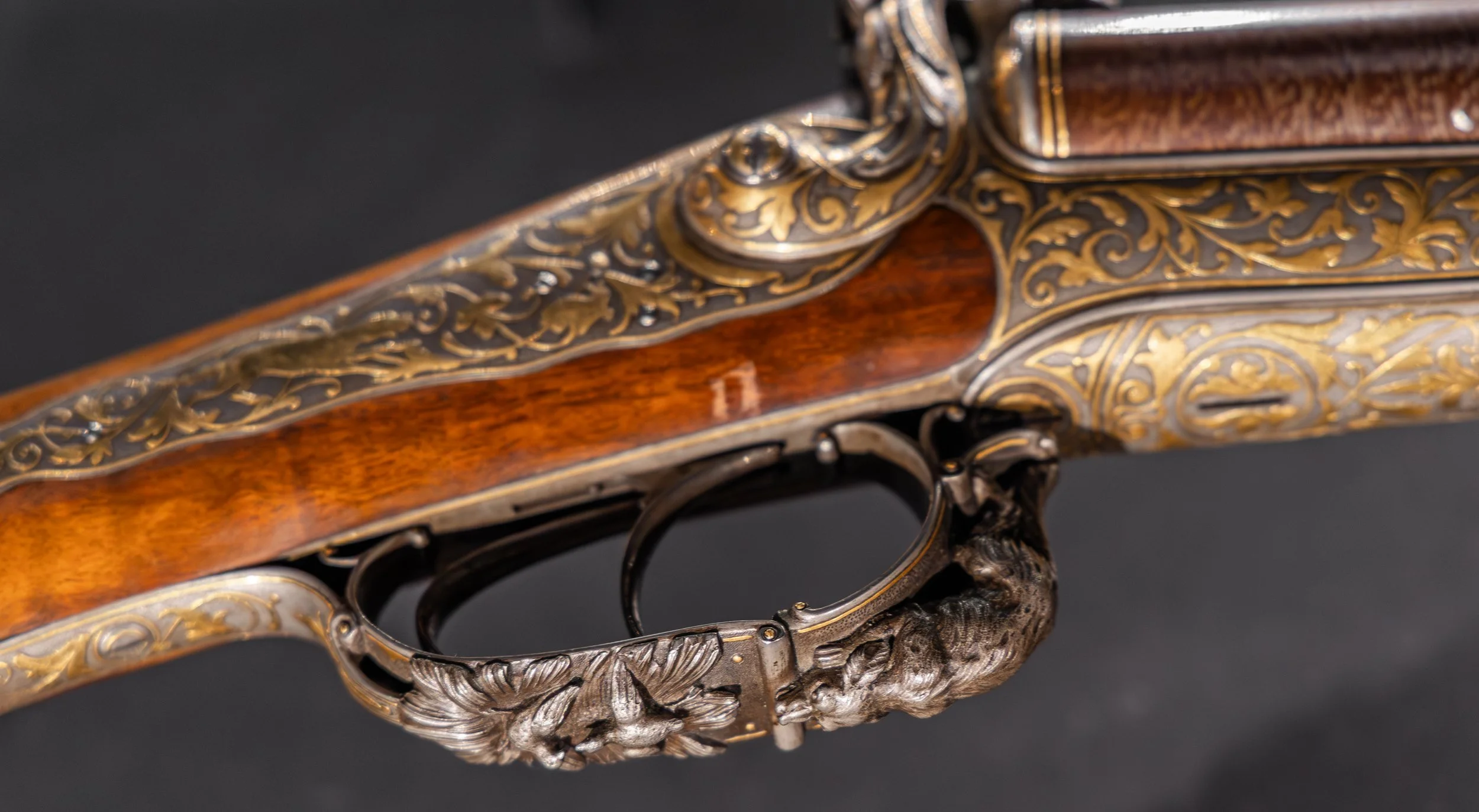
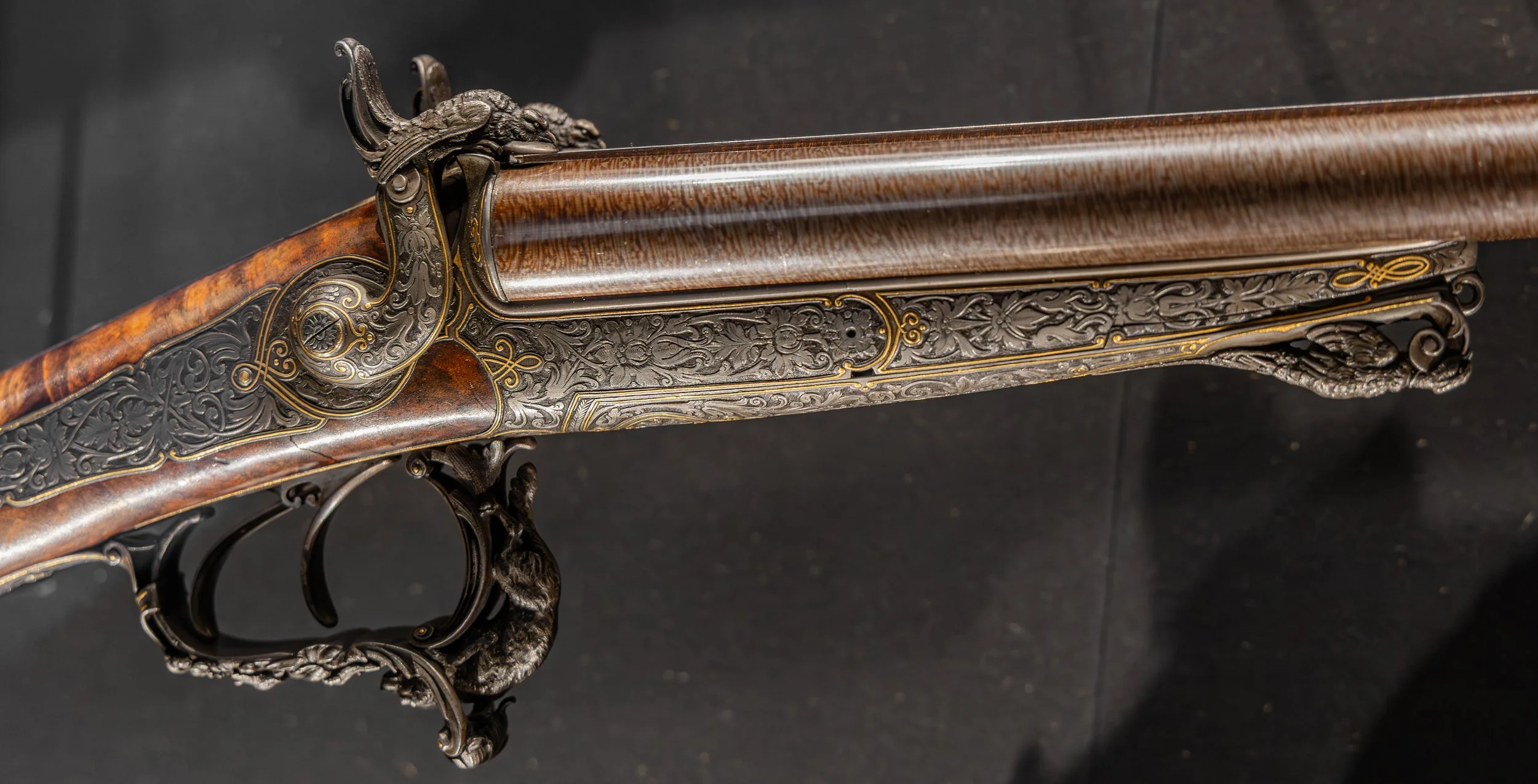
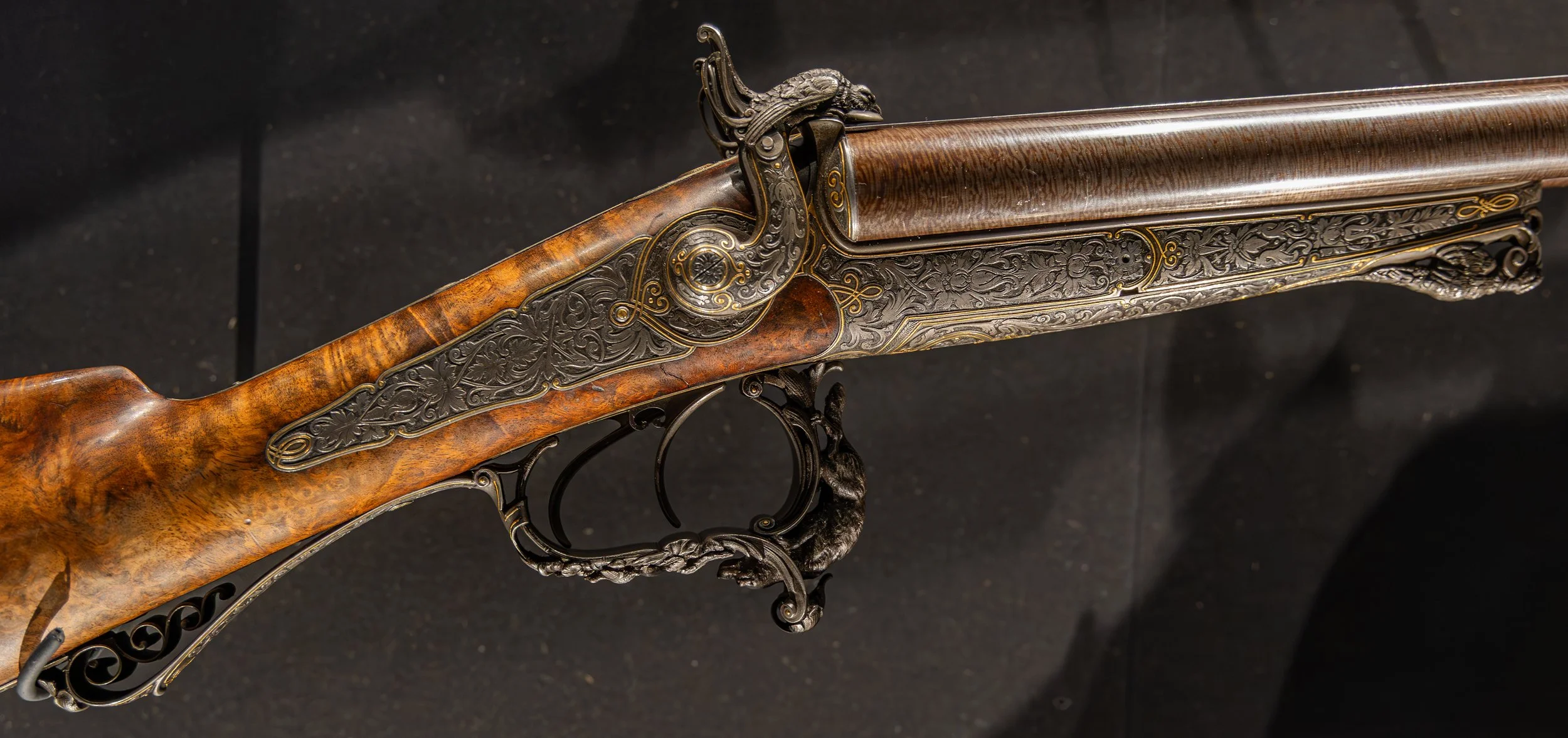
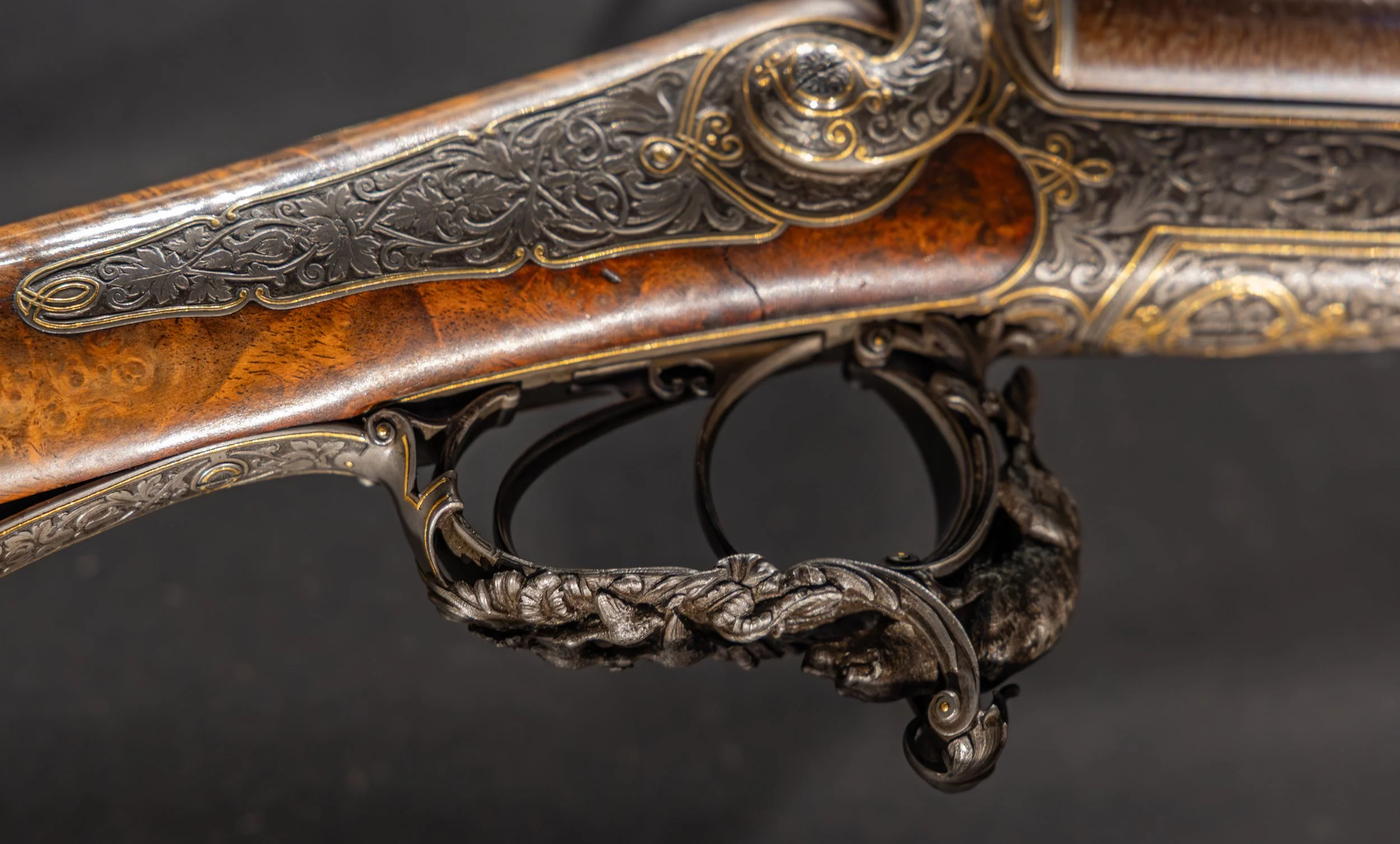
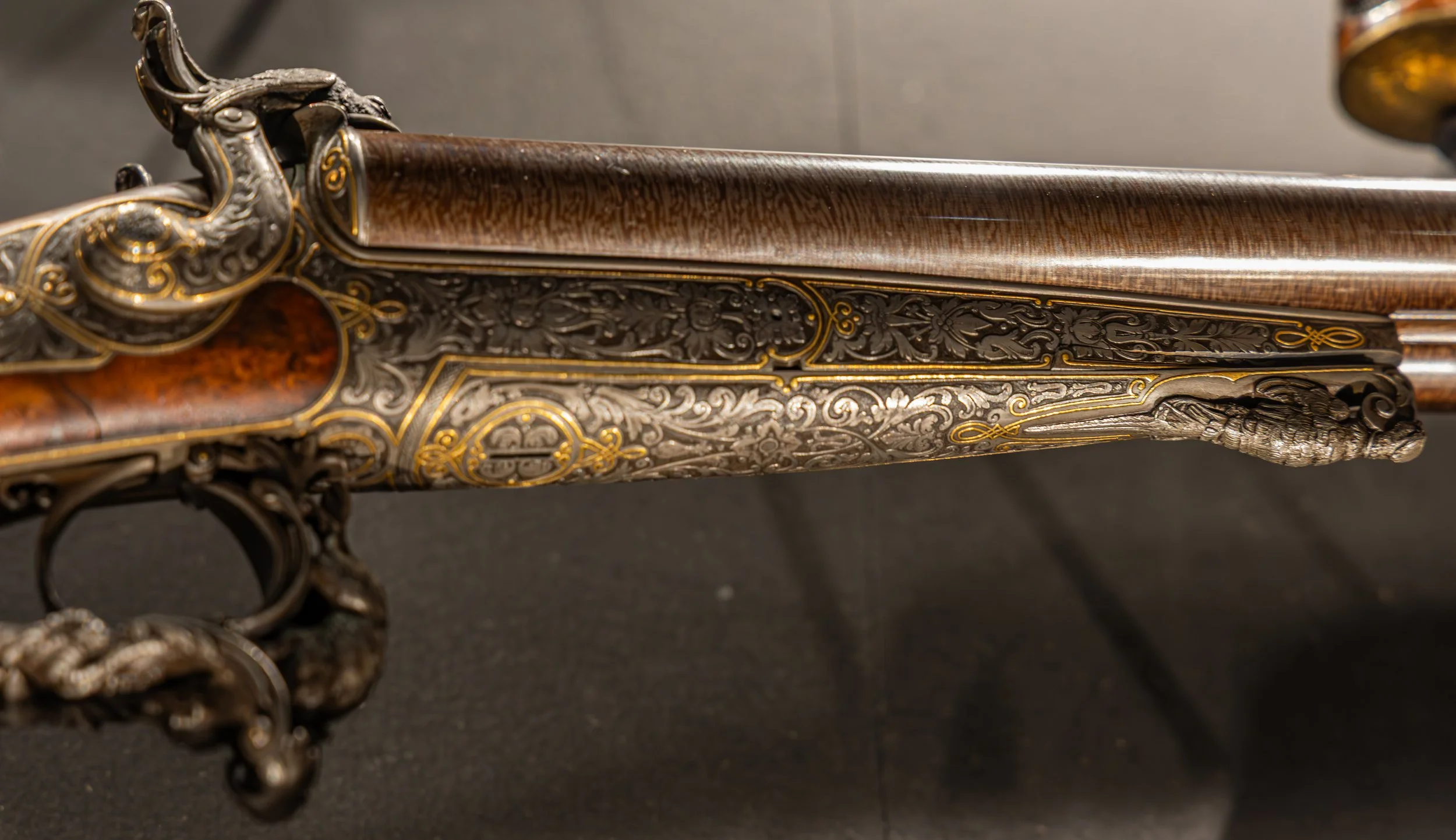
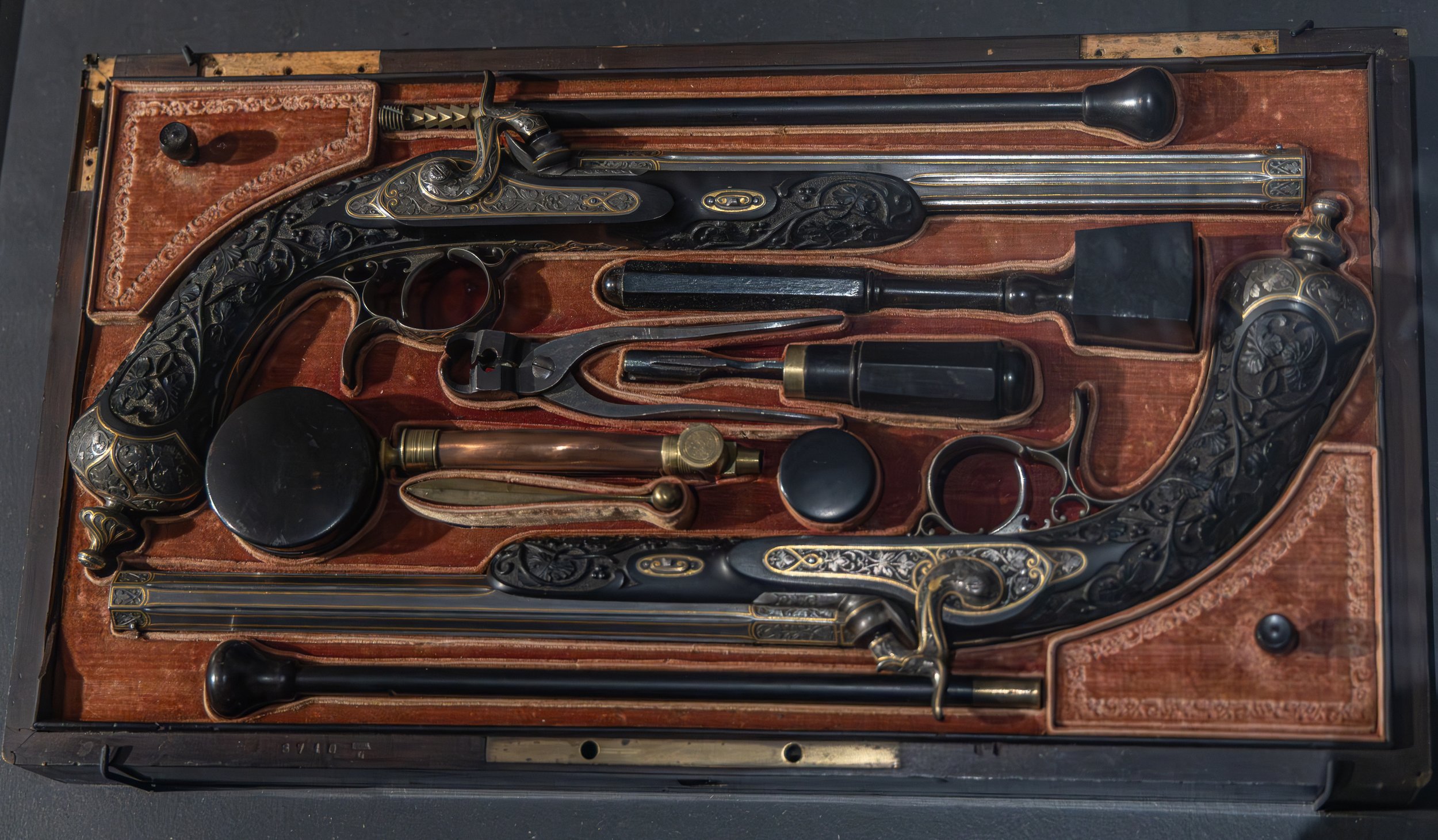
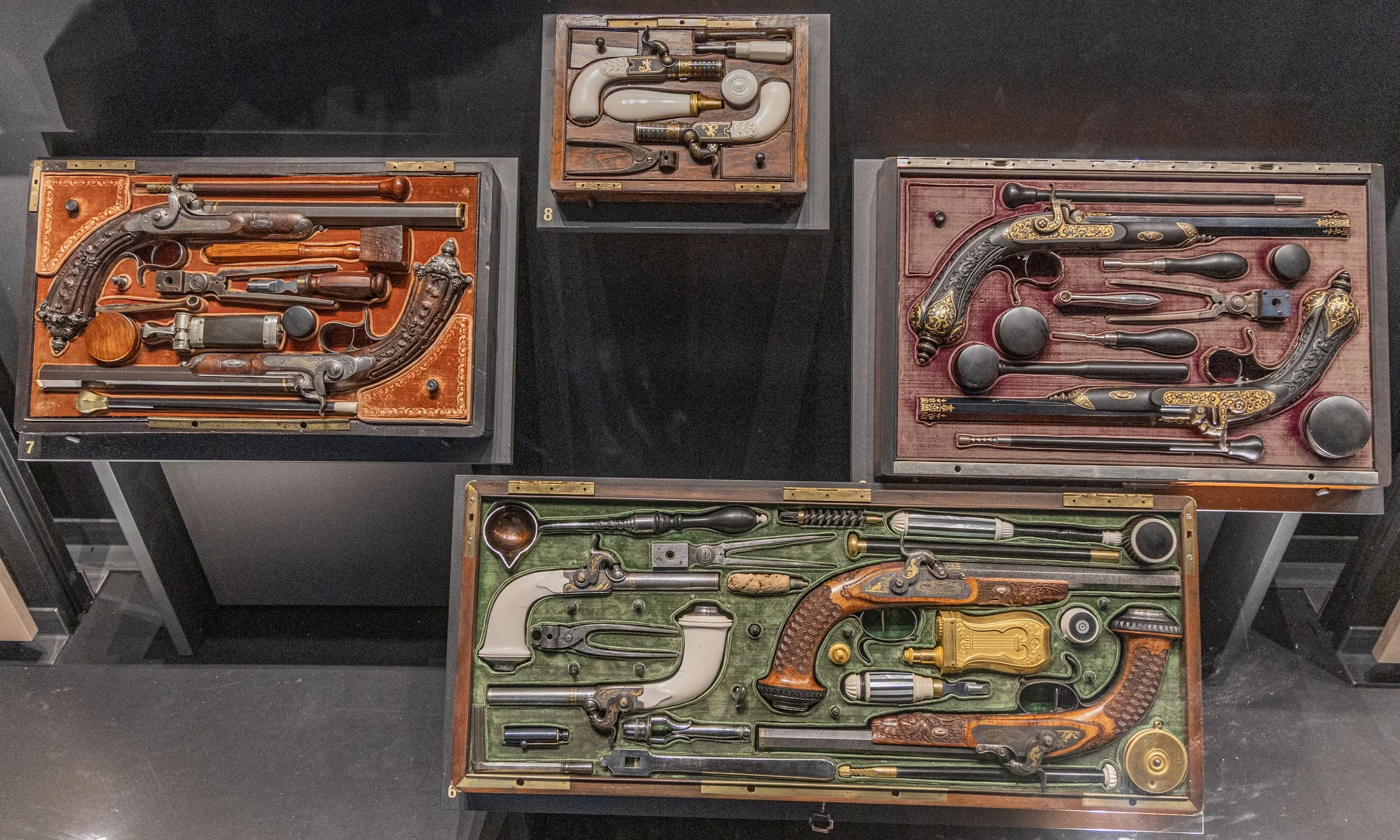
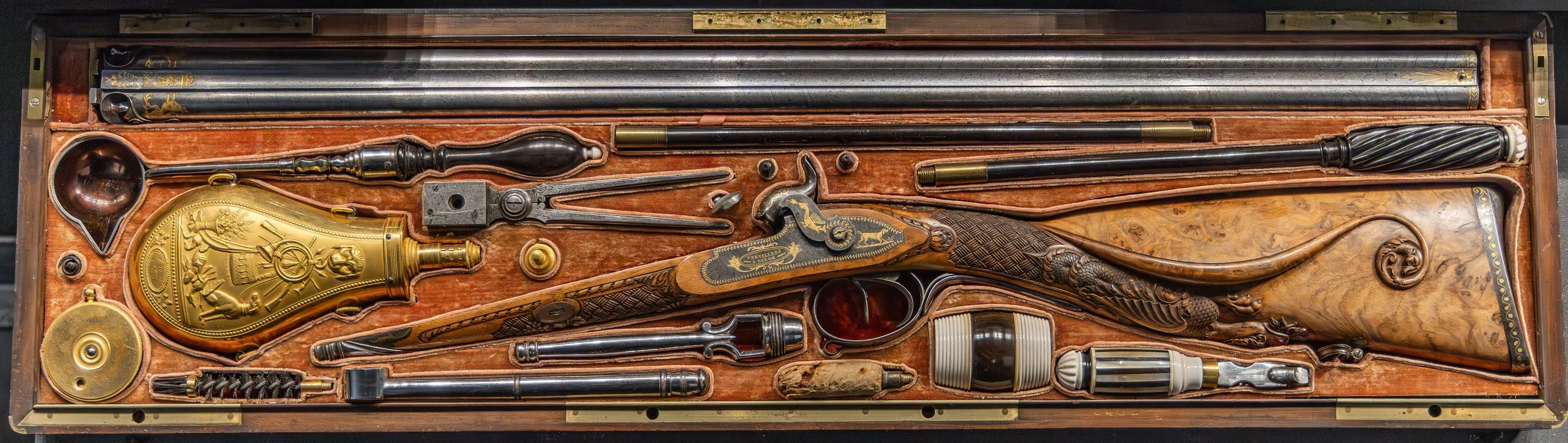
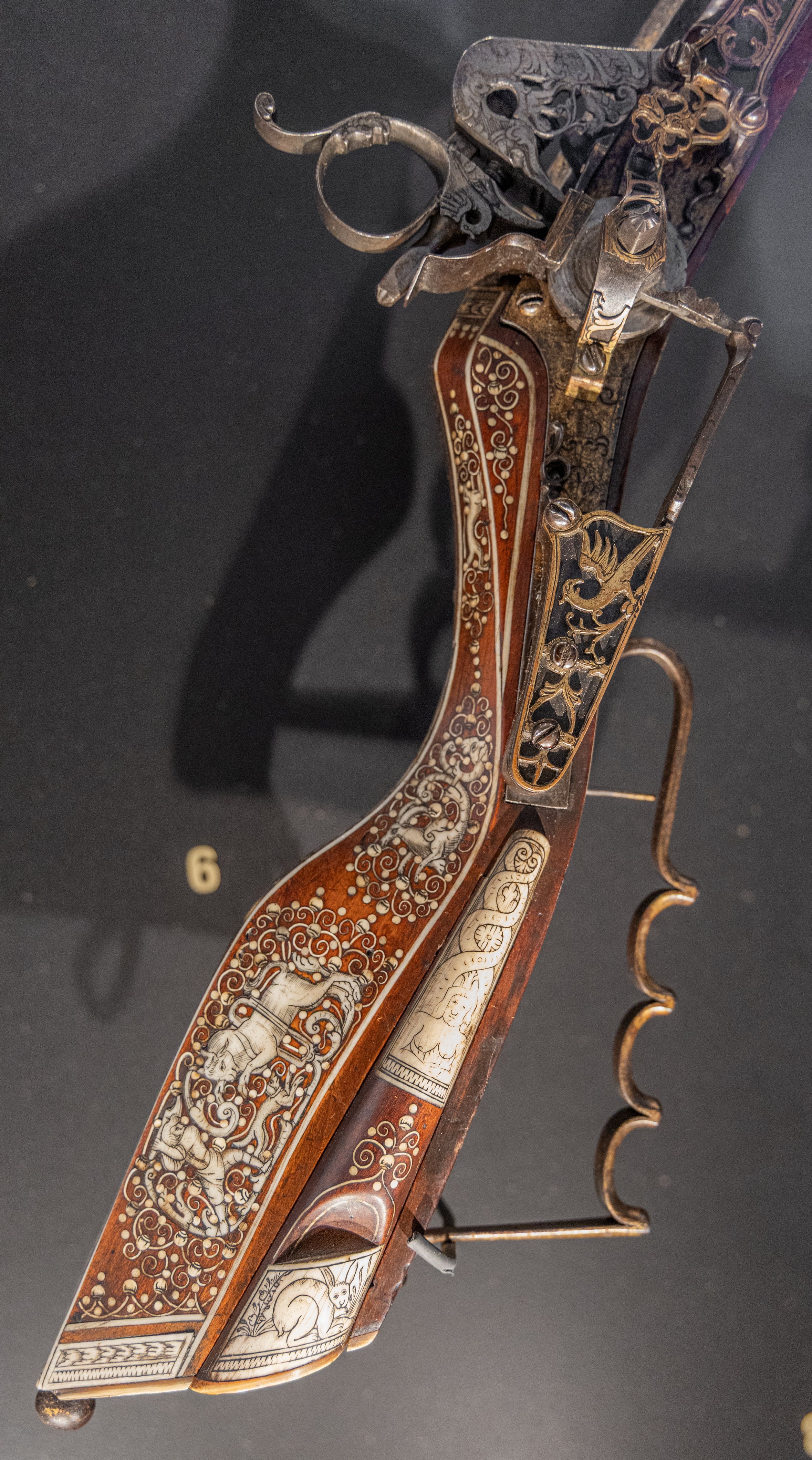
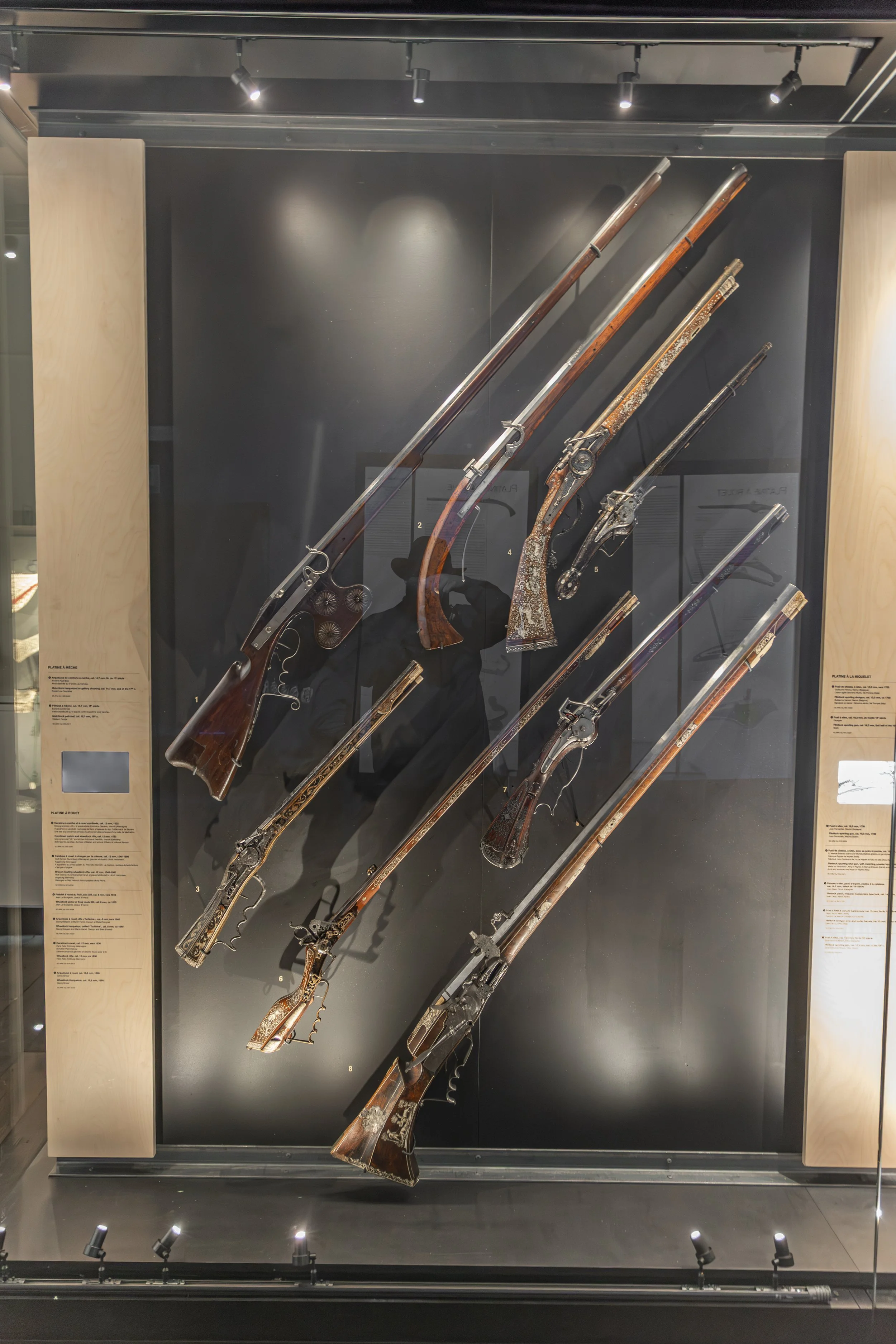
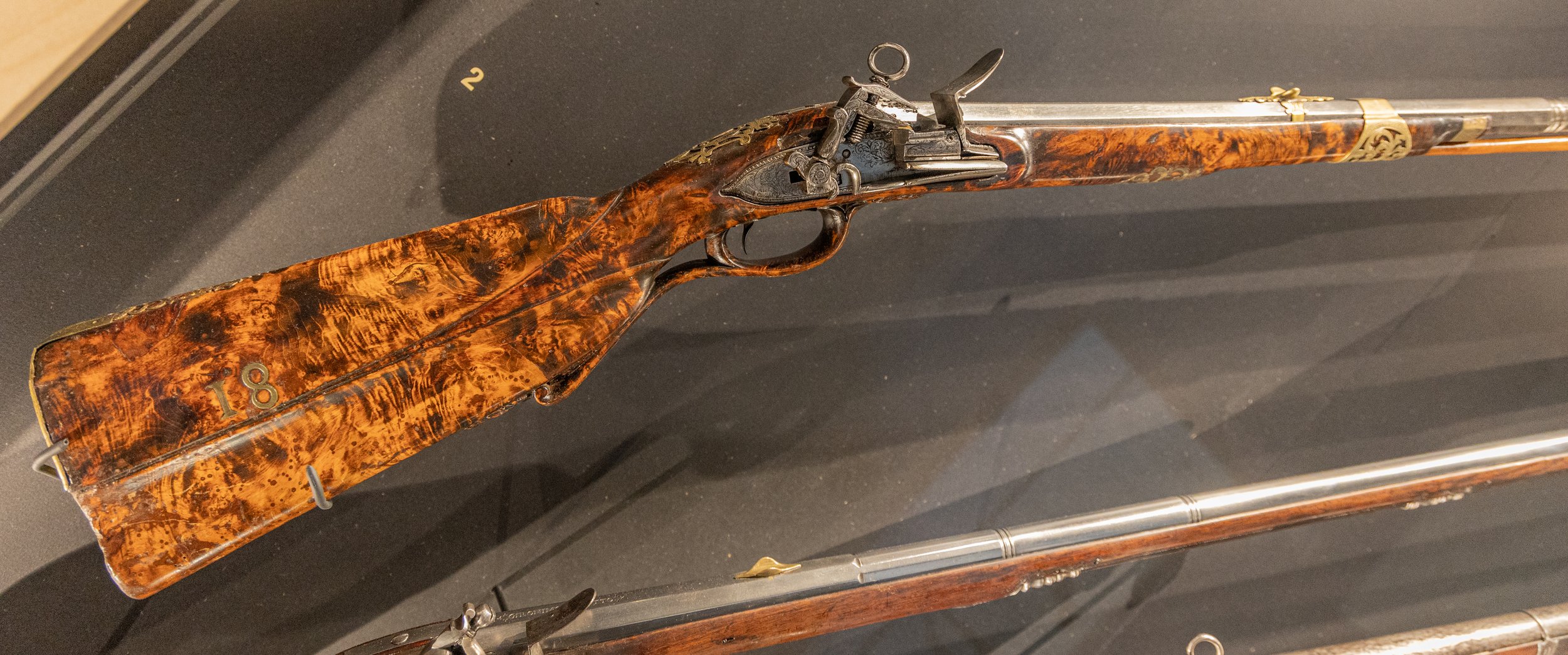
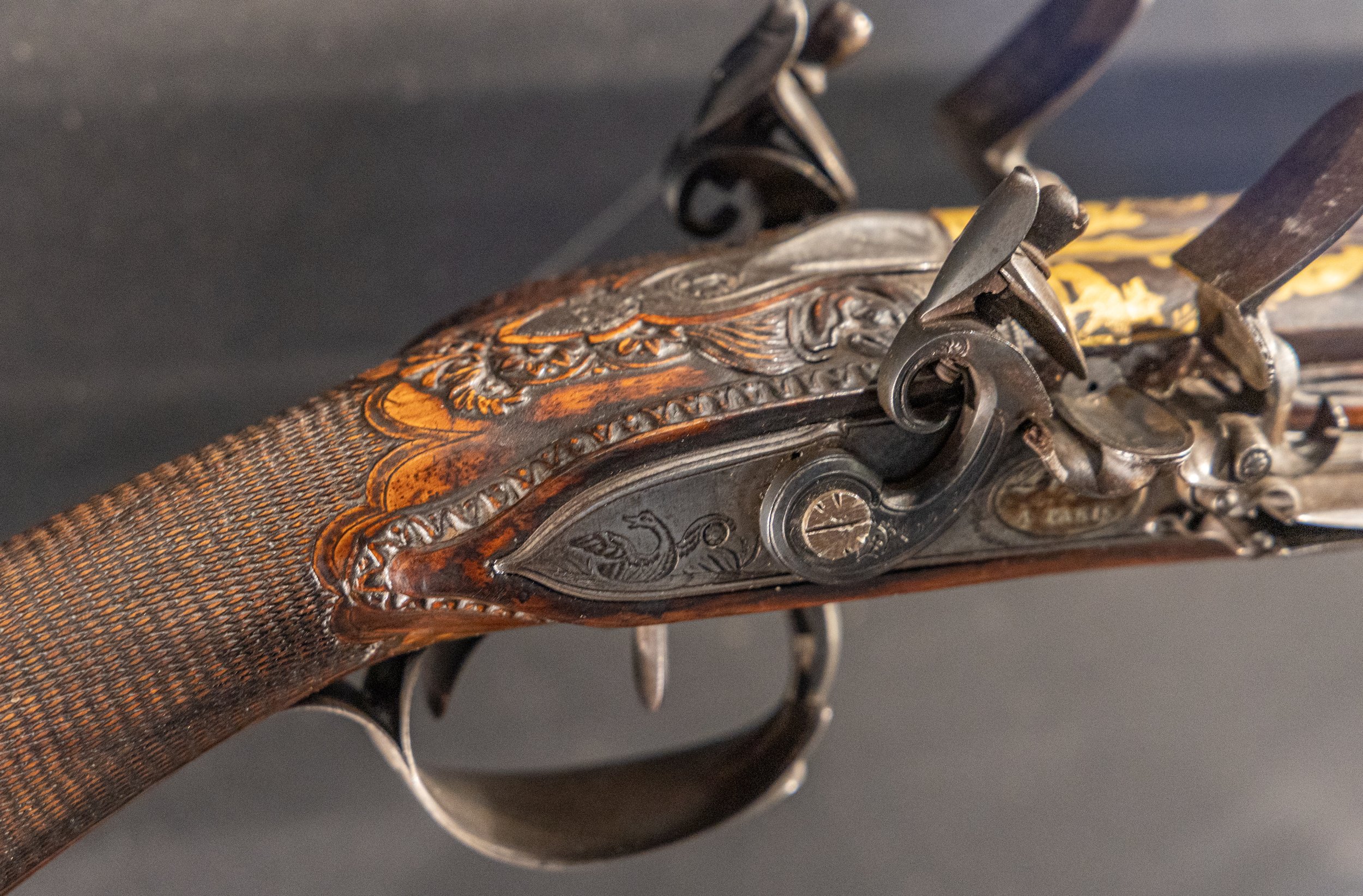
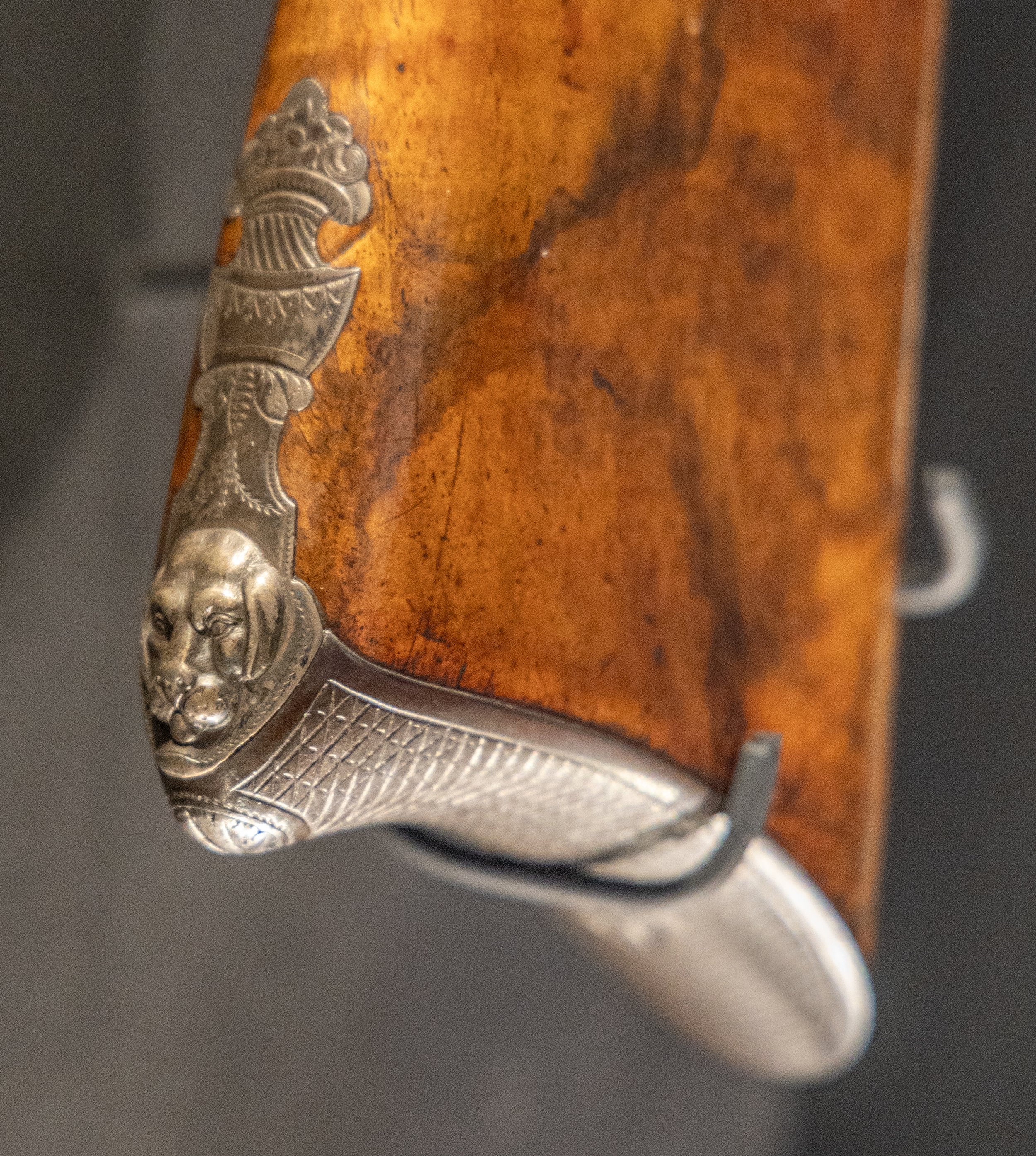
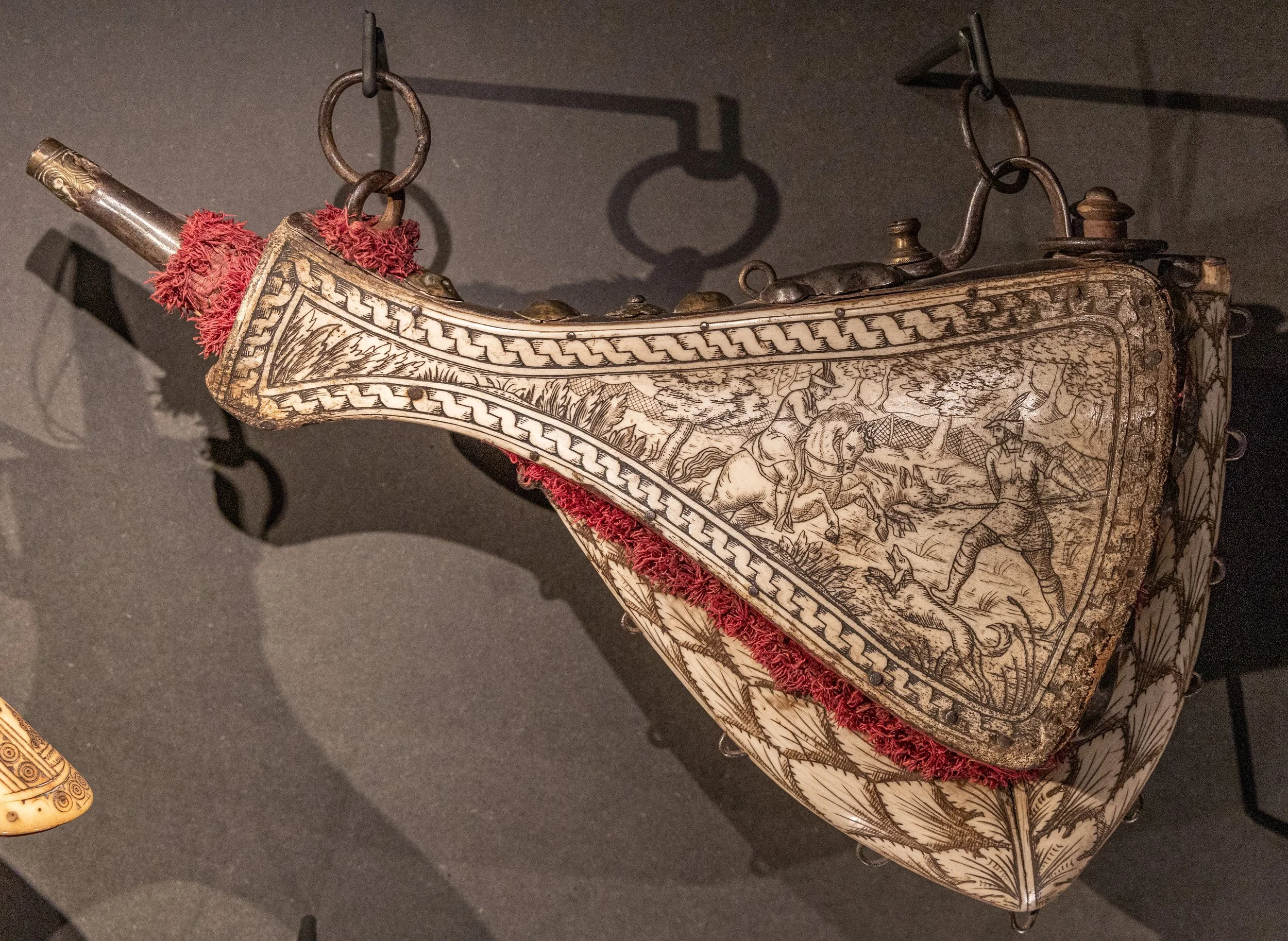
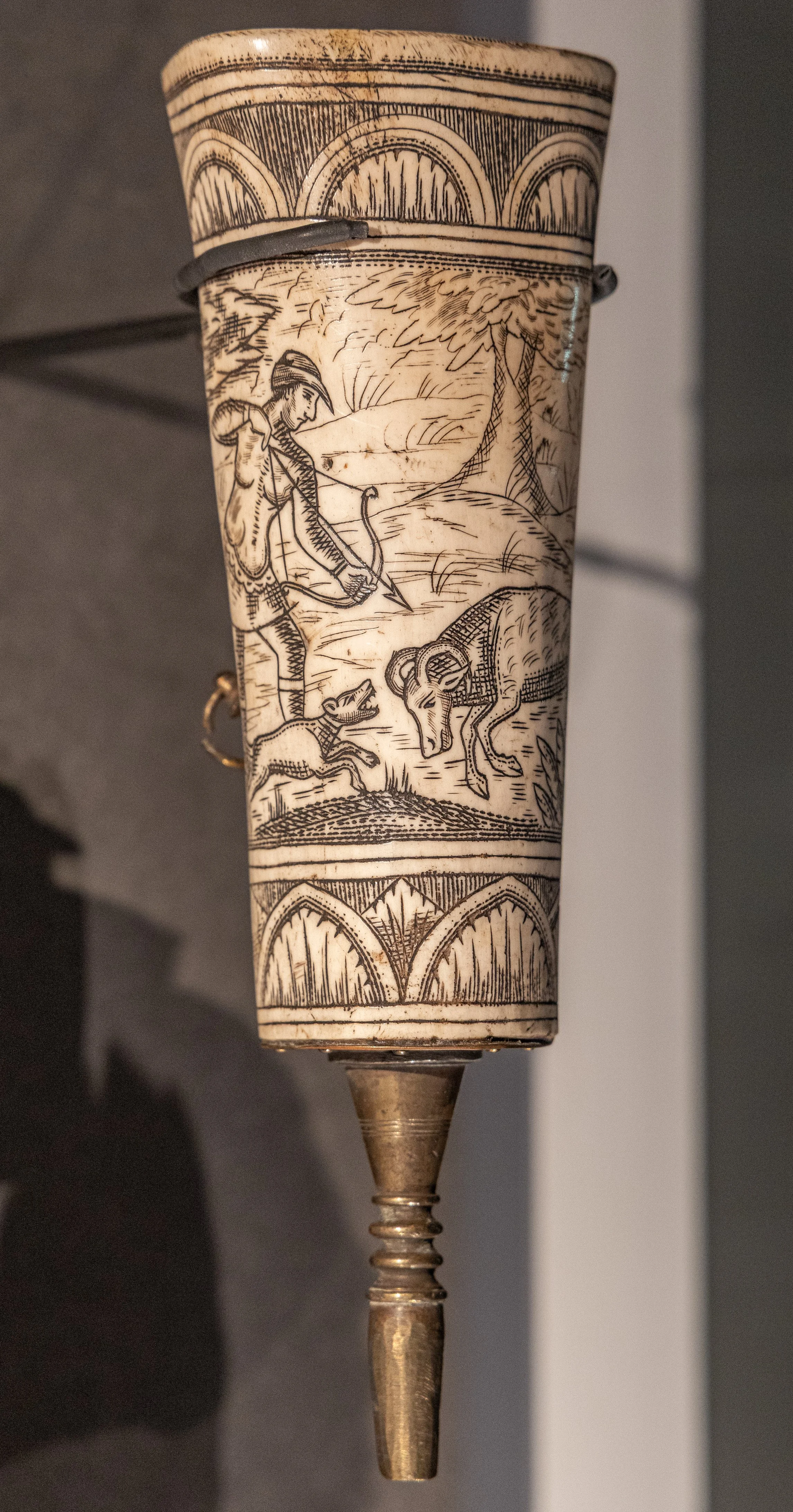
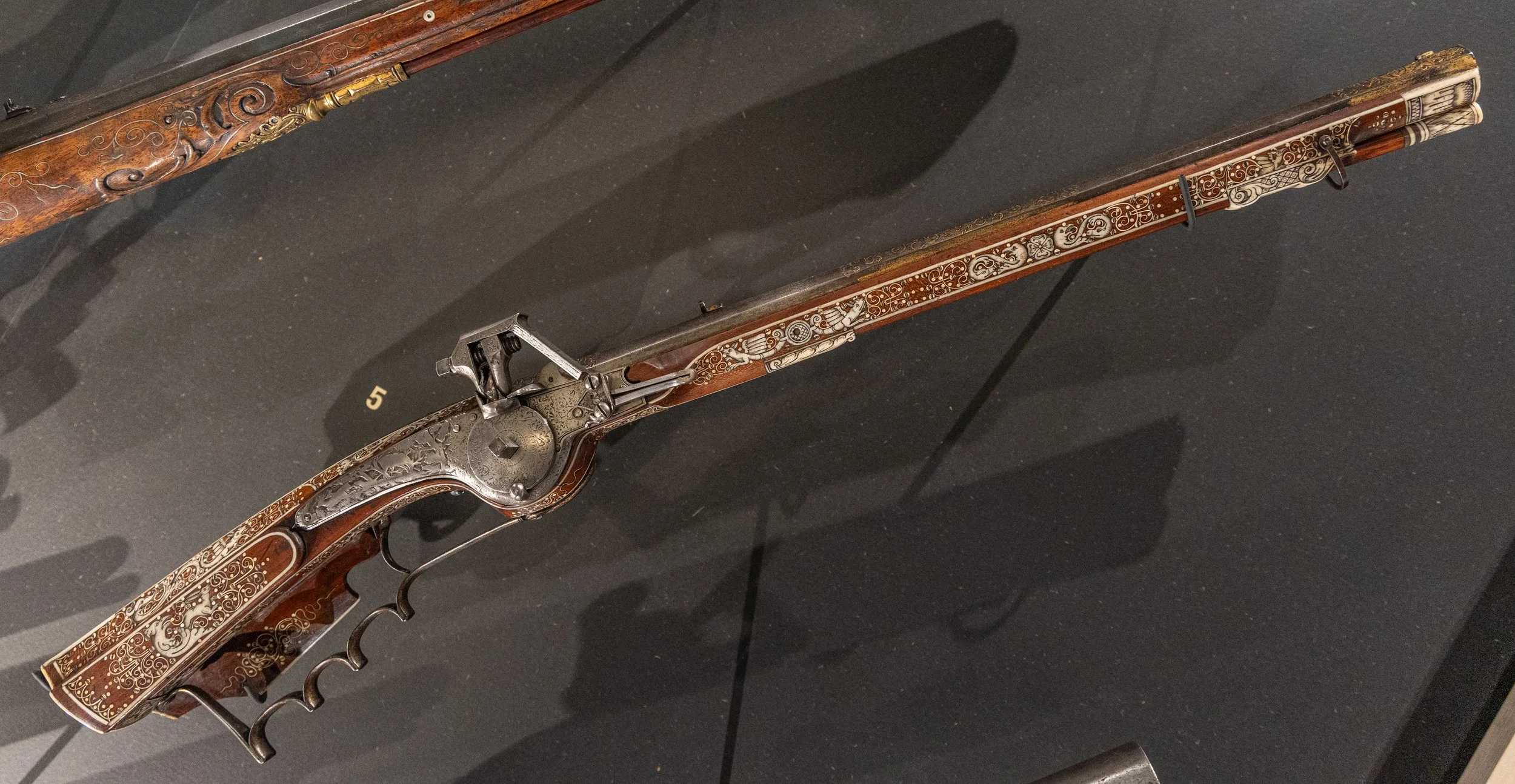
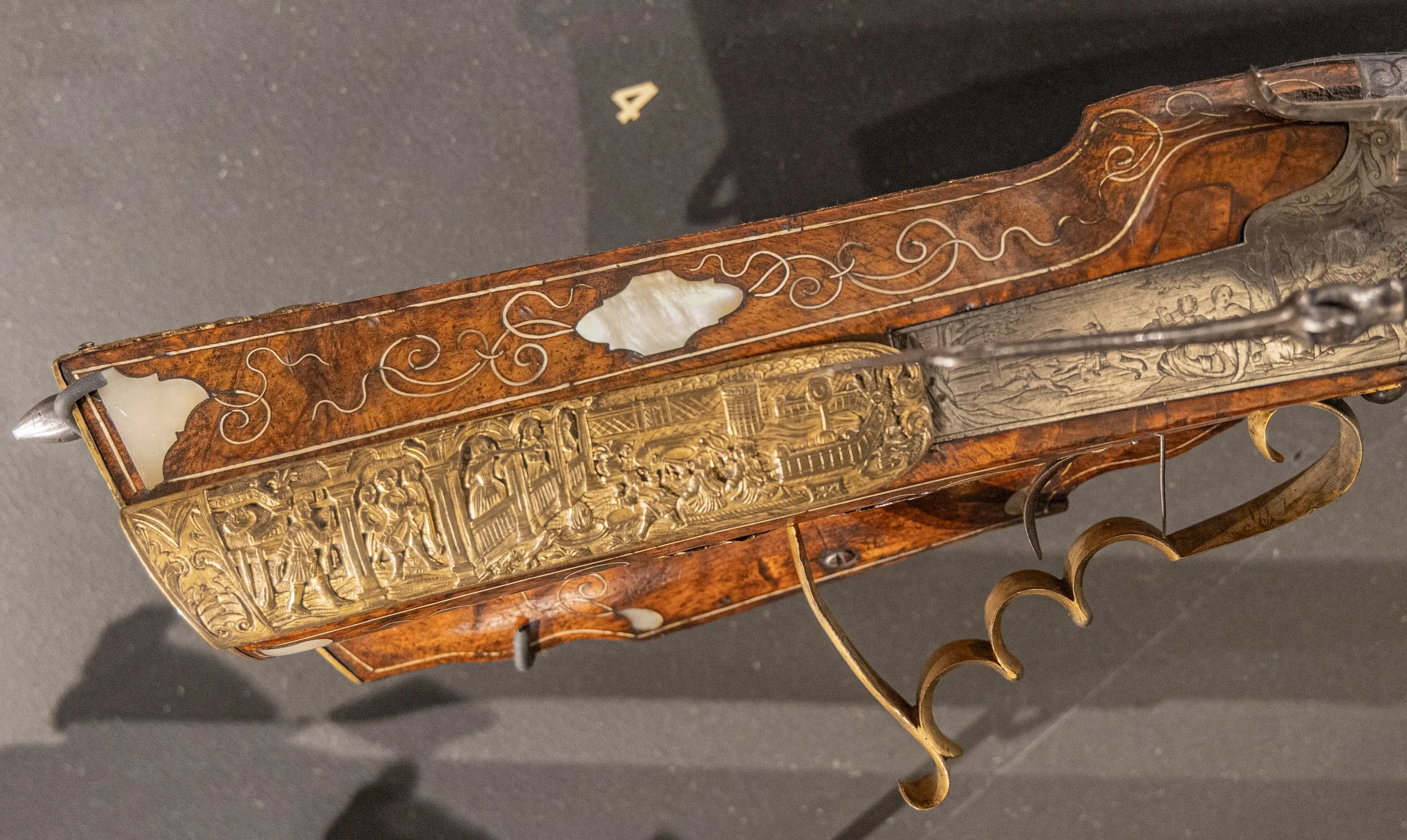
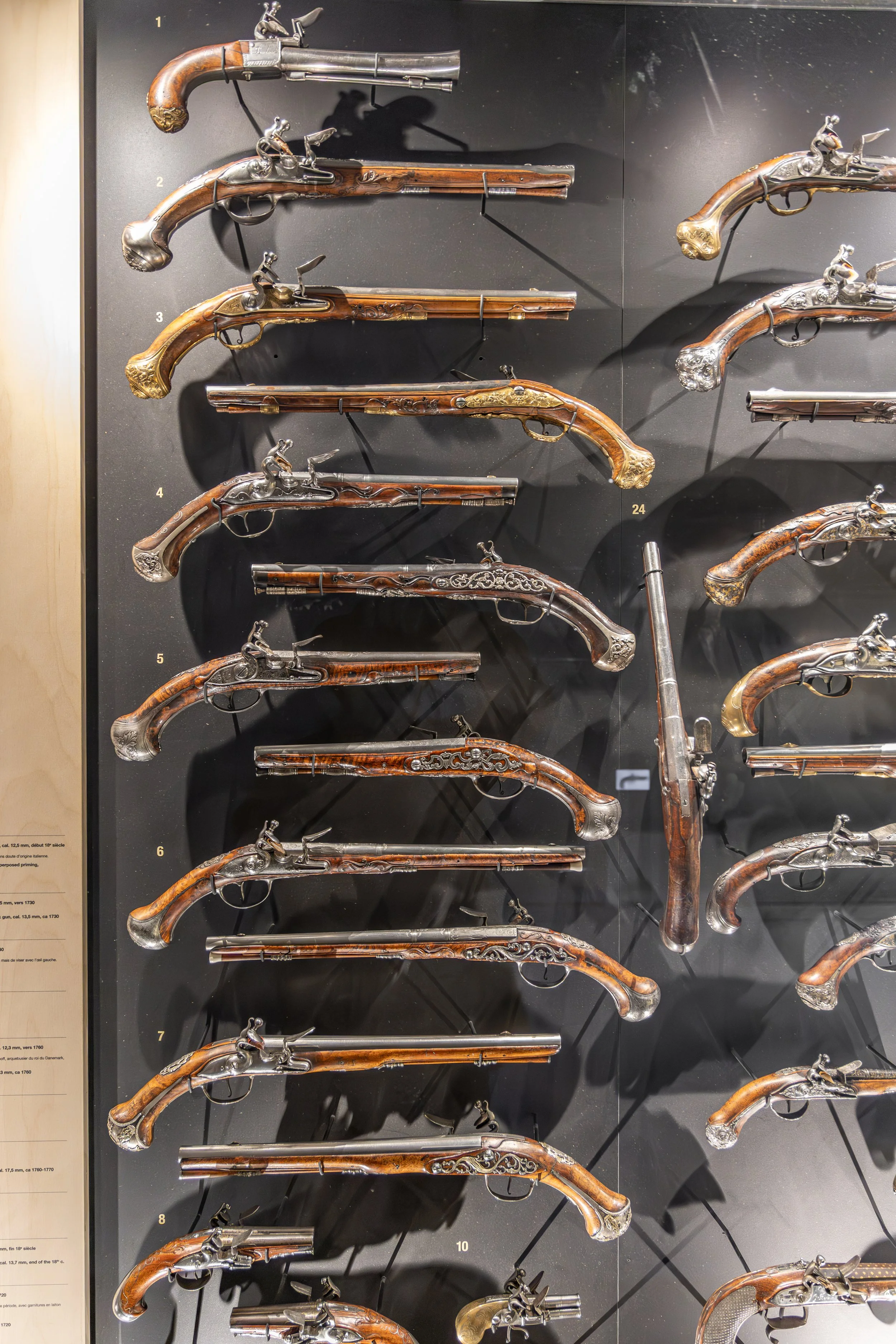
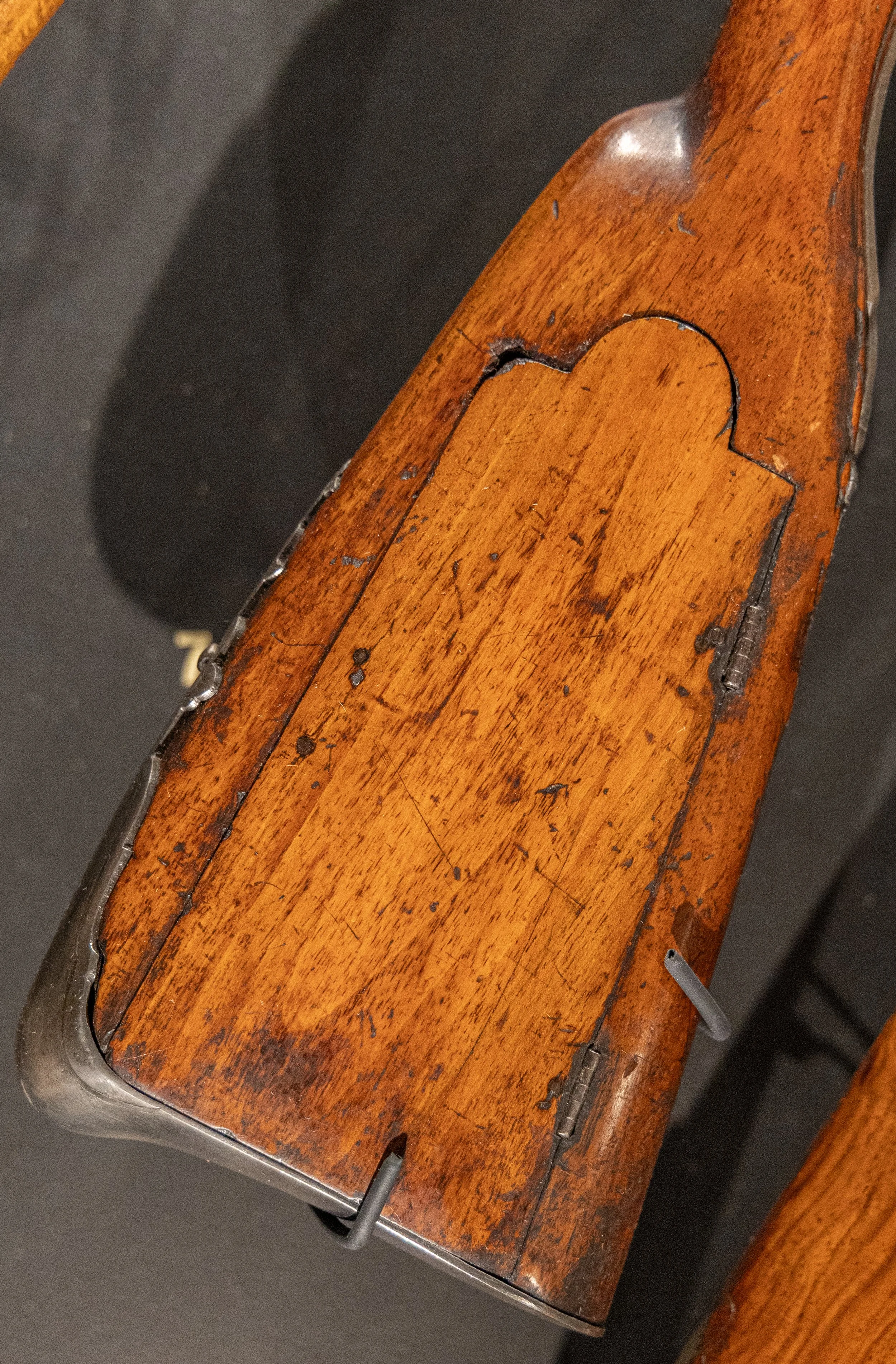
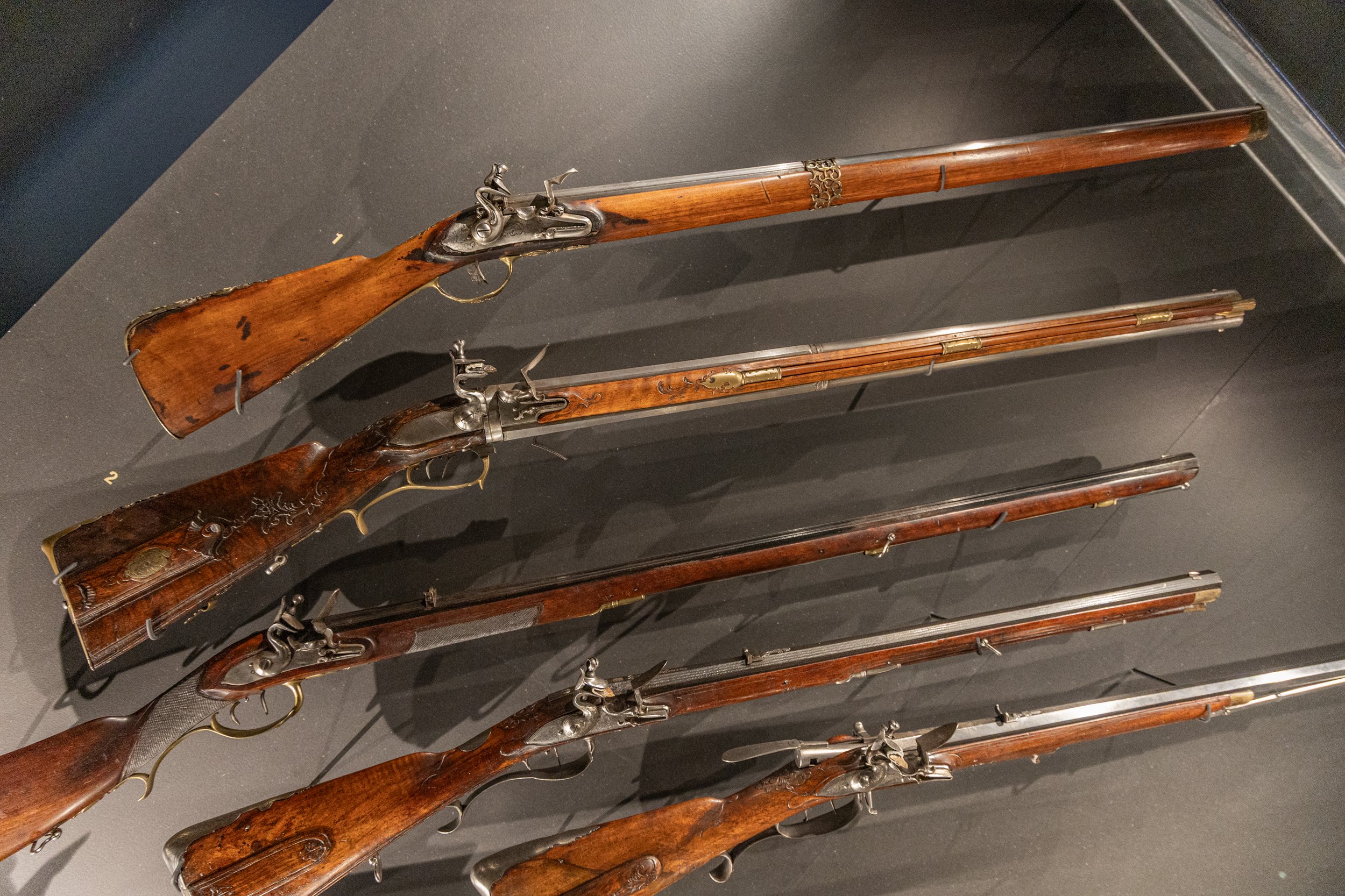
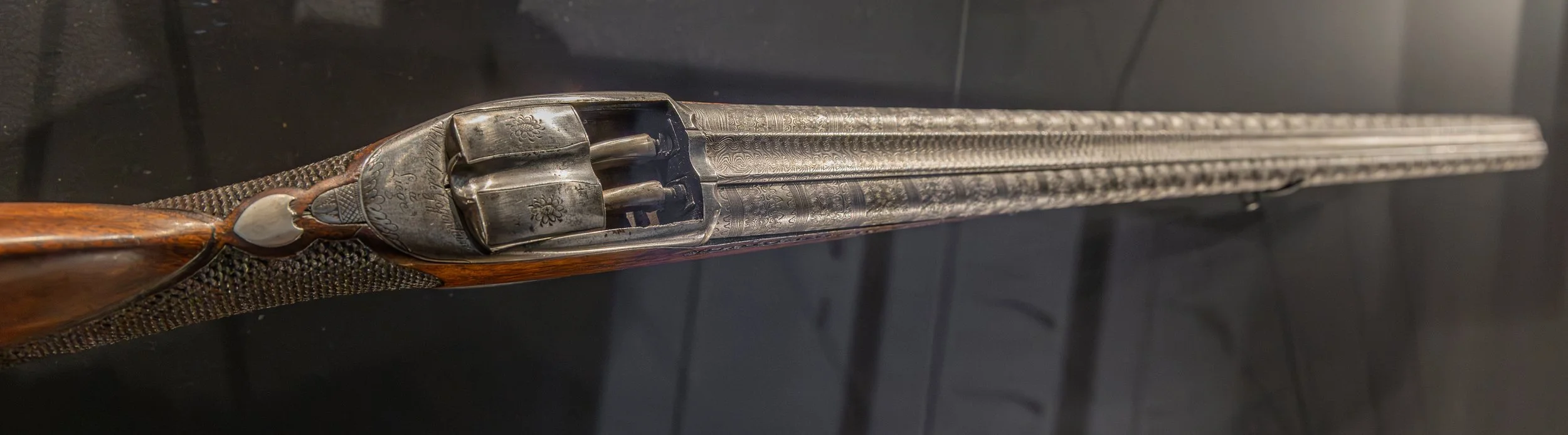
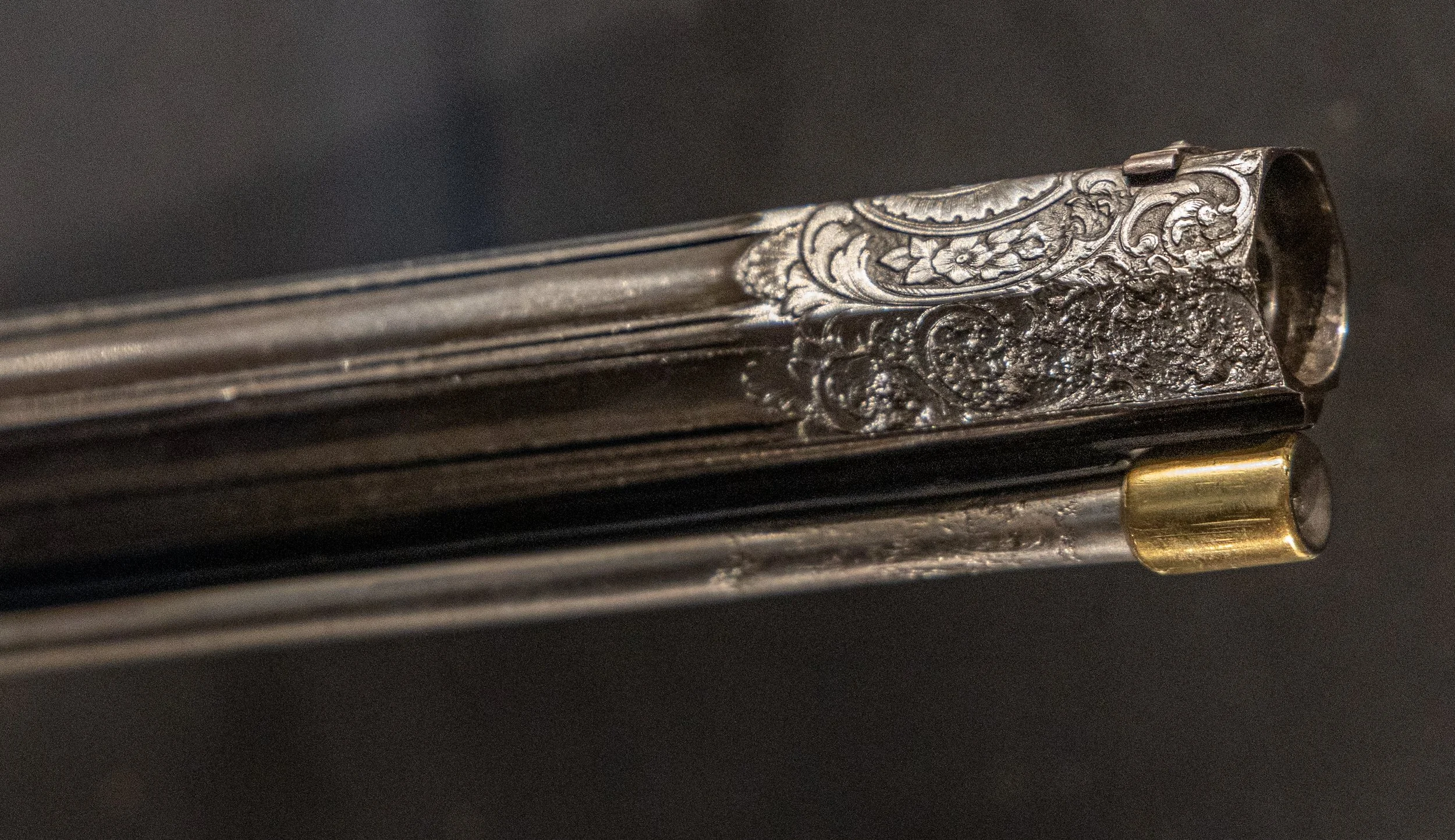
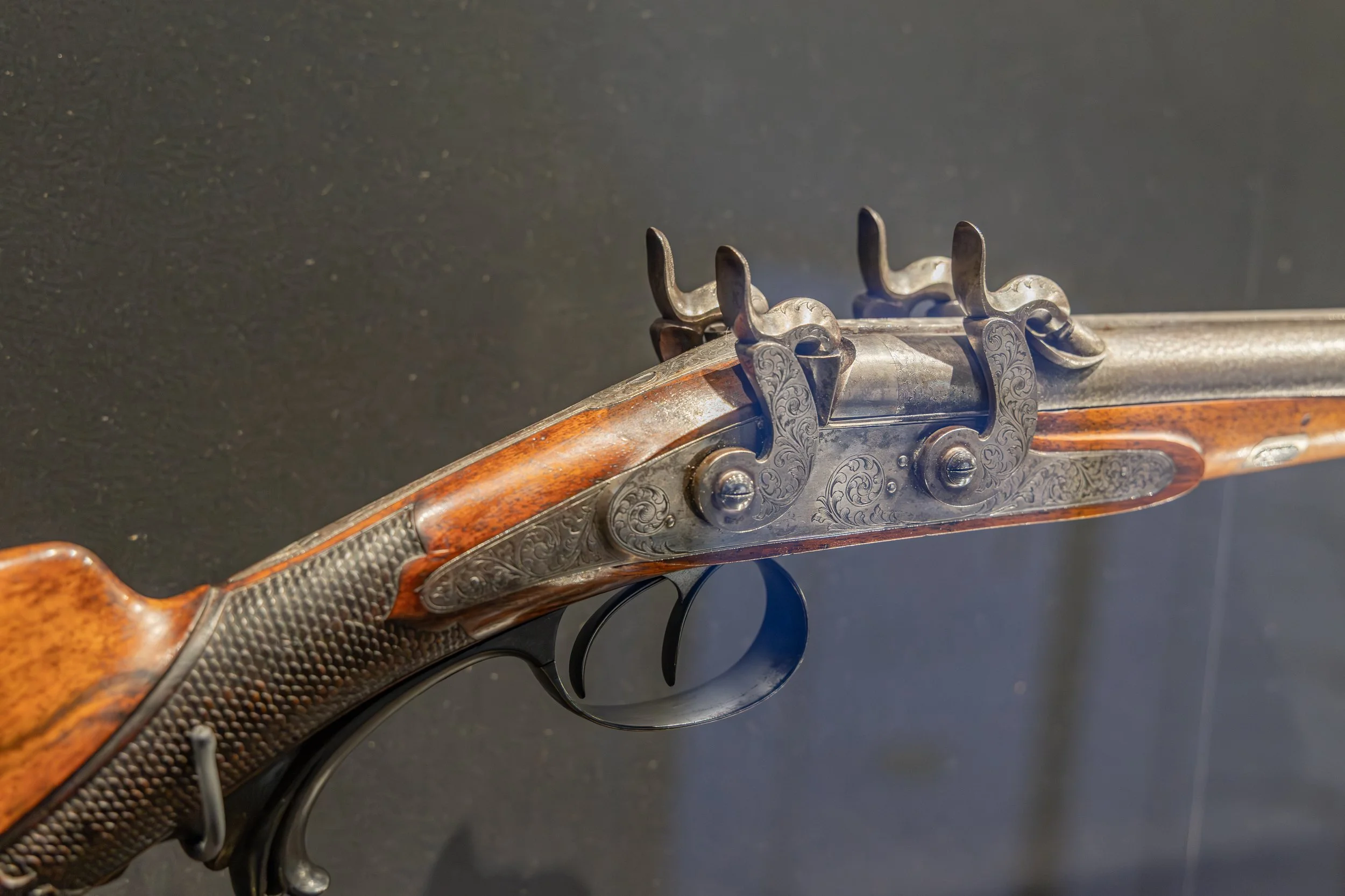
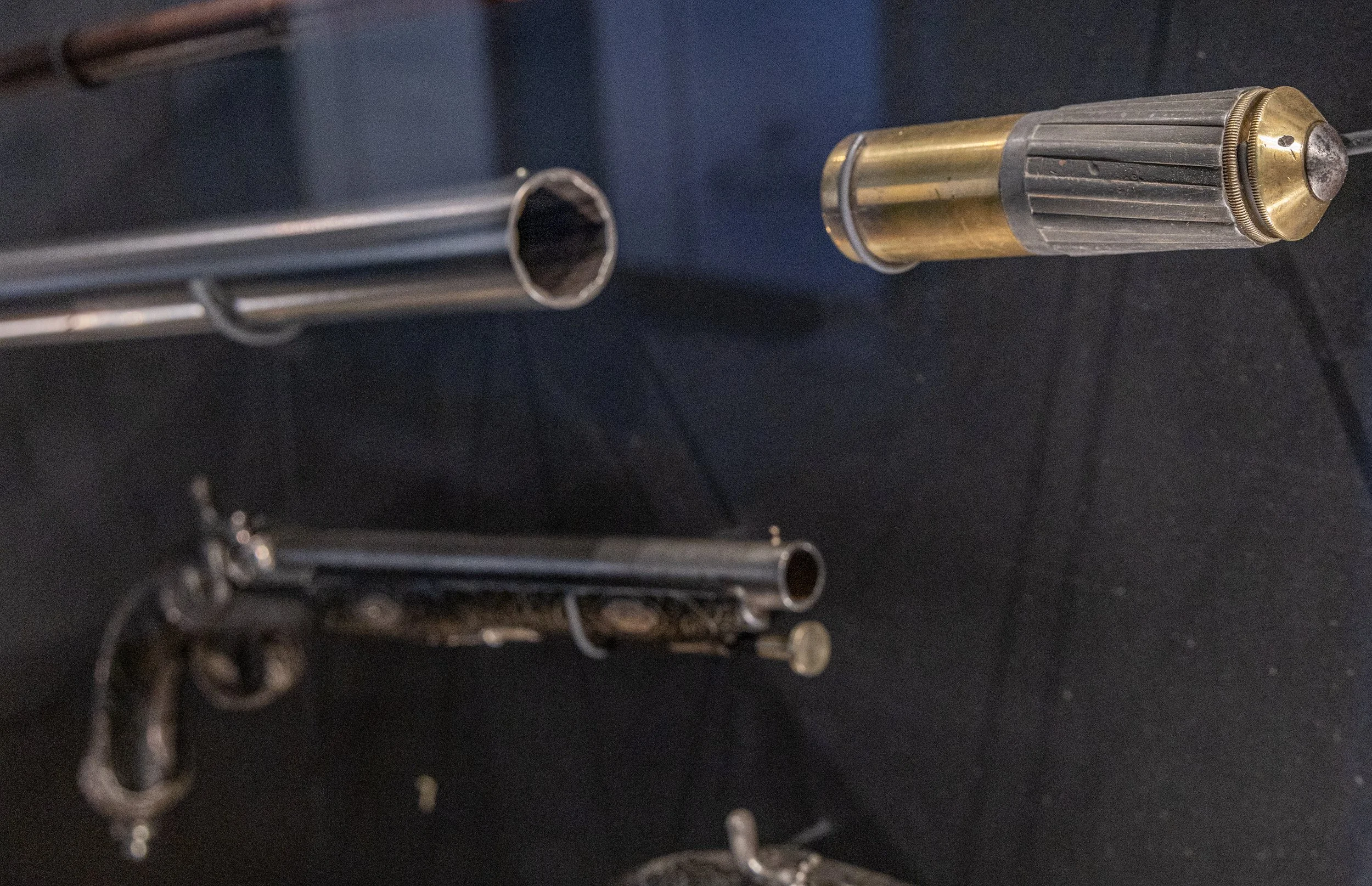
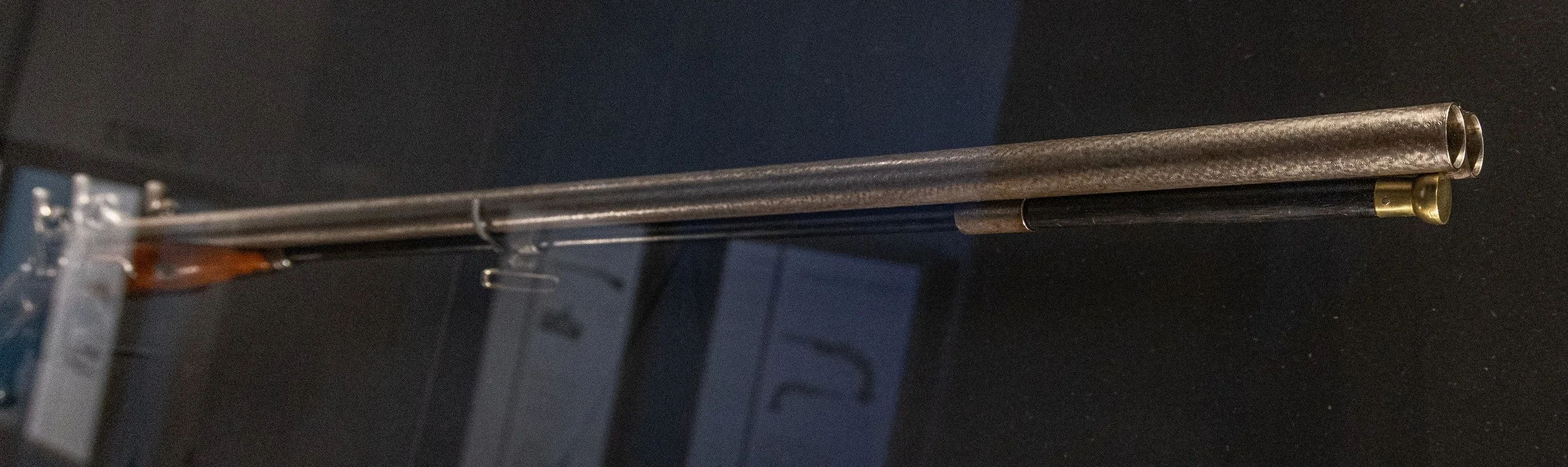
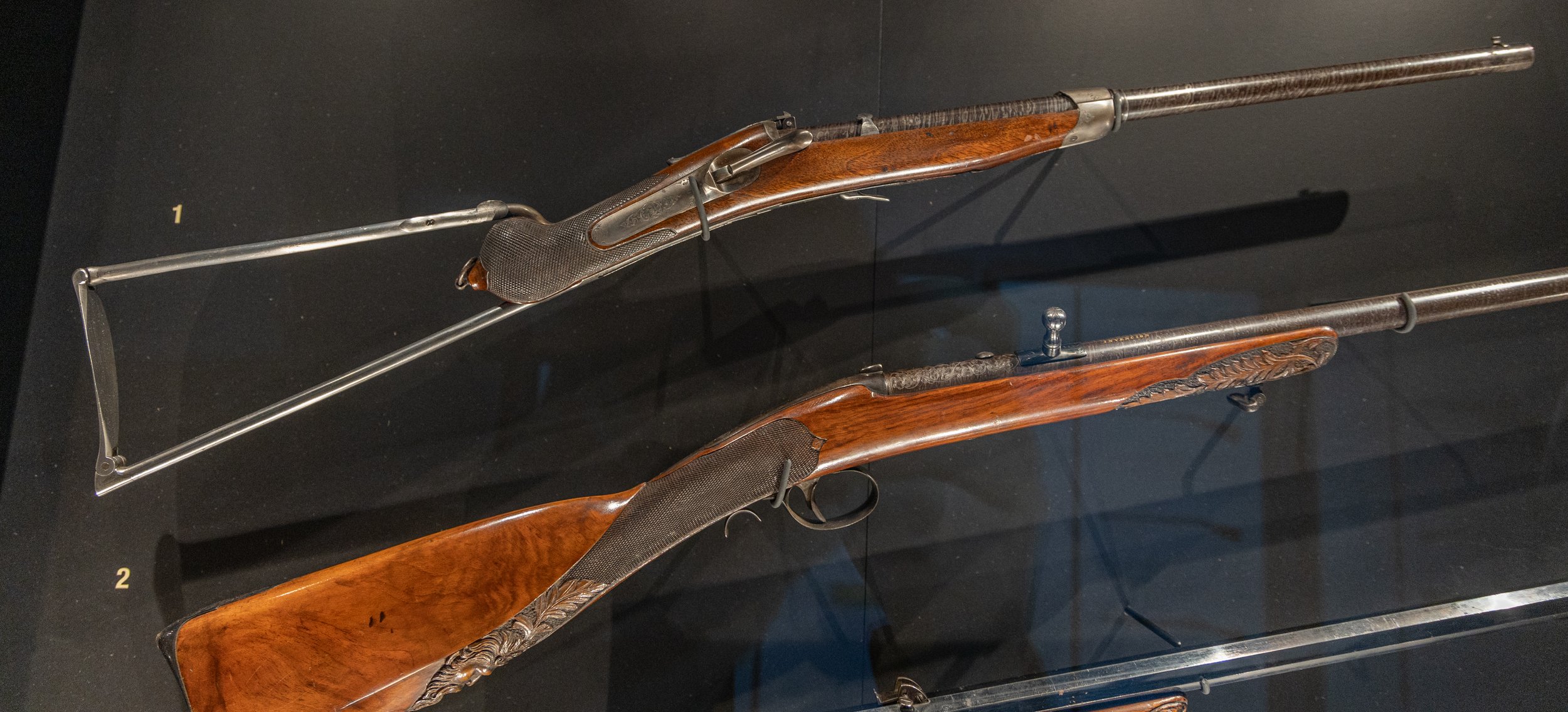
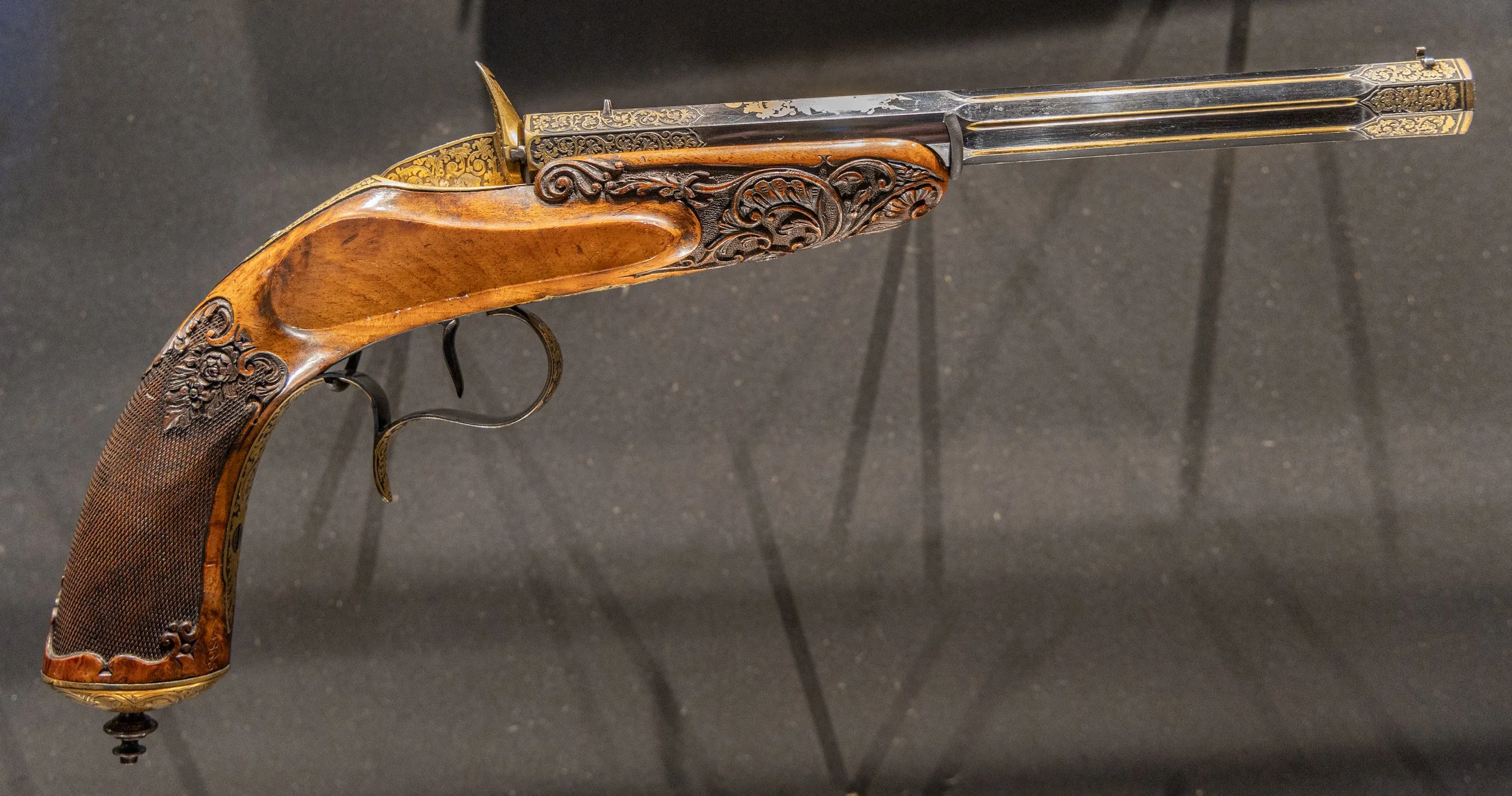
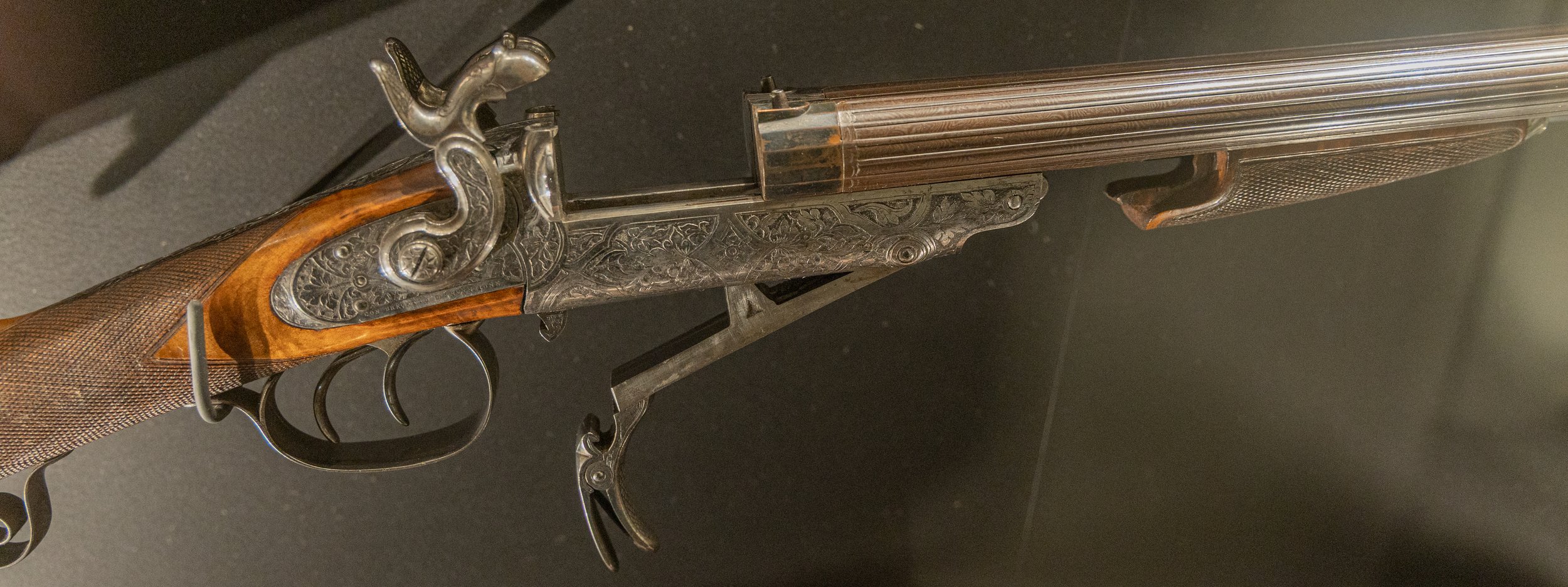
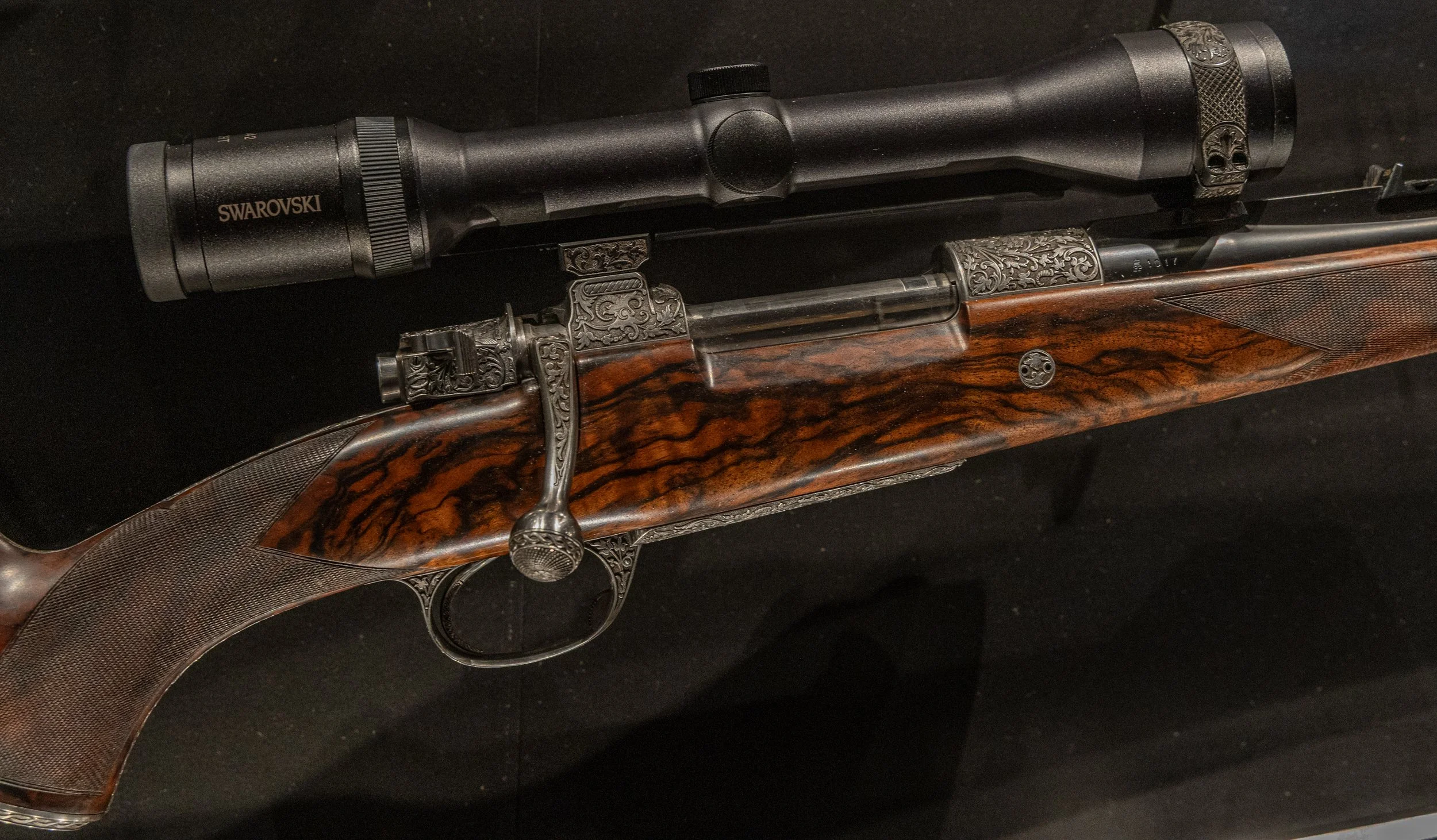
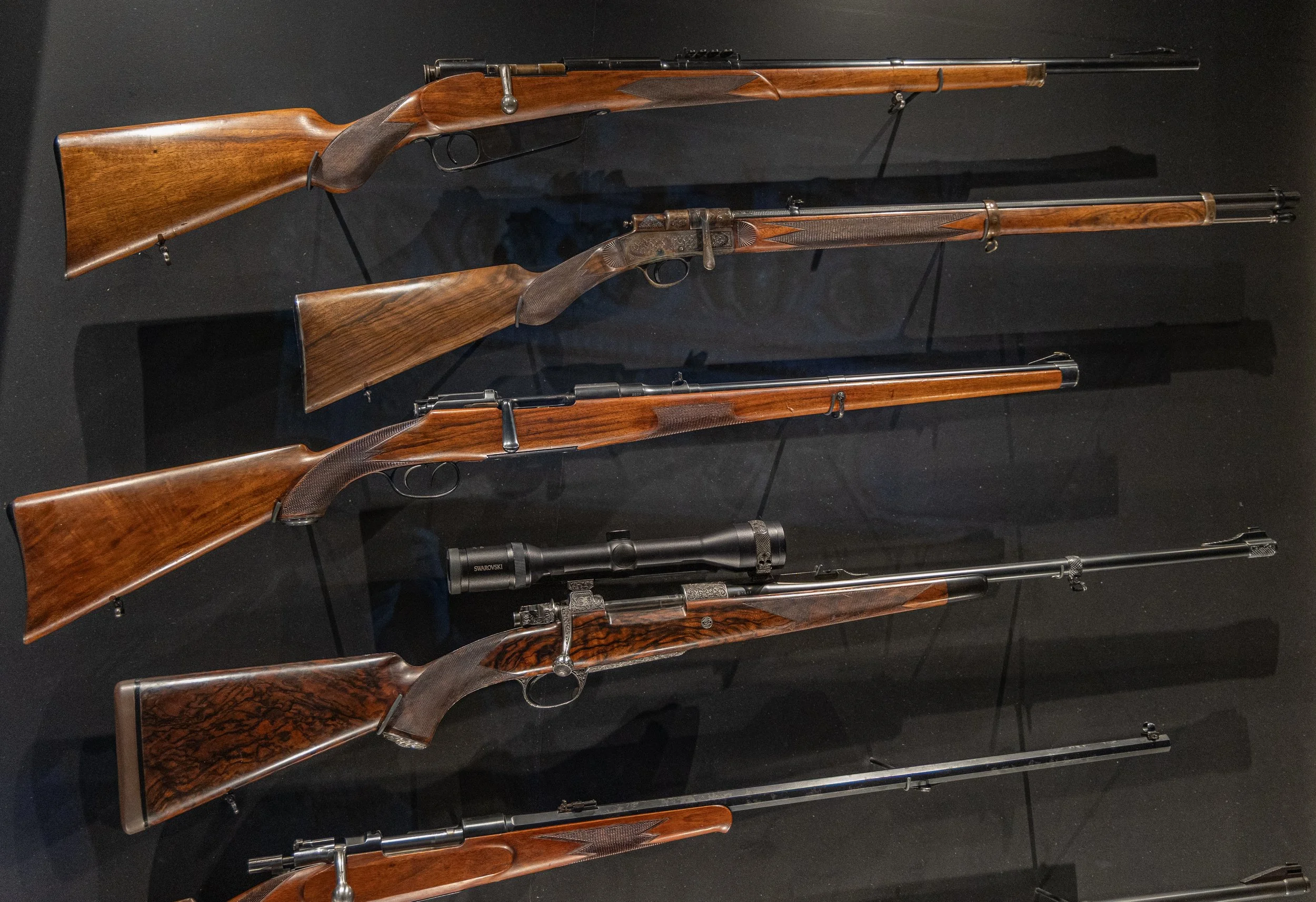
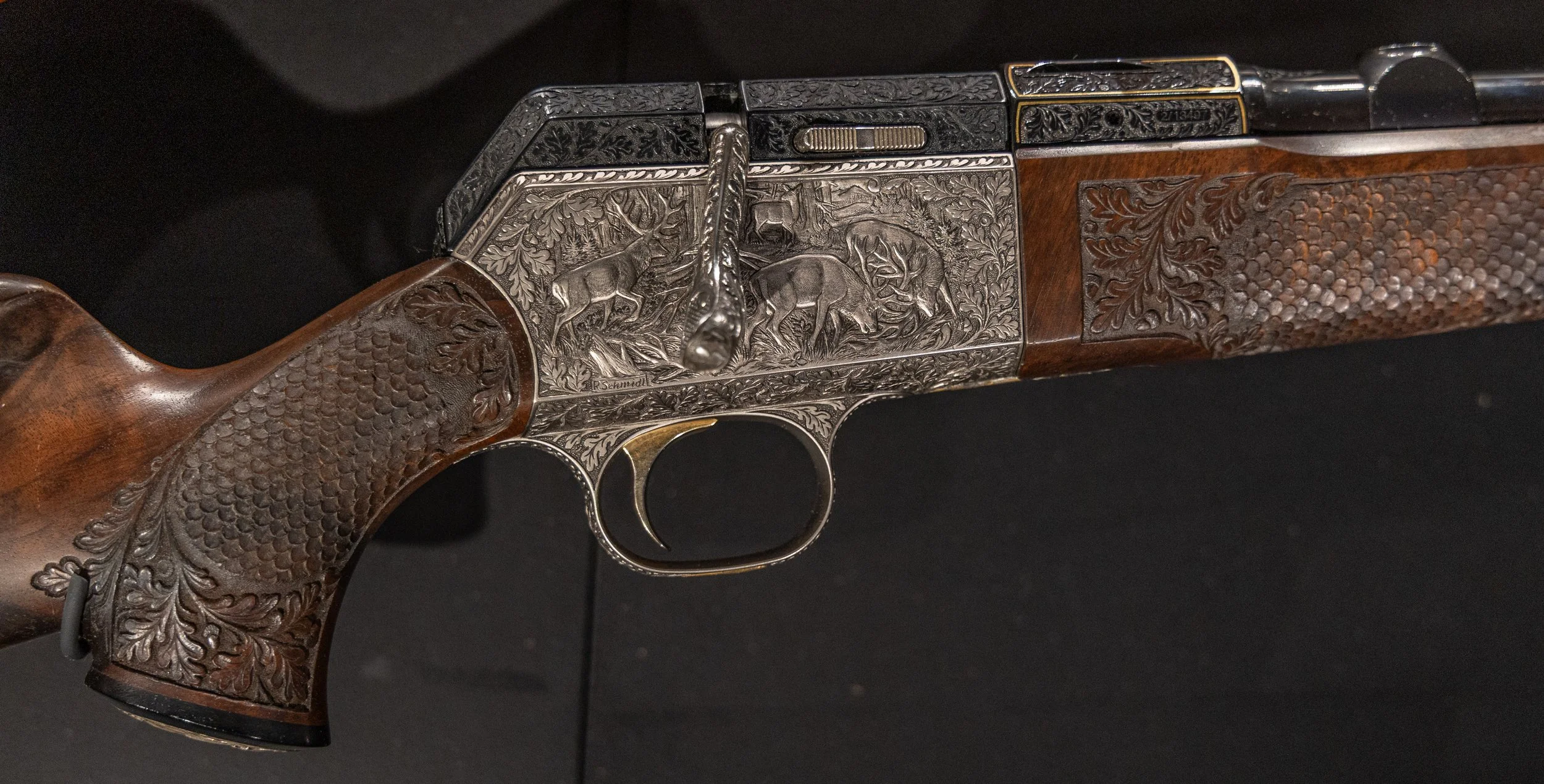
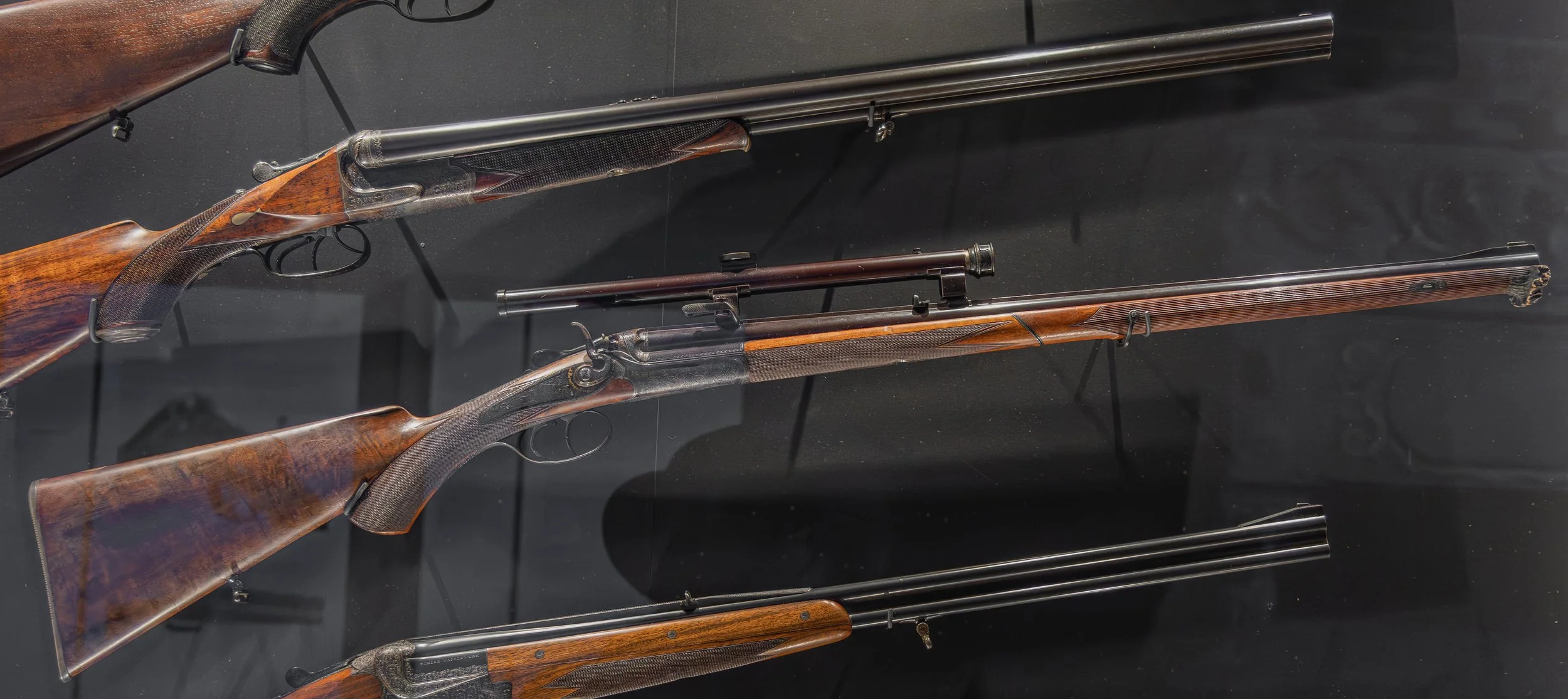
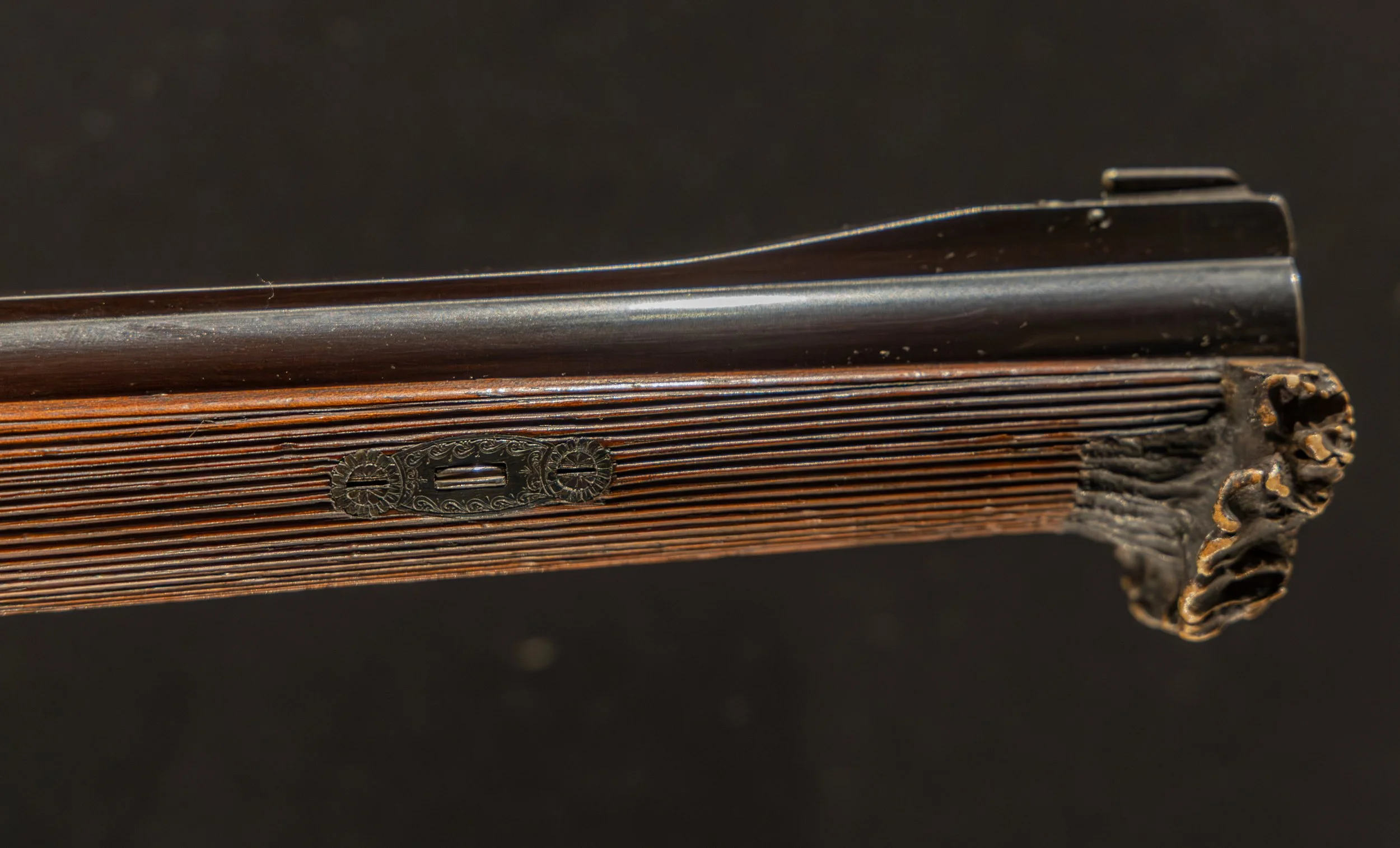
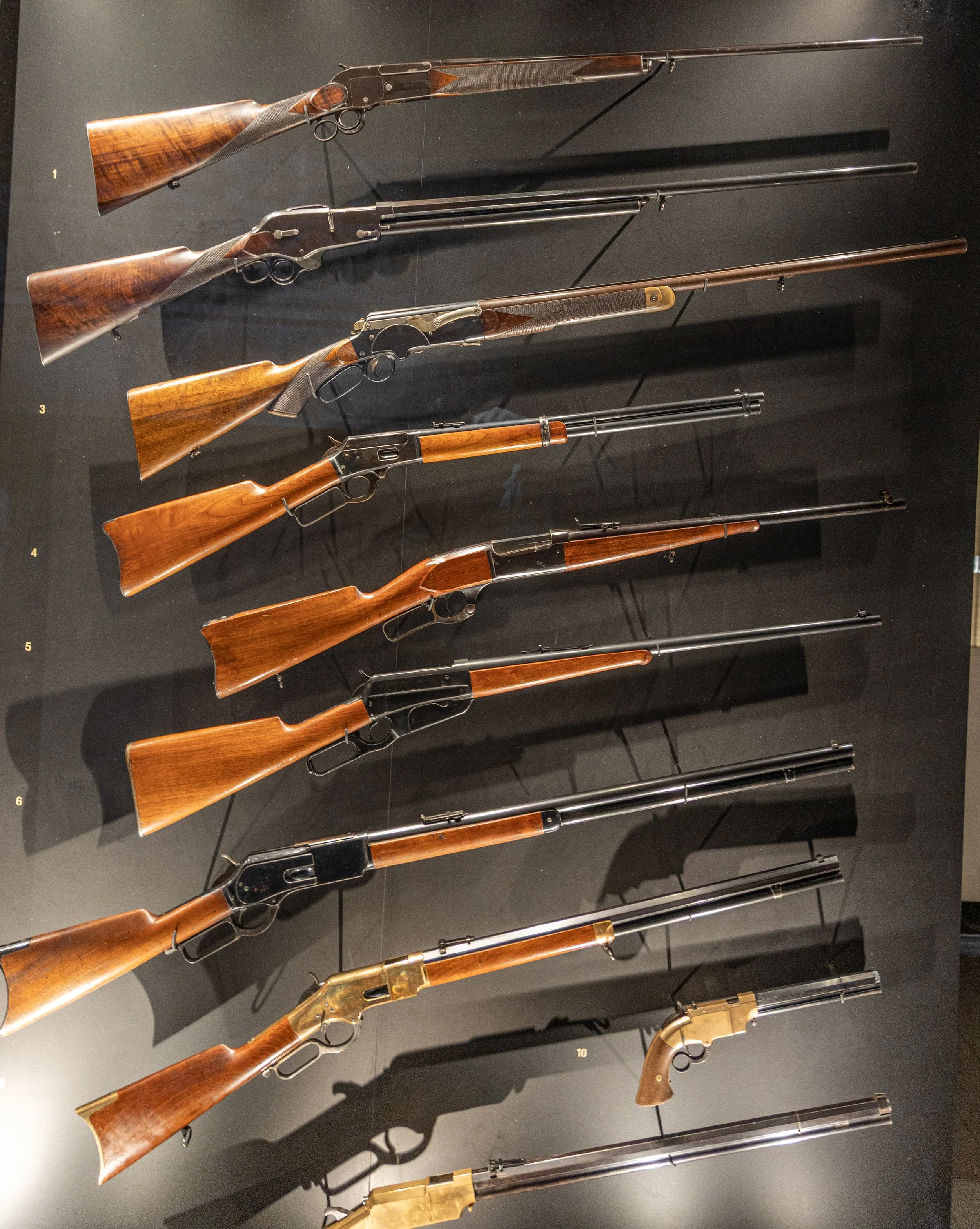
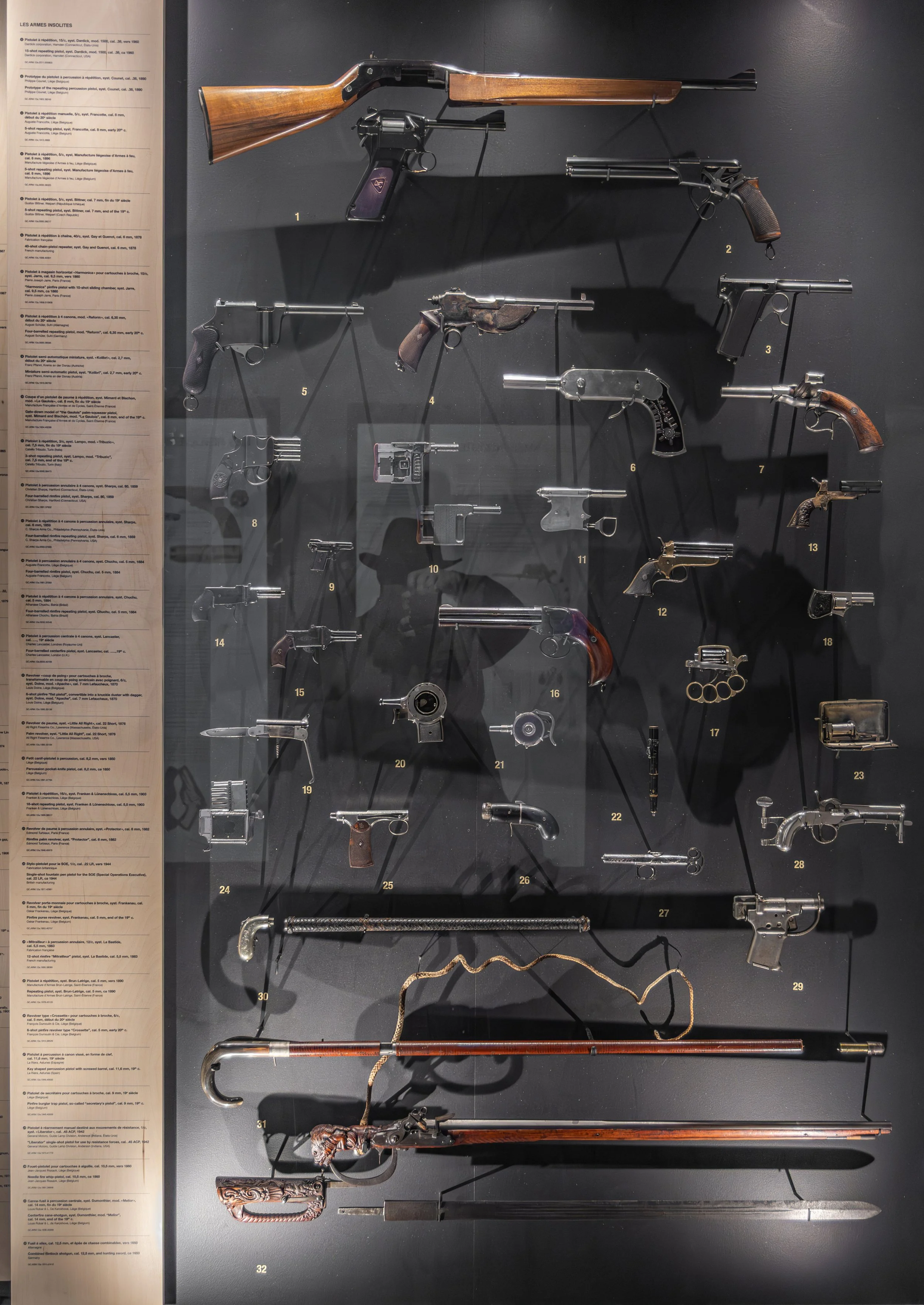
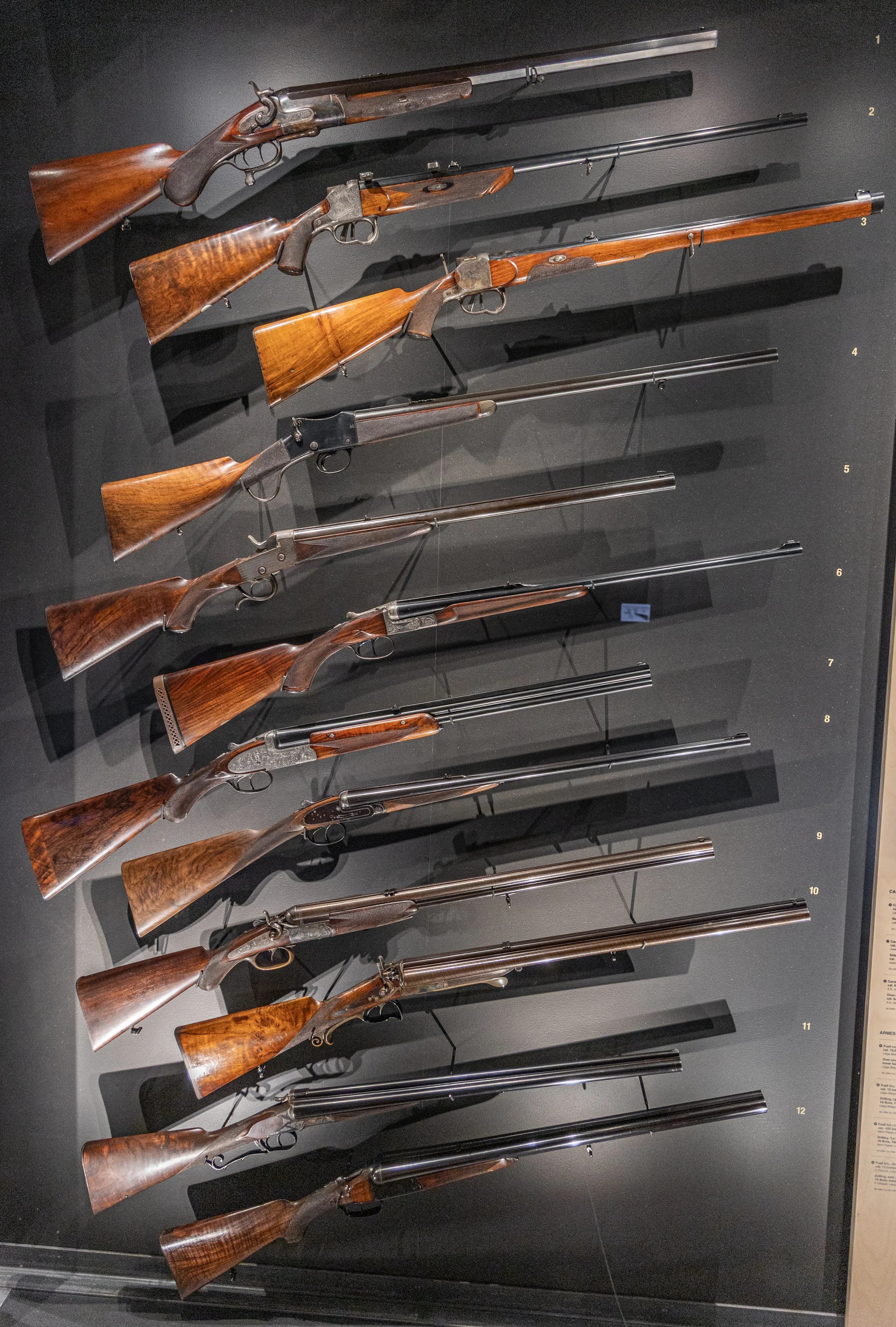
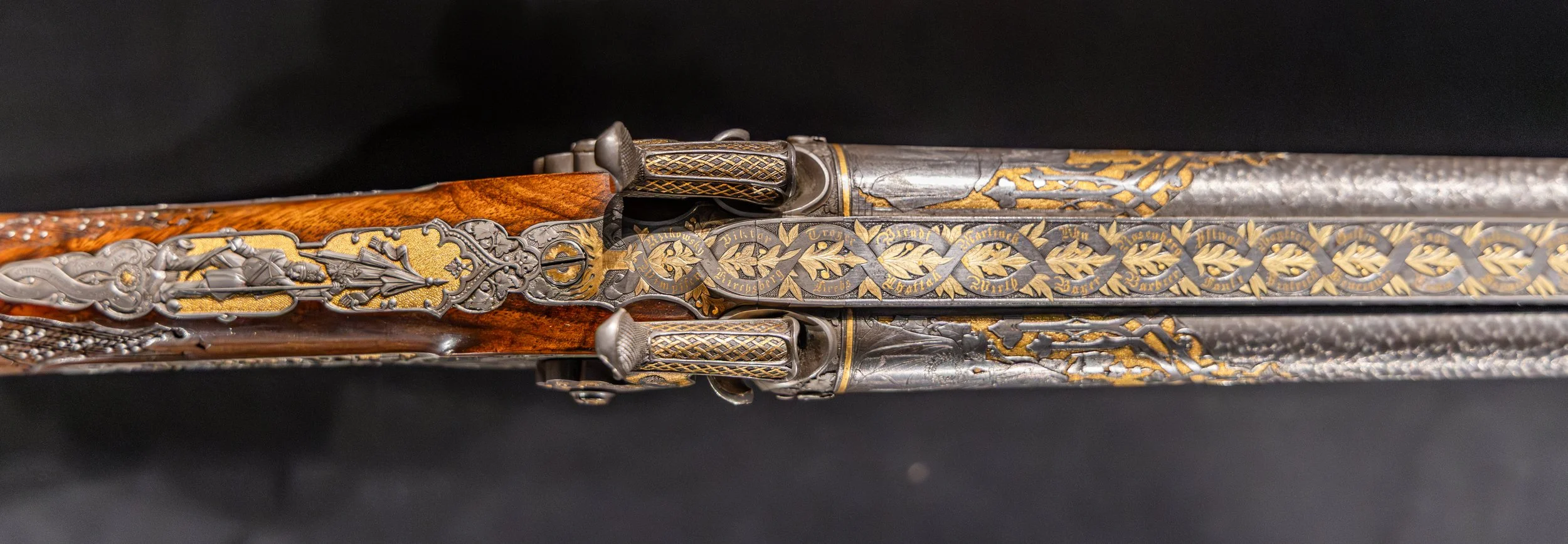
Intricate inlays of ivory and silver, abalone and gold went leaps and bounds beyond what one might find on the most ornamented modern day masterpieces. Sure, the artistic quality of today’s engravings leave many of theirs in the dust, but who does elegant inlays anymore?
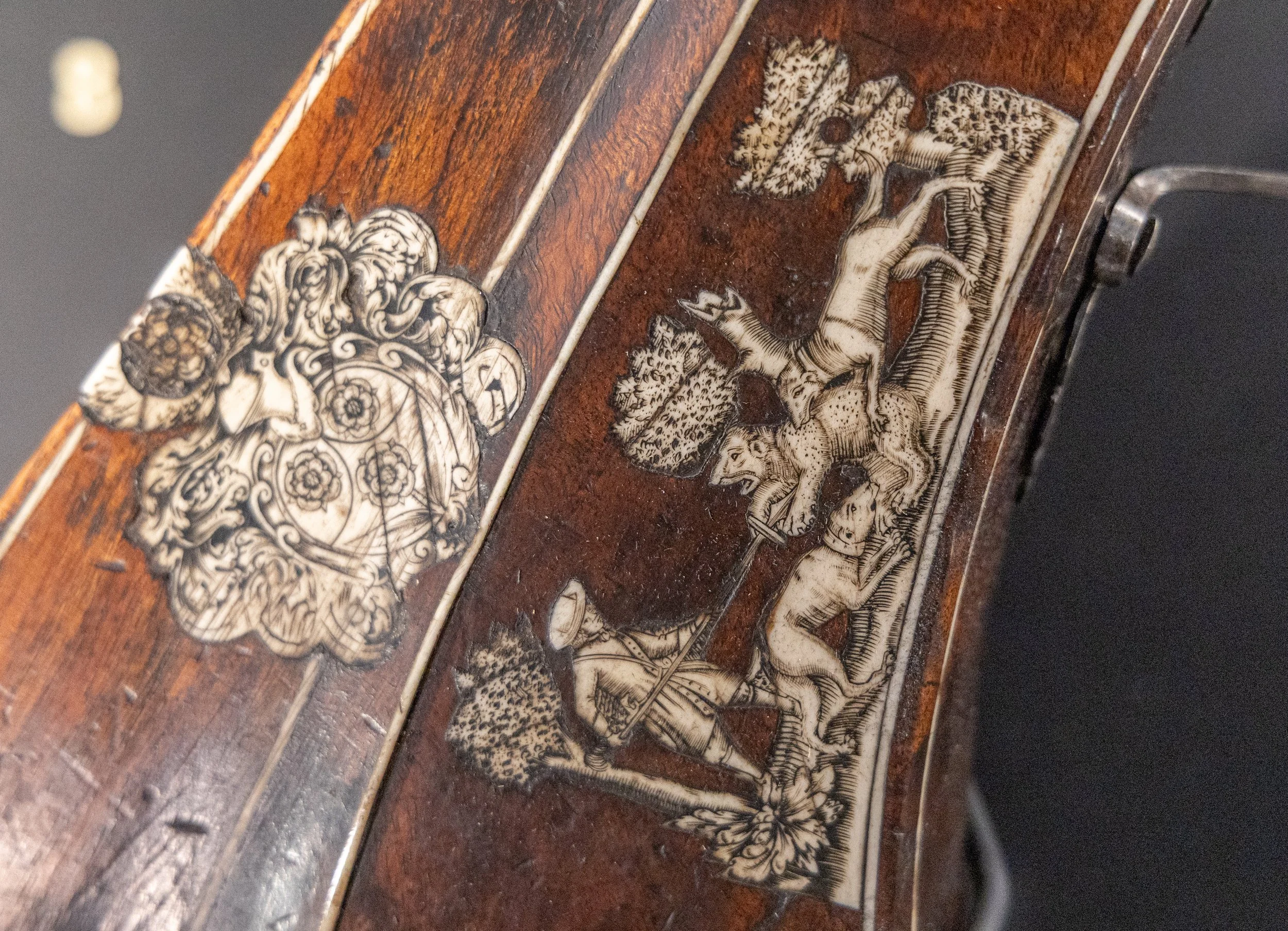
Who even does inlays anymore?
No doubt these arms were made for royalty, with some rifle stocks covered from muzzle to toe with ivory-inletted scenes of hounds and hinds, hares and hunters. Nary an inch went unadorned, with individually-carved figures surrounded by grass and flowers, the pattern laid out across the entirety of the wooden stock canvas.
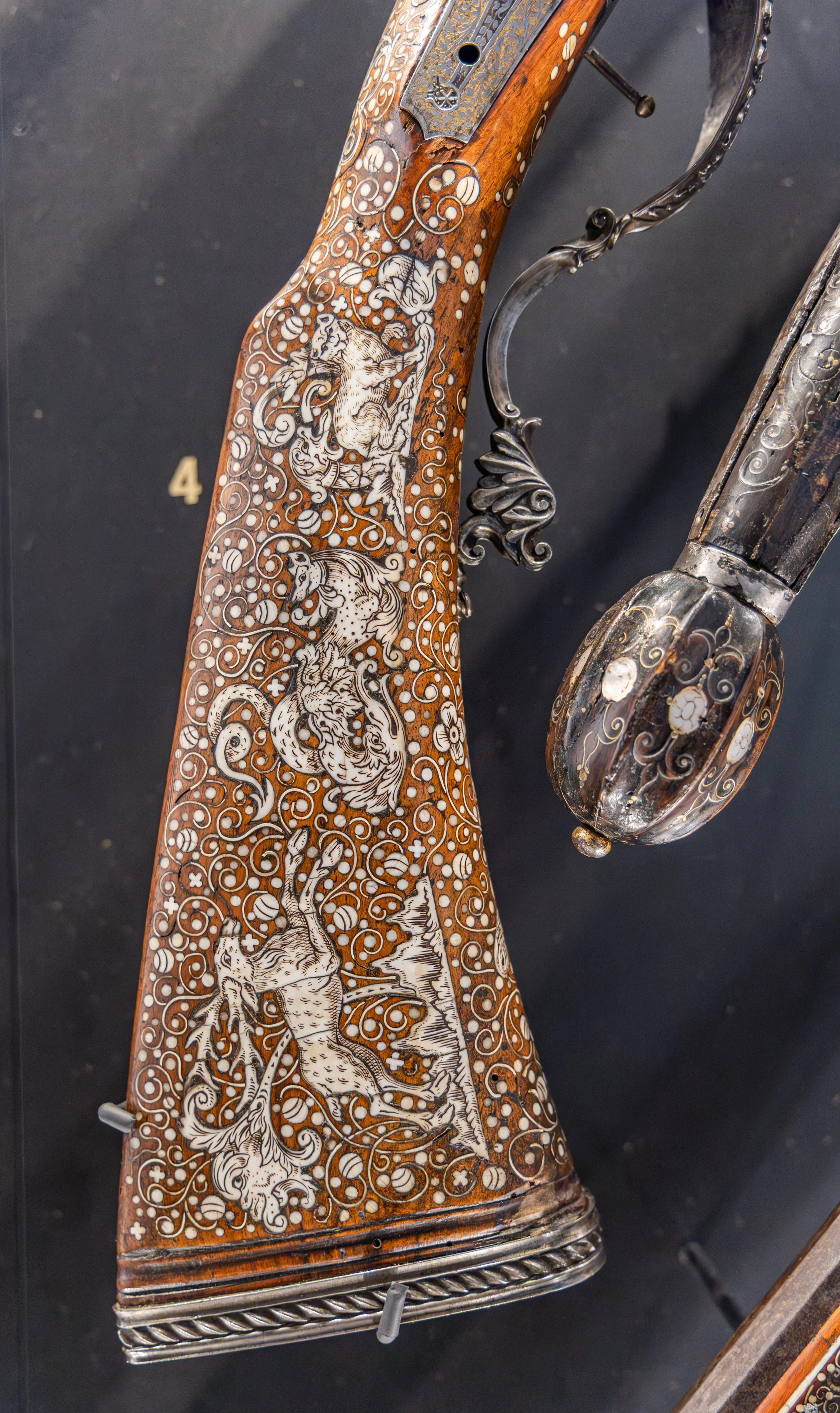
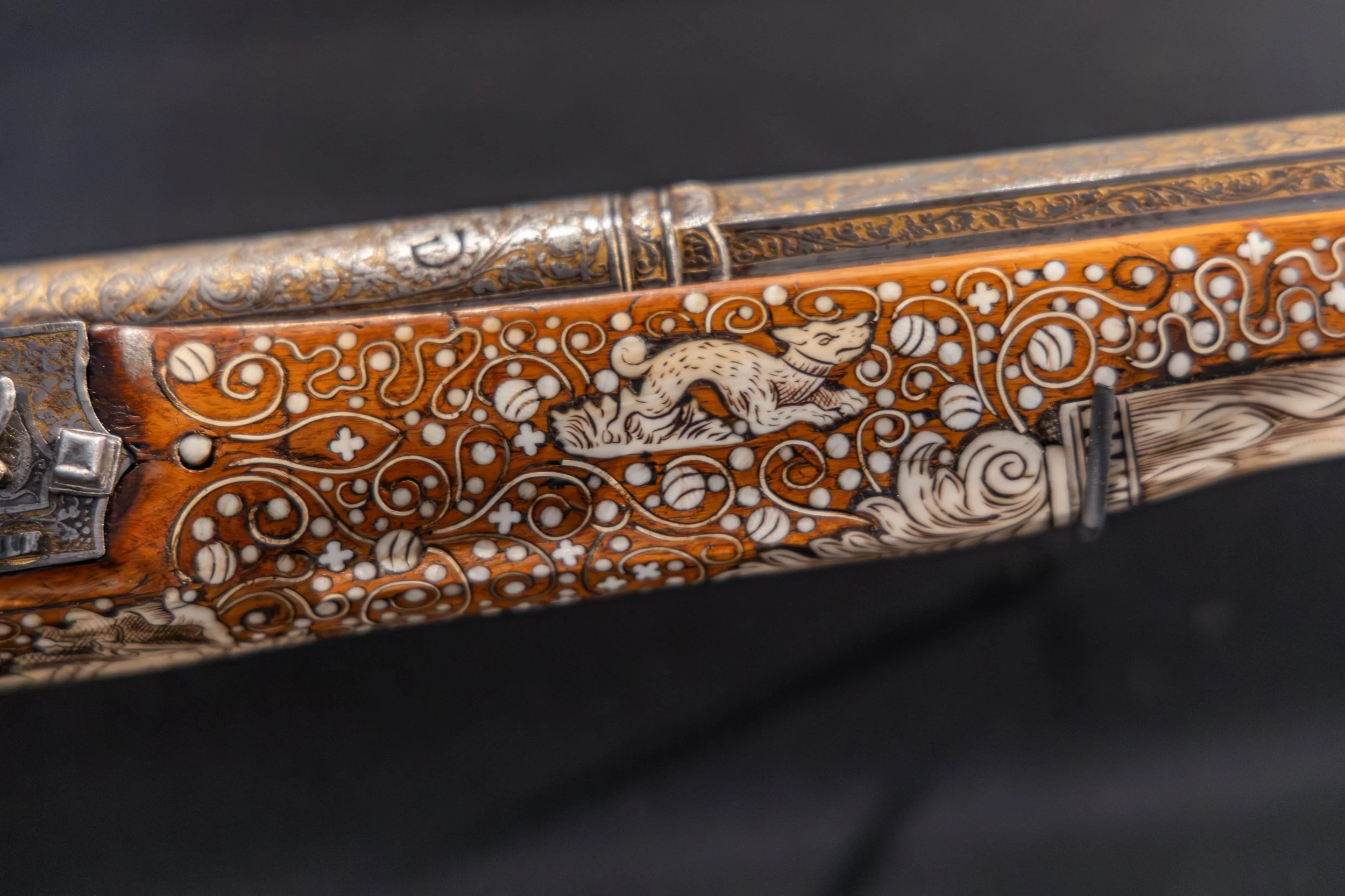
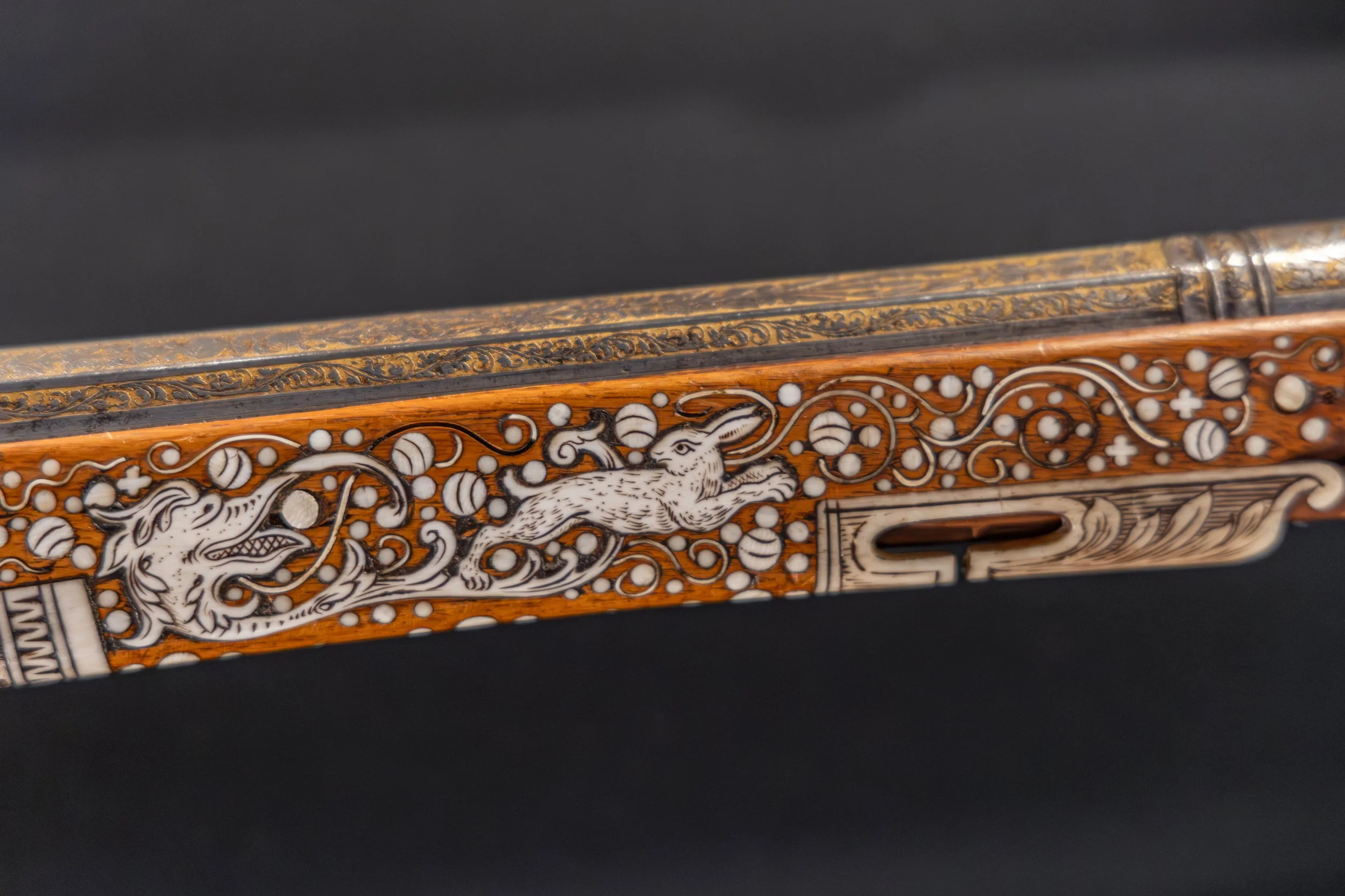
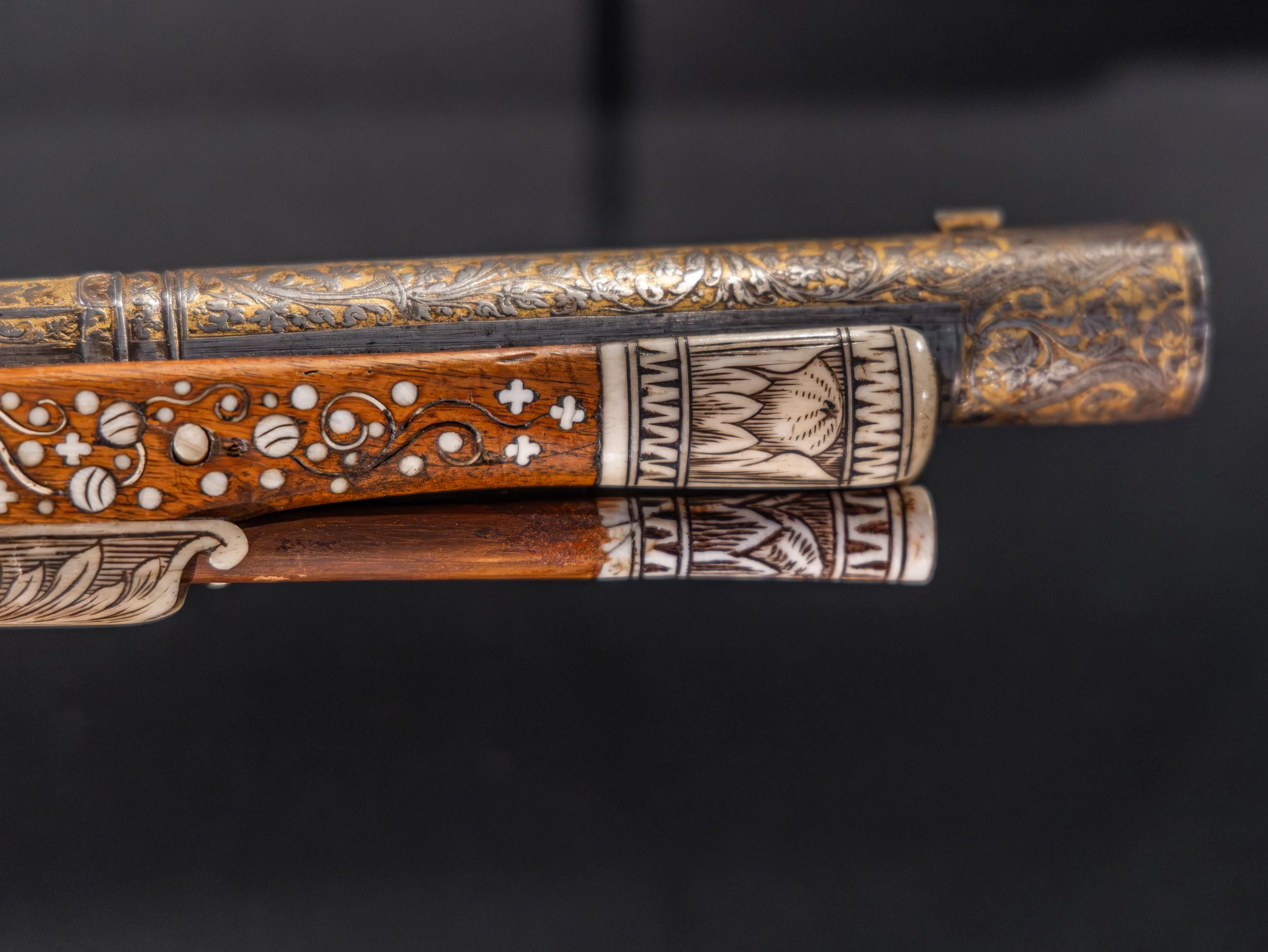
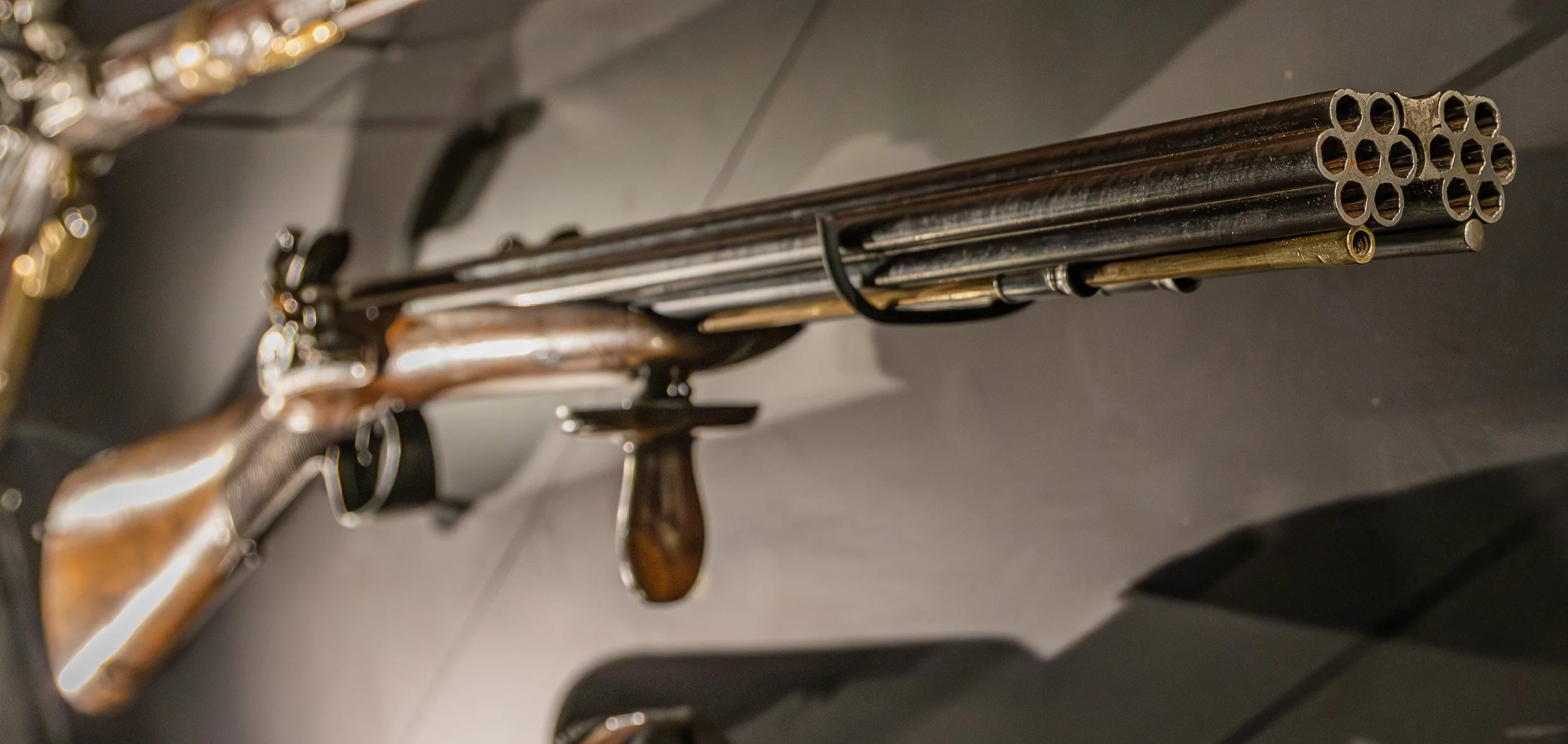
From the dark ages to current time, the collection plotted the progress of the firearm, with uniquely complex designs tucked in amongst the bespoke arms. An almost usably-sized fourteen-barreled flintlock built in 1795 (all barrels rifled, of course), or a two-barreled flintlock whose barrels rotate 180° and are fired by the same lock, then a percussion-fired precursor to the Savage Model 24, with a duck-billed smooth bore below and a rifle barrel above – done in damascus, of course.
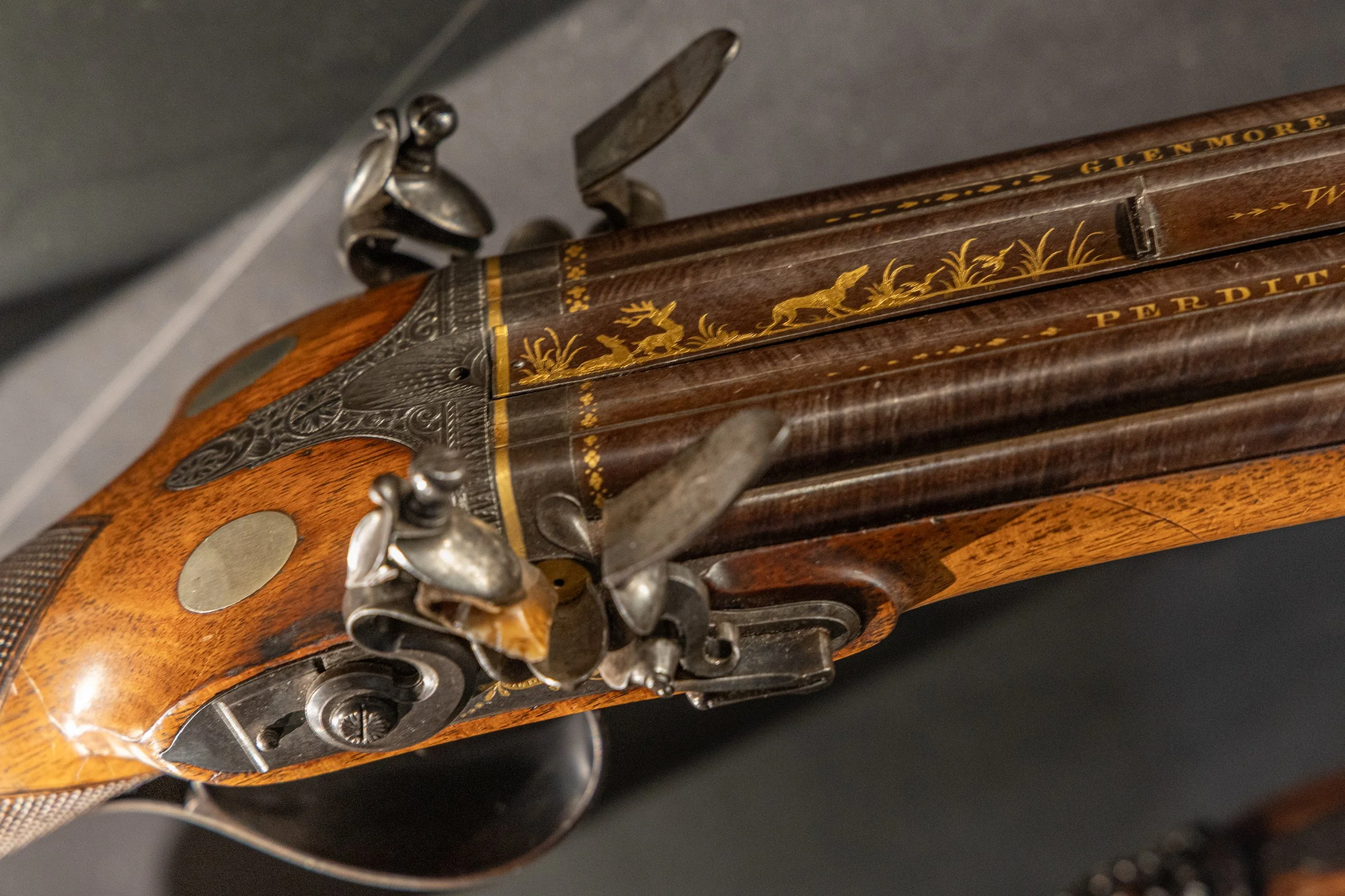
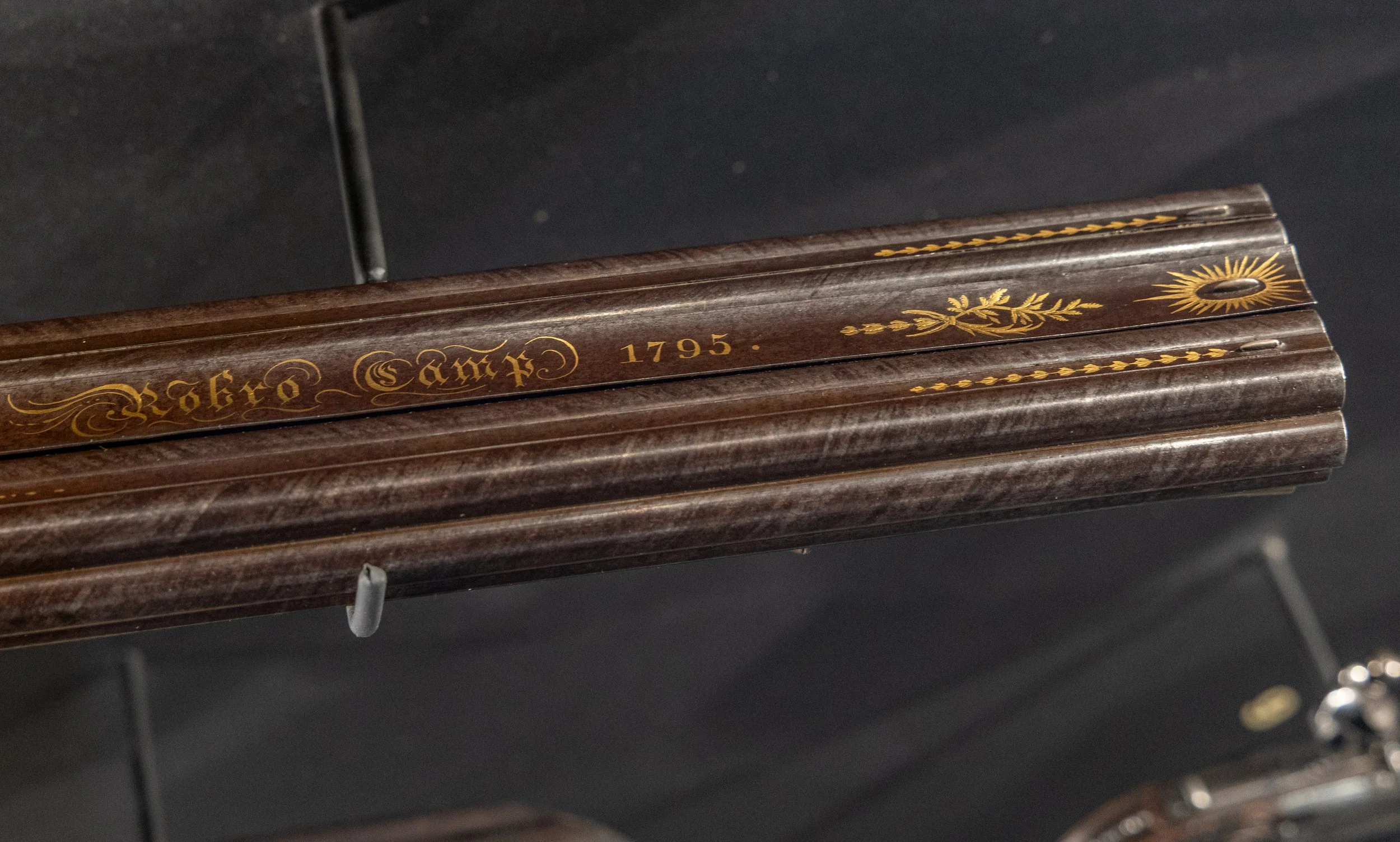
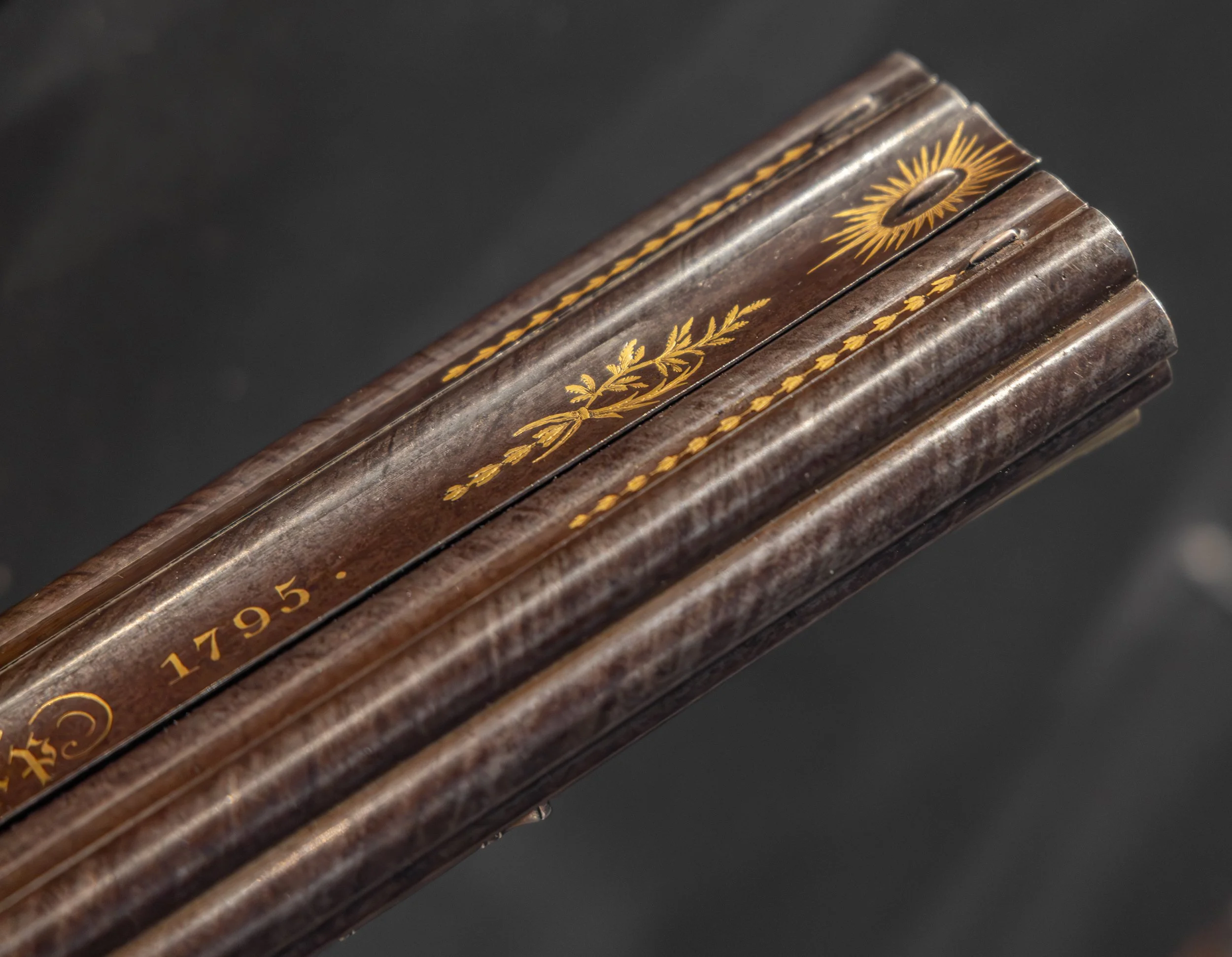
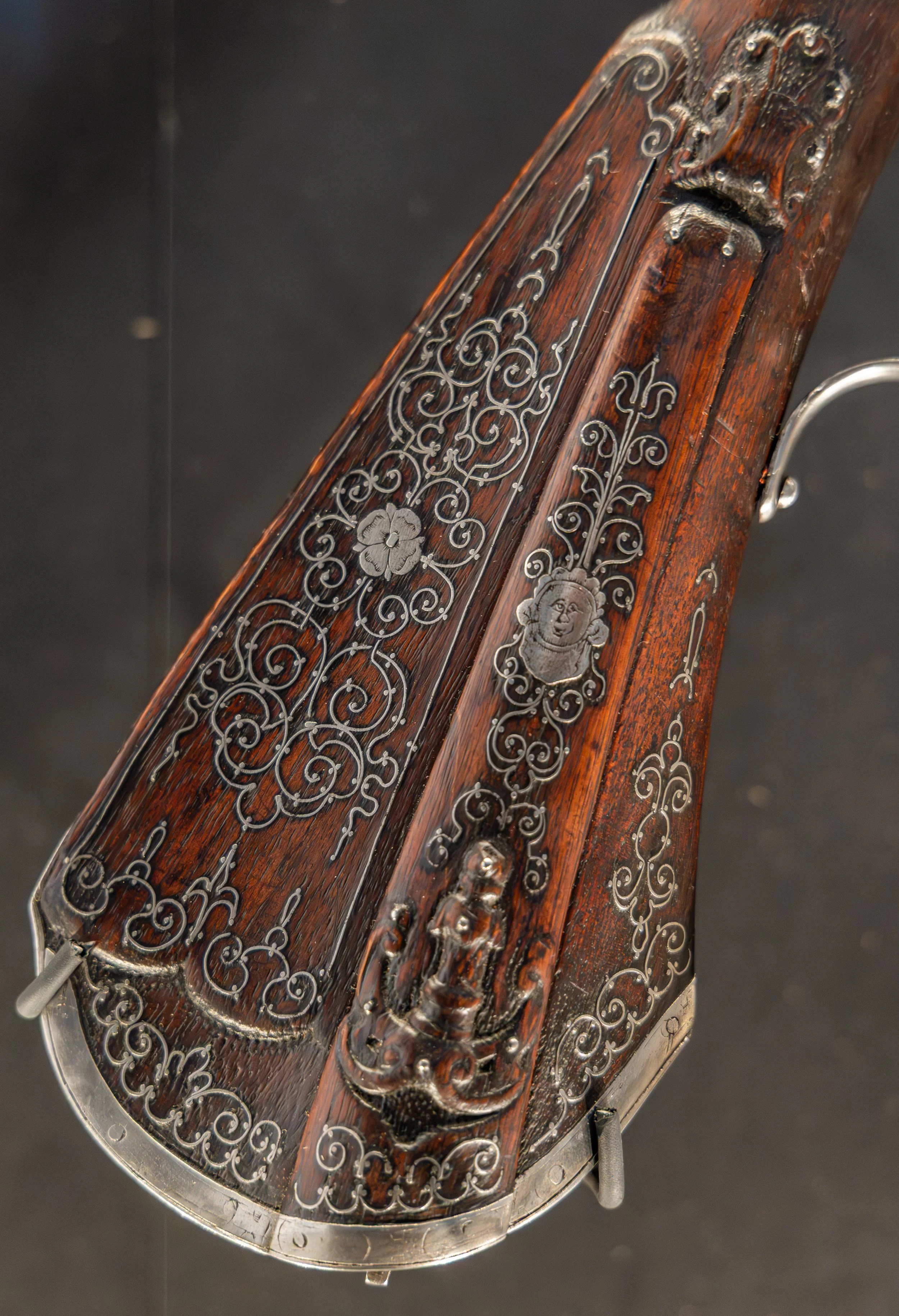
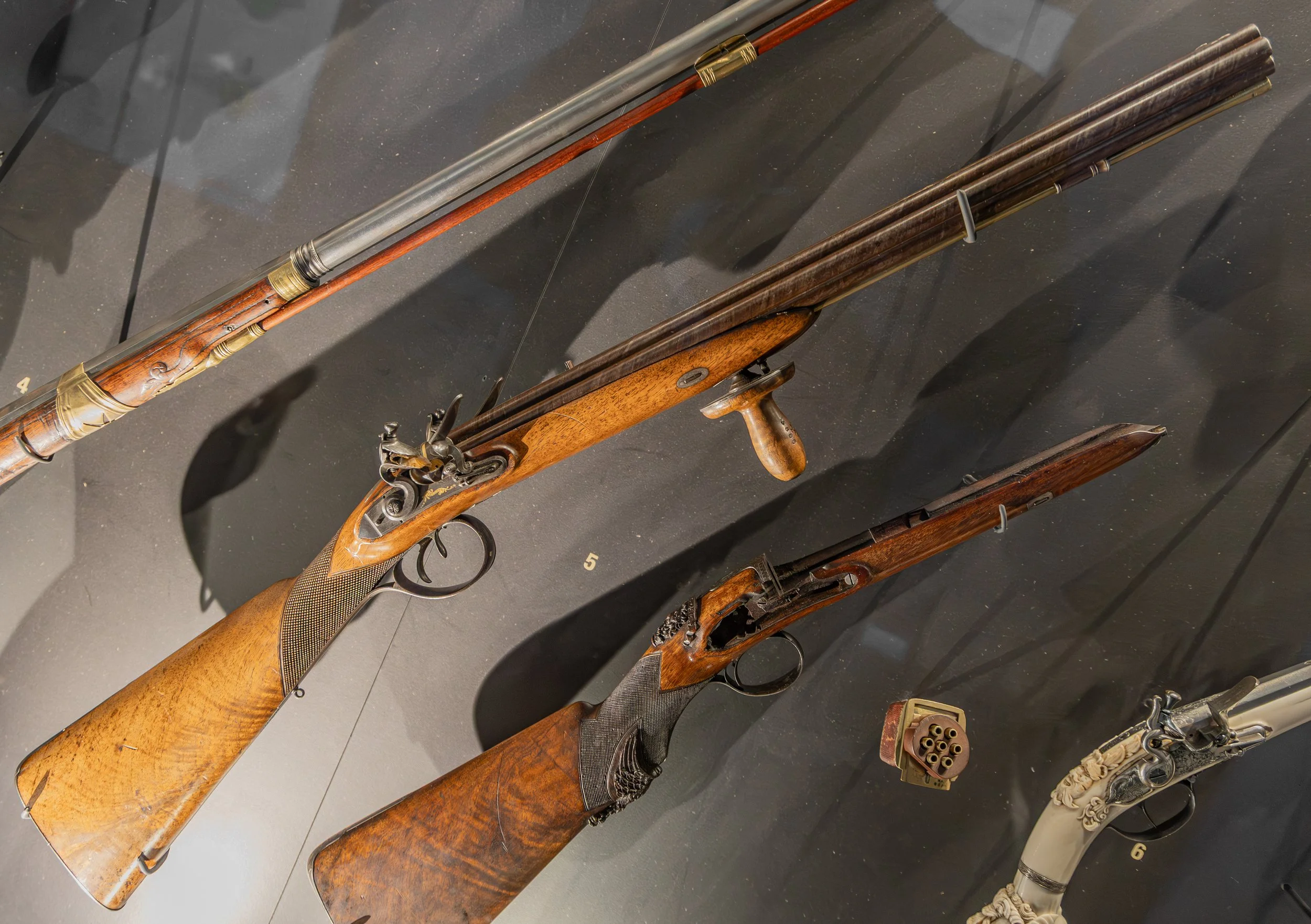
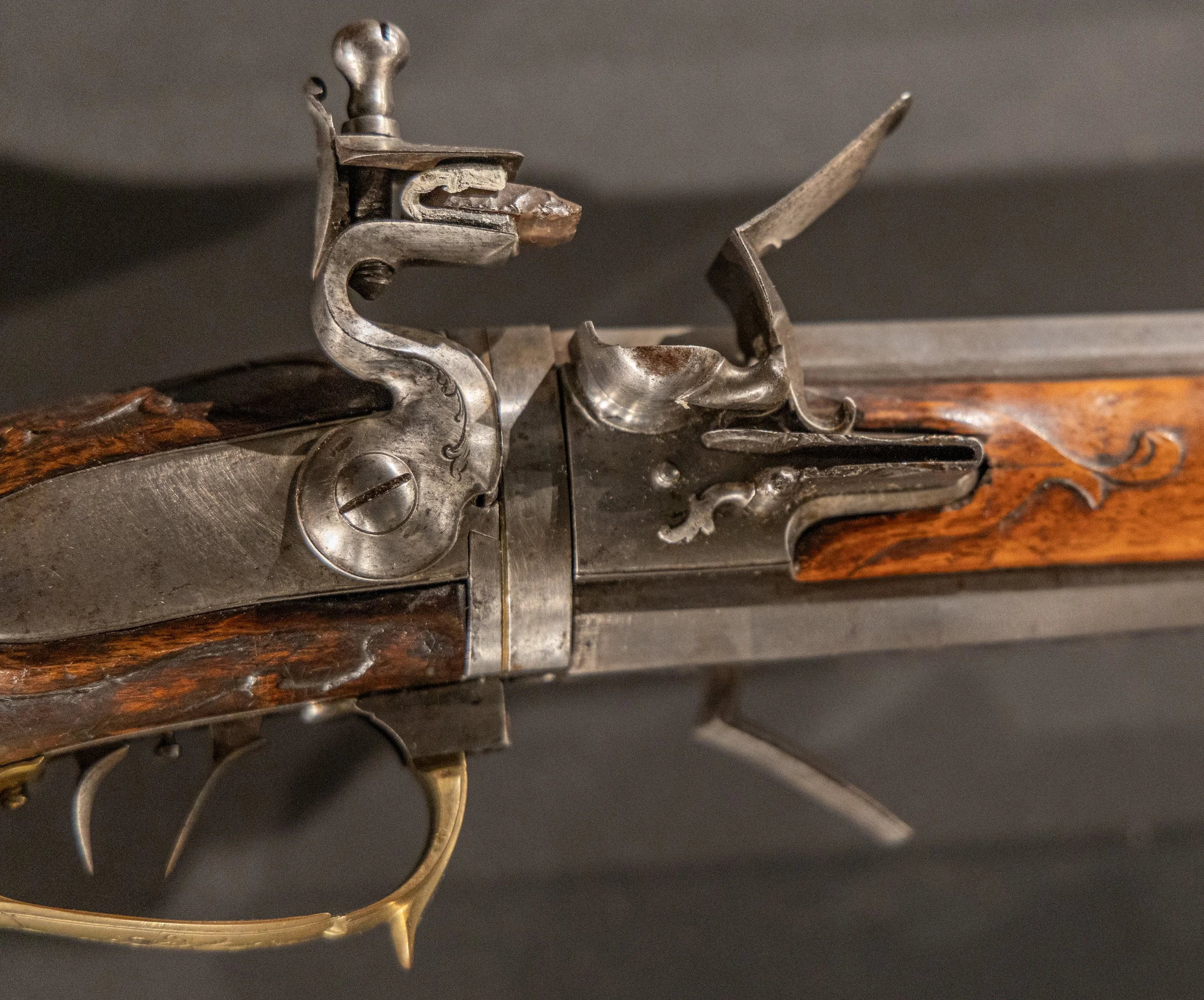
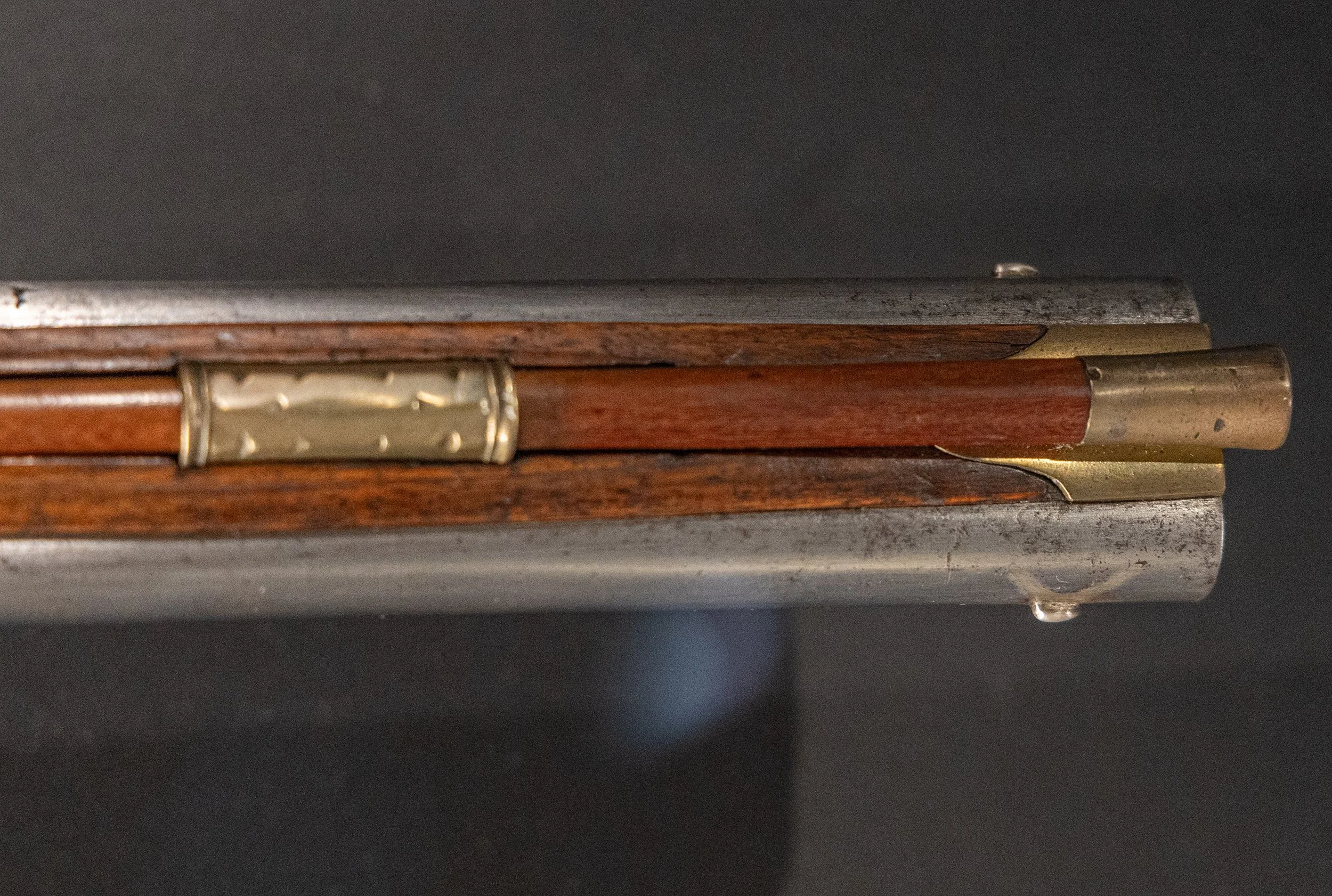
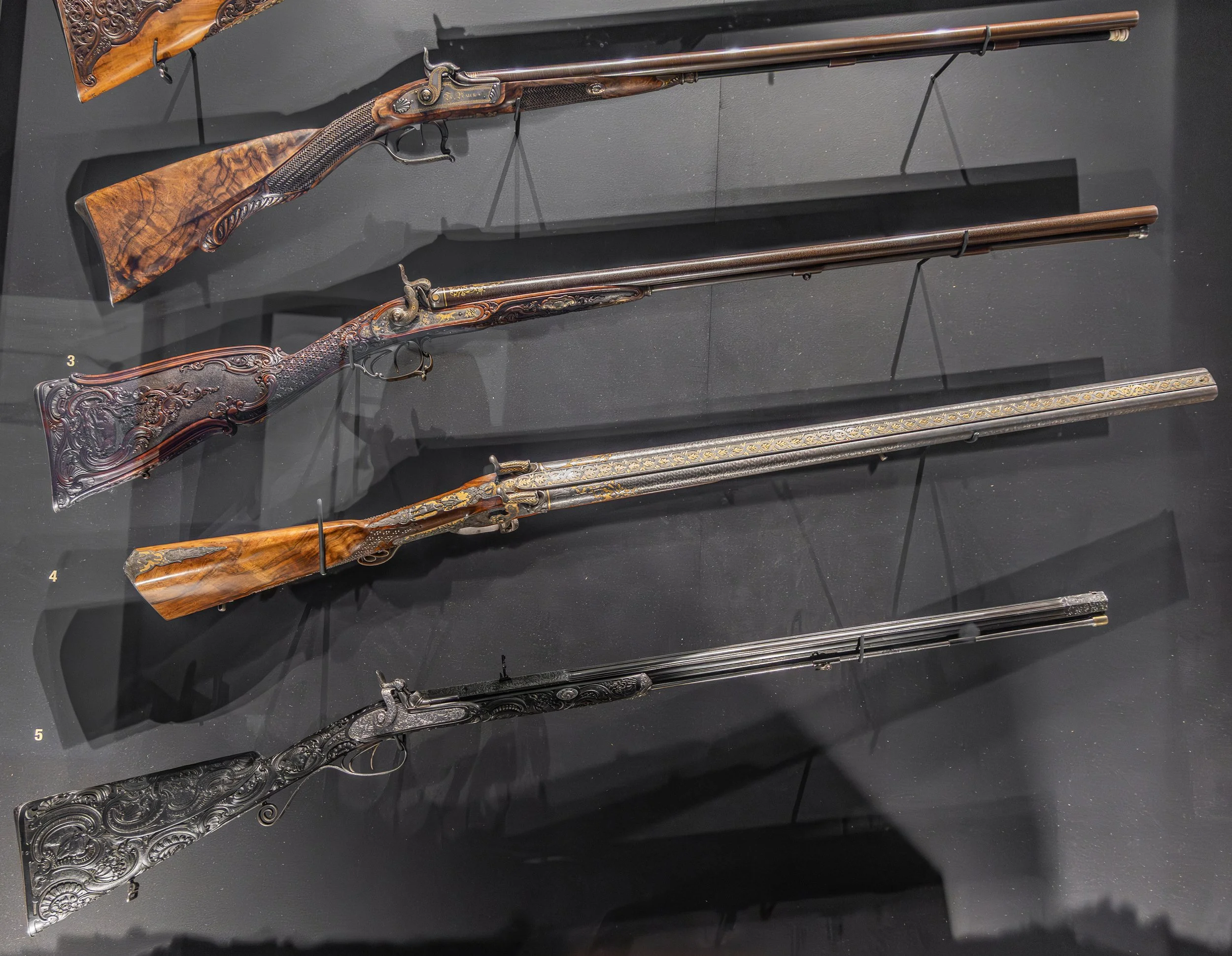
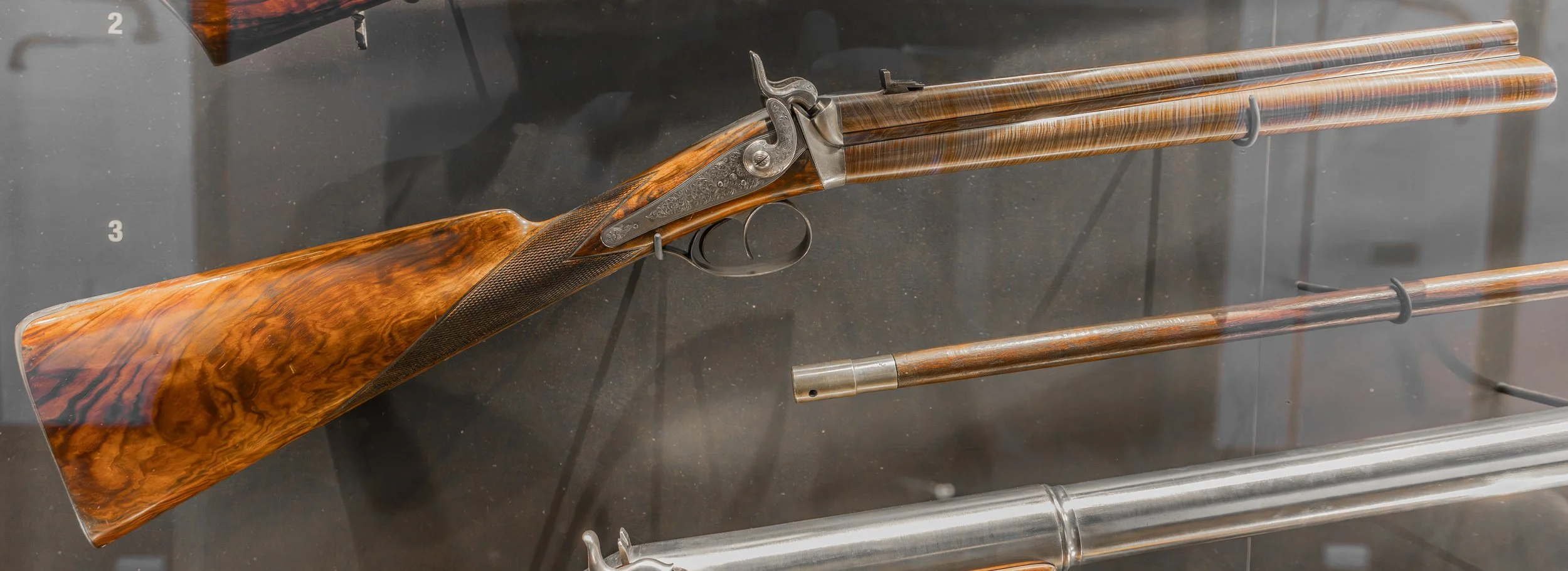
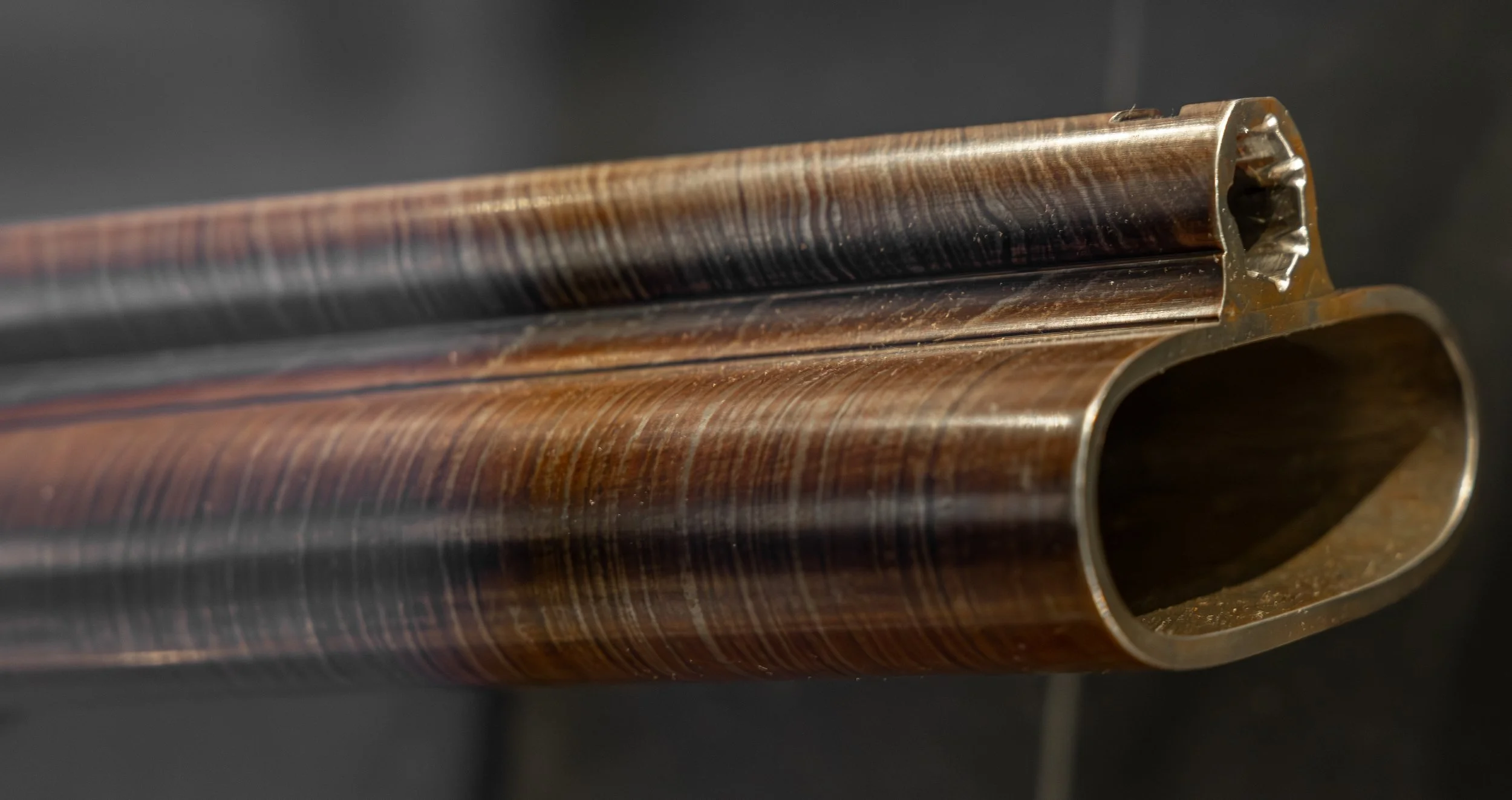
Turn a corner and there were cased sets of hunting guns, dueling pistols and more. Some were stocked in ivory, some fully in ebony, others just wearing plain old walnut with some of the finest figure to be found.
In the mix, a display of hunting swords. Not even remotely practical nowadays, but how badass would it be to have a hunting sword?
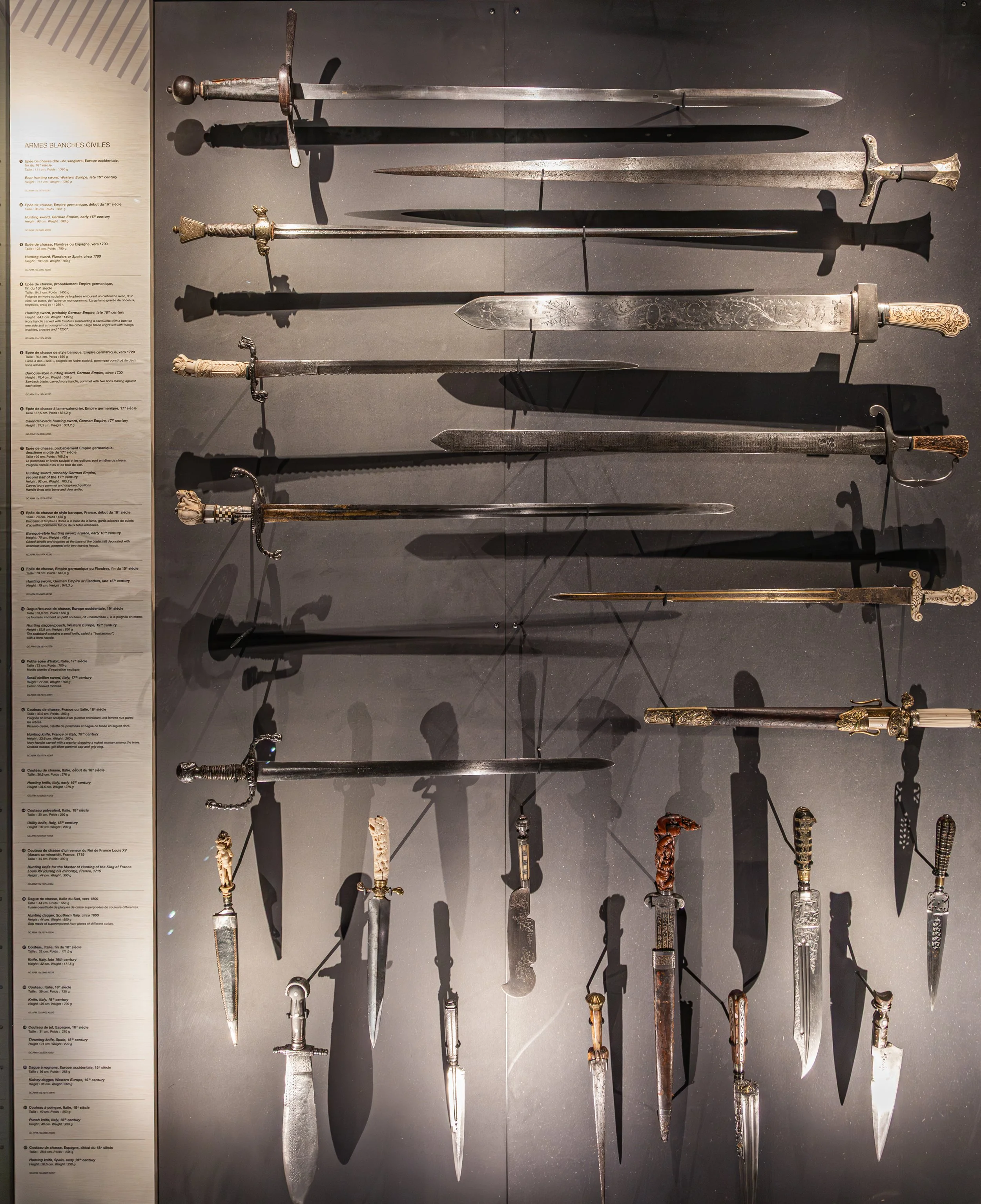
Practical? No. Does that mean I don’t need a hunting sword? Also no.
As my wife hit firearms overload we ascended to the second floor, dedicated to Military Arms. The same progression, this time with more exposition and explanation. Musket to Maxim and Montigny to M-16, there was a proper accounting of the weapons of war.
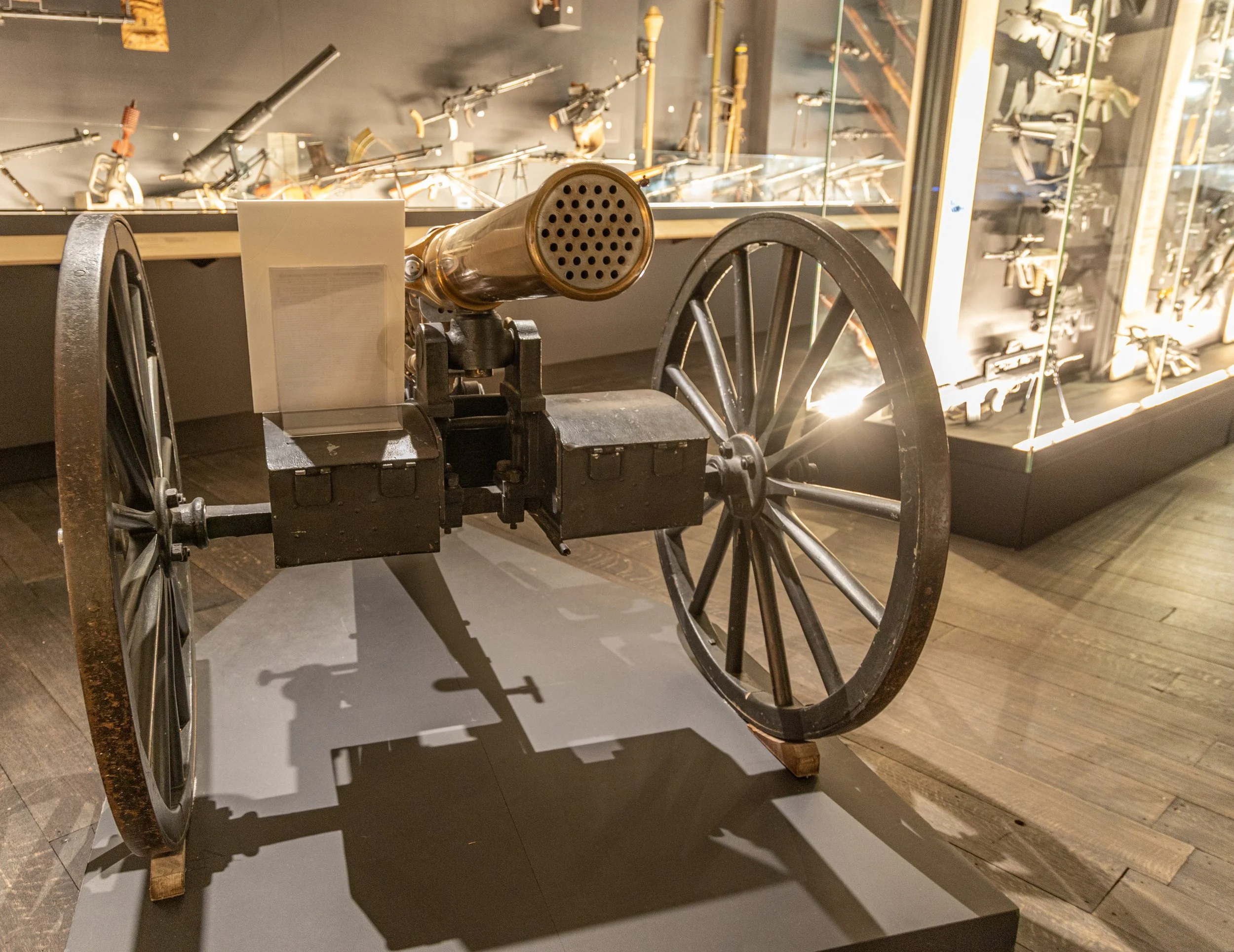
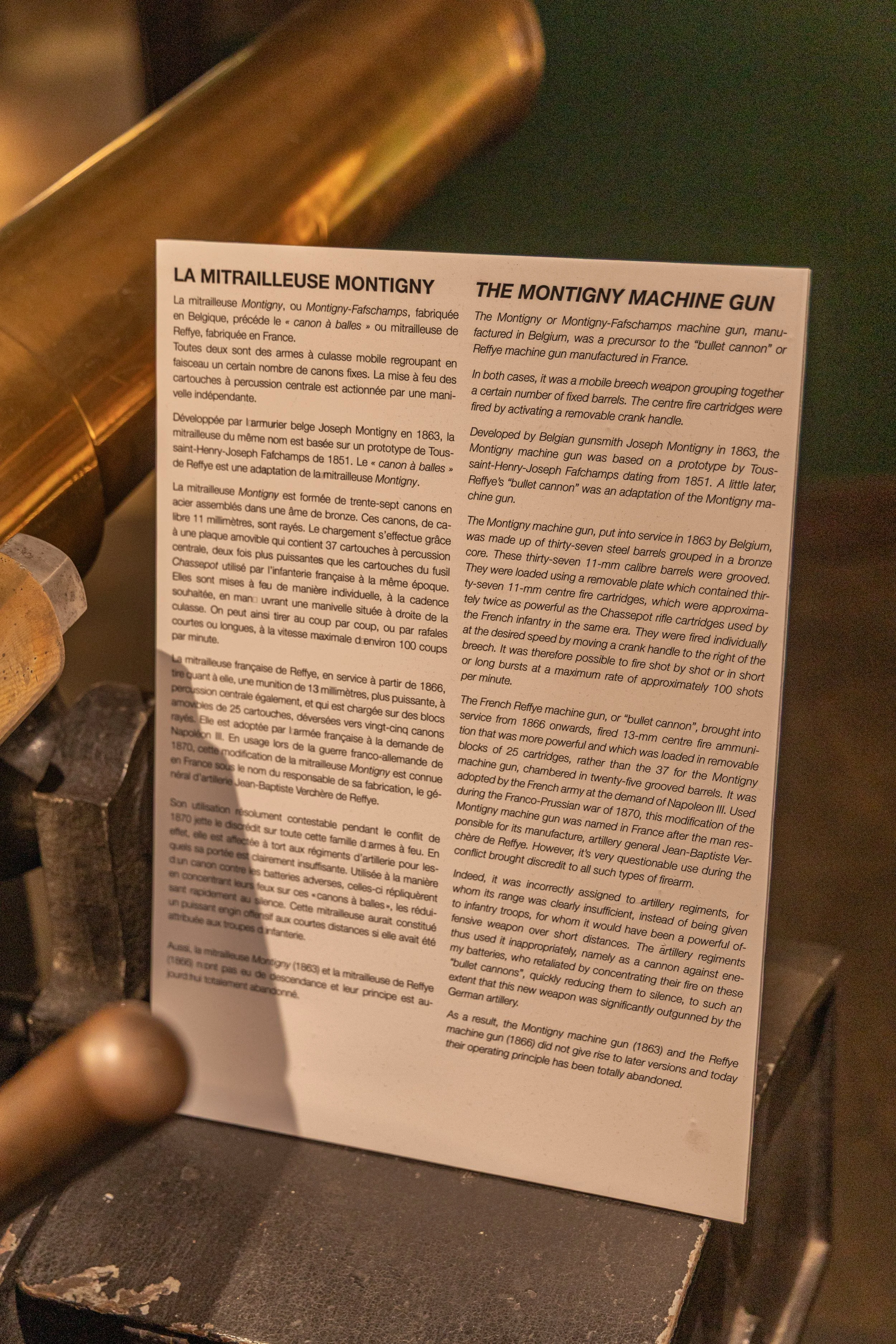
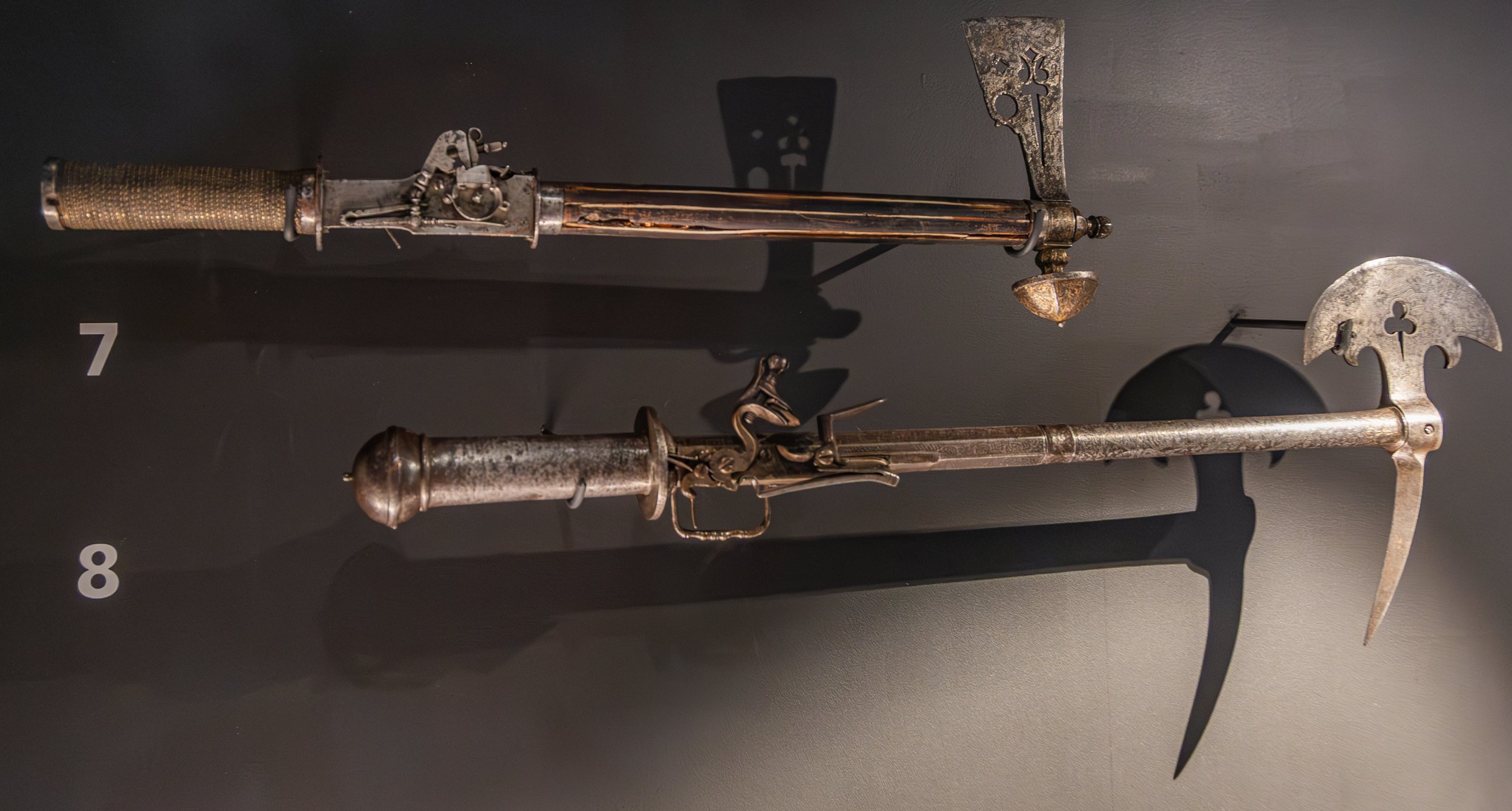
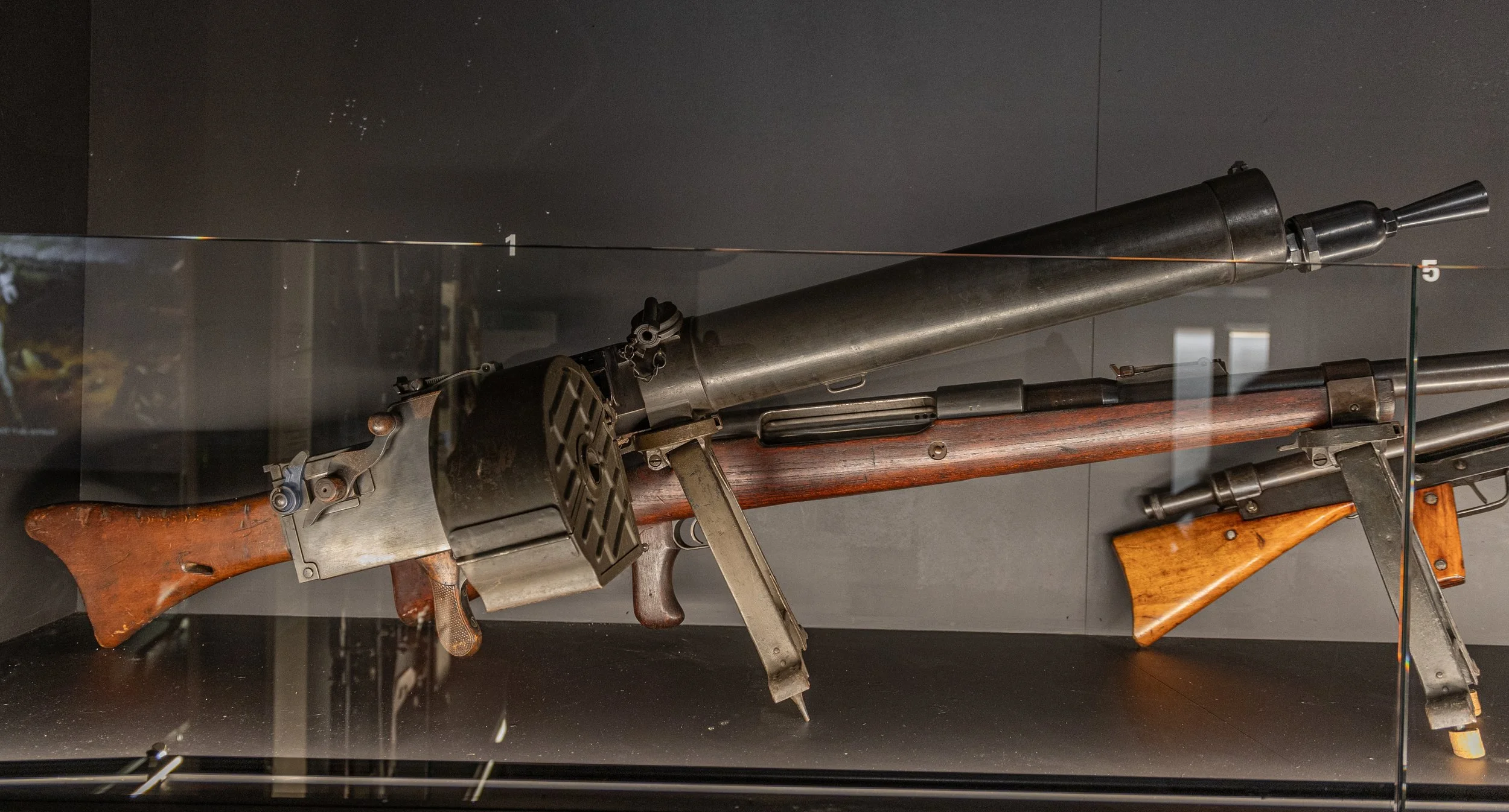
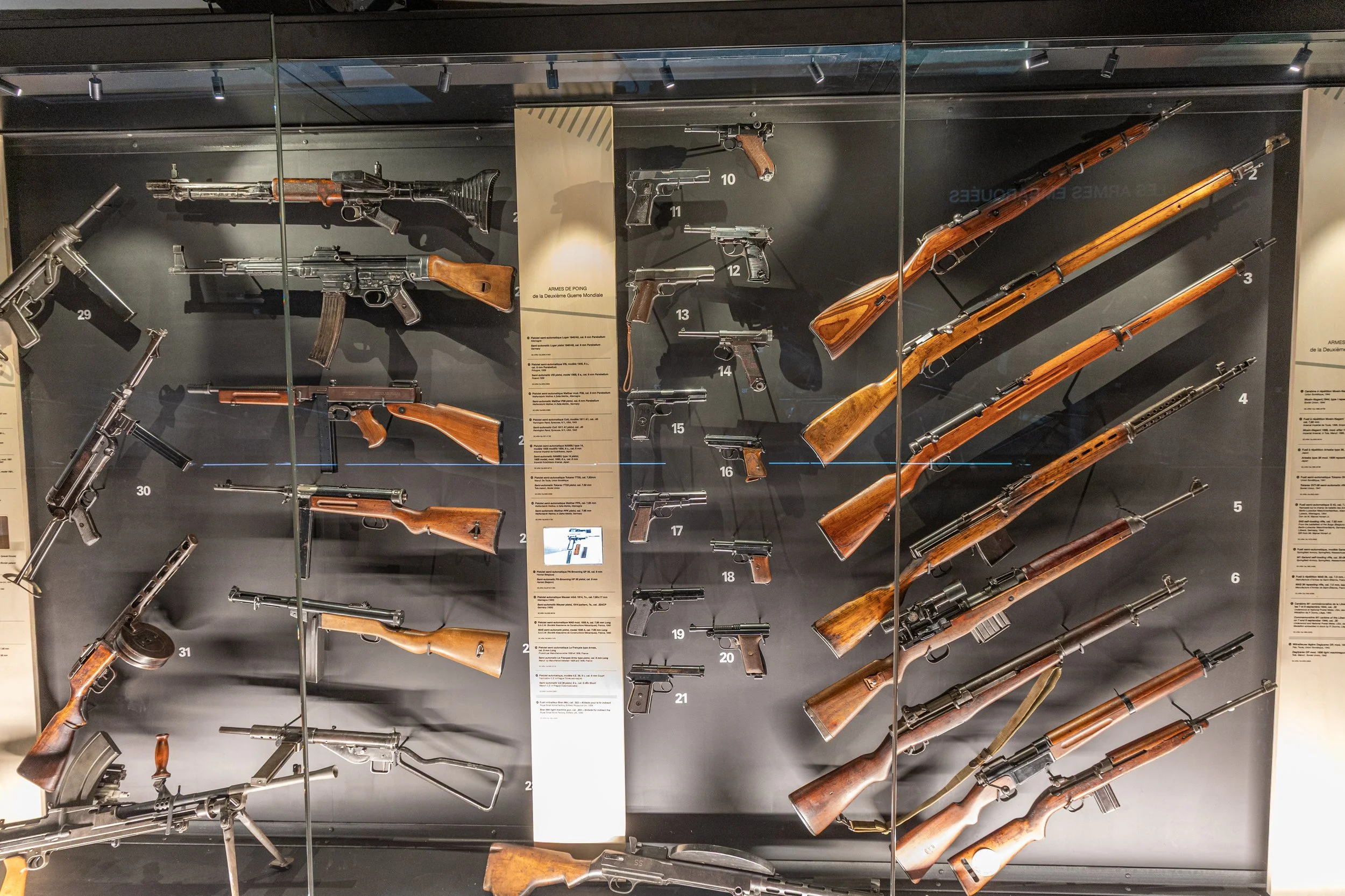
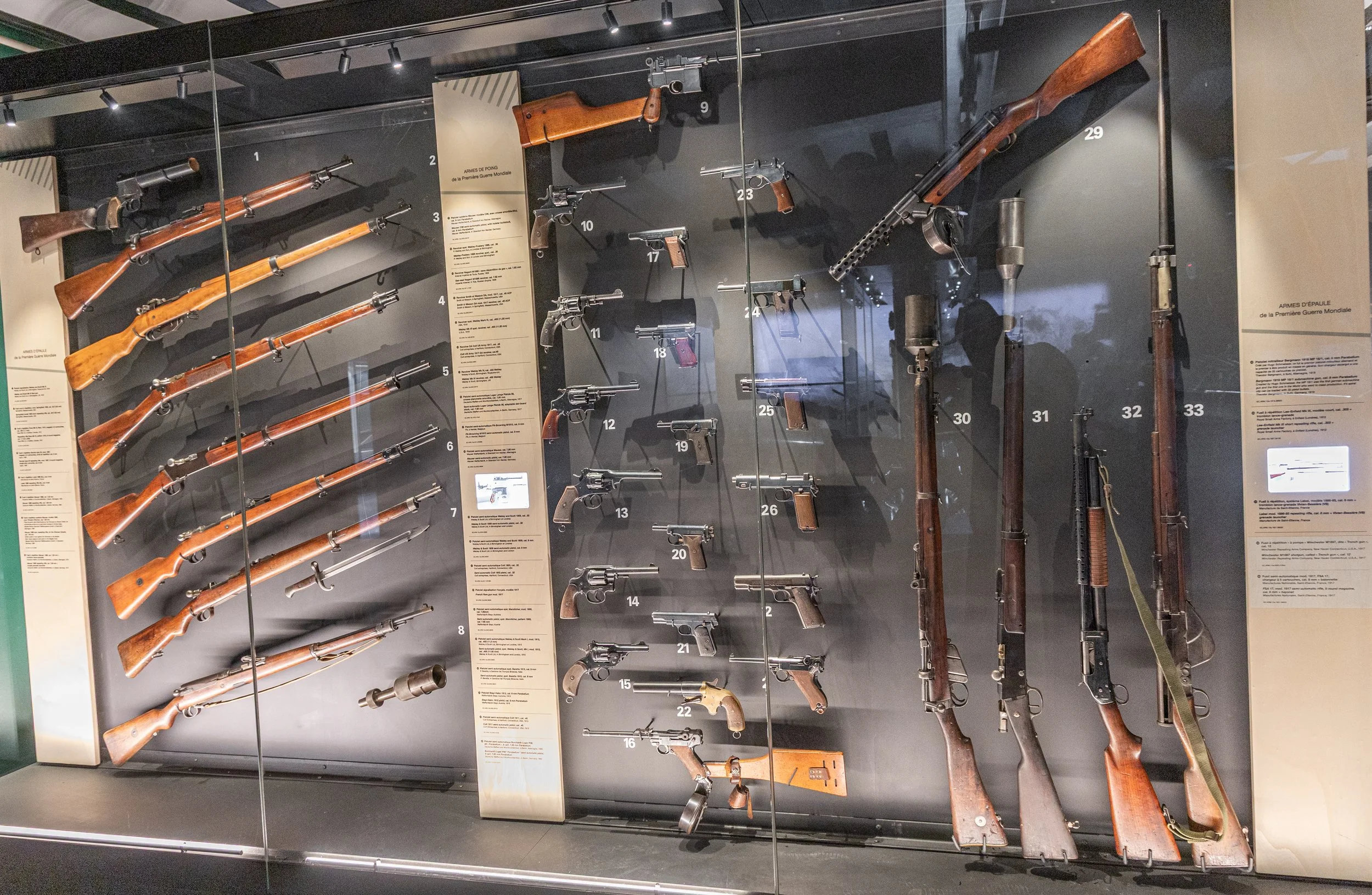
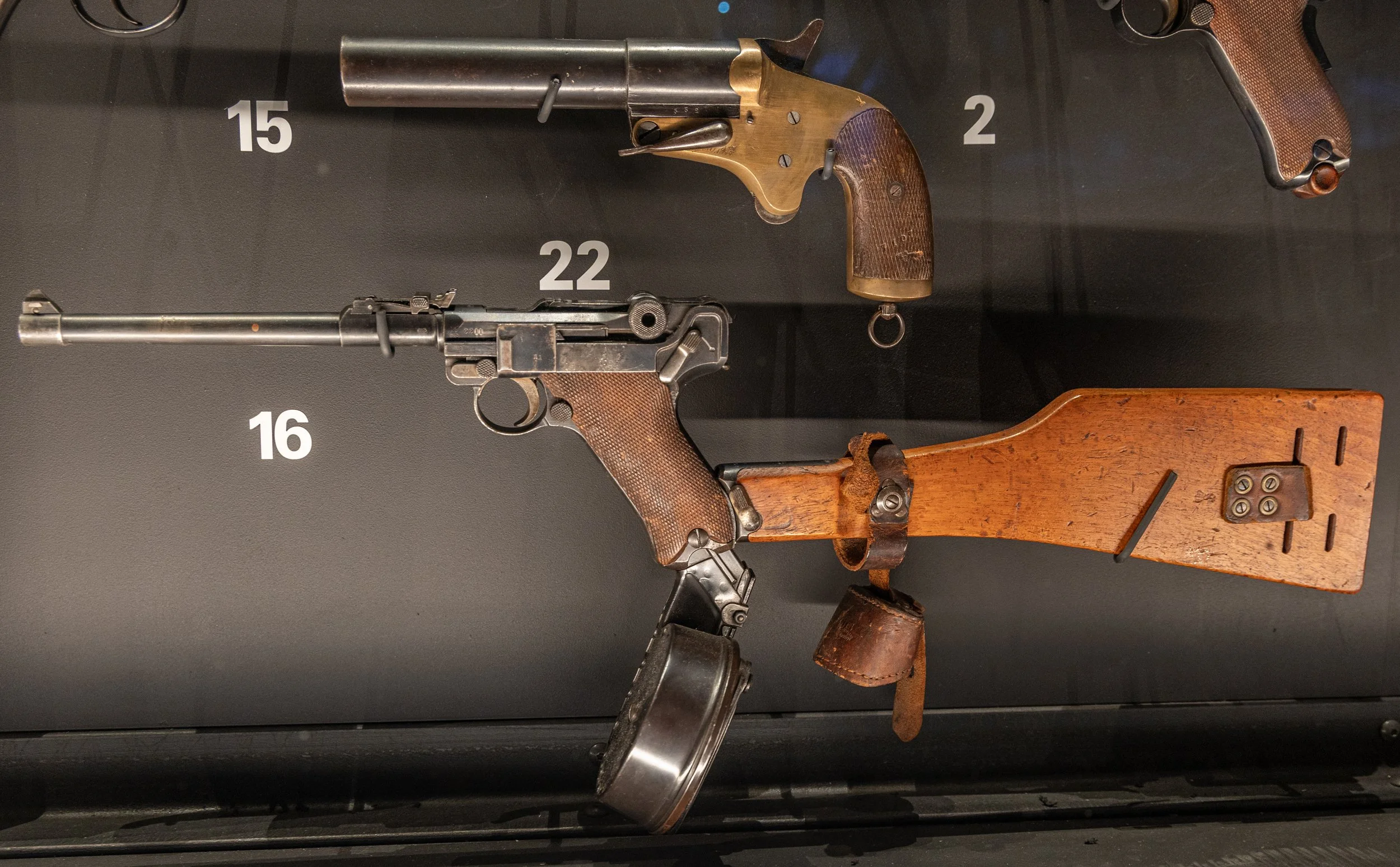
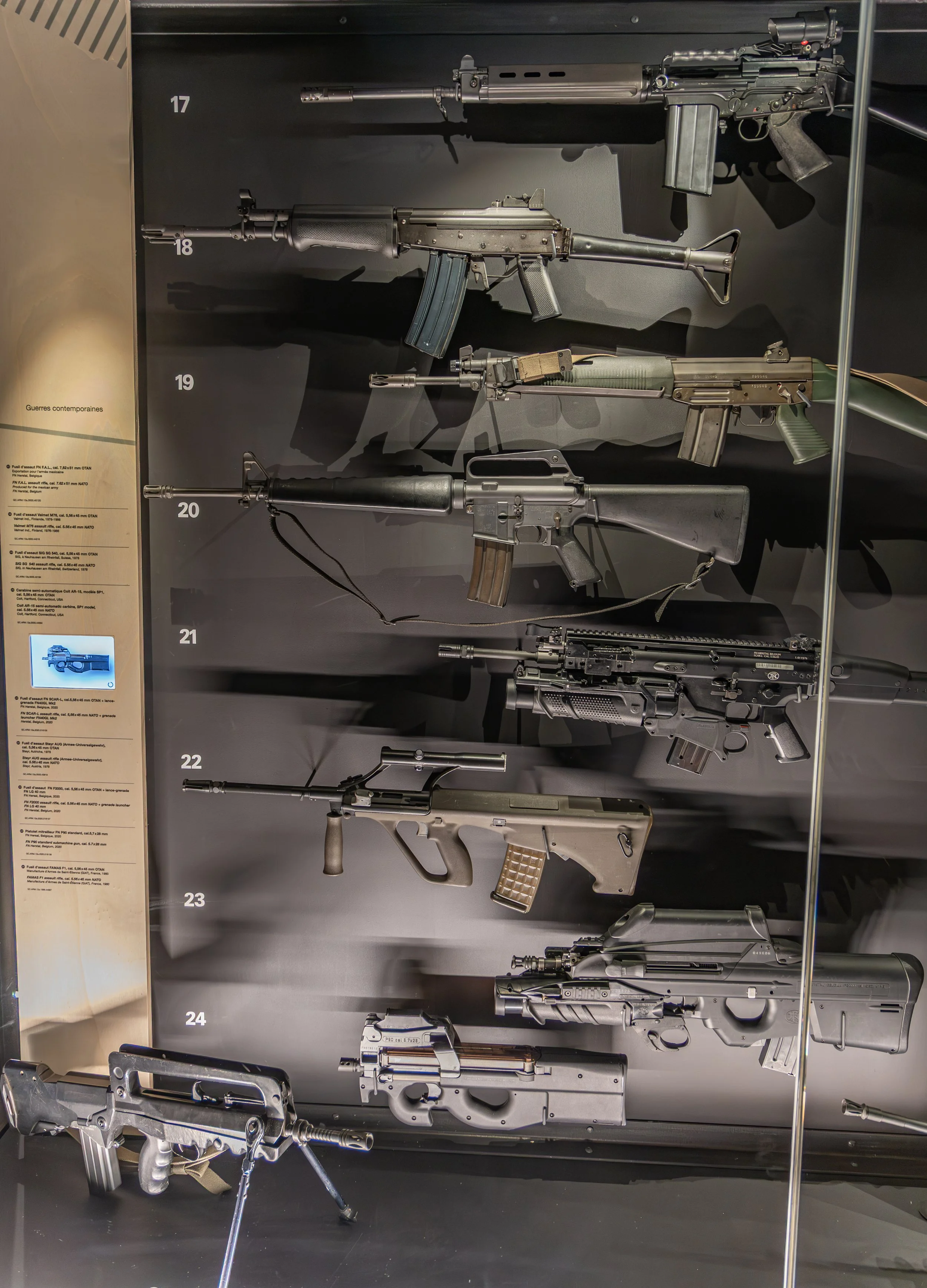
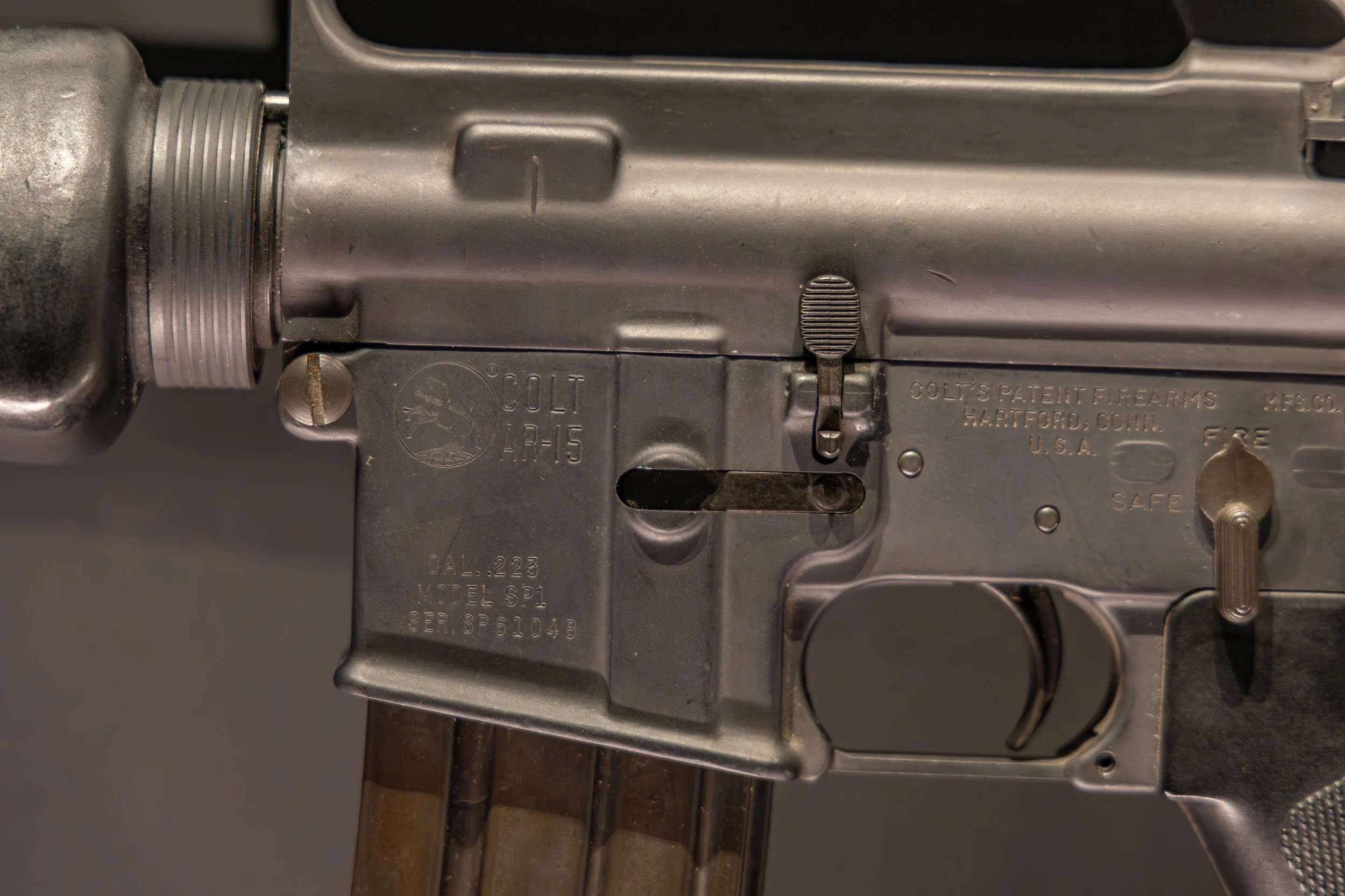
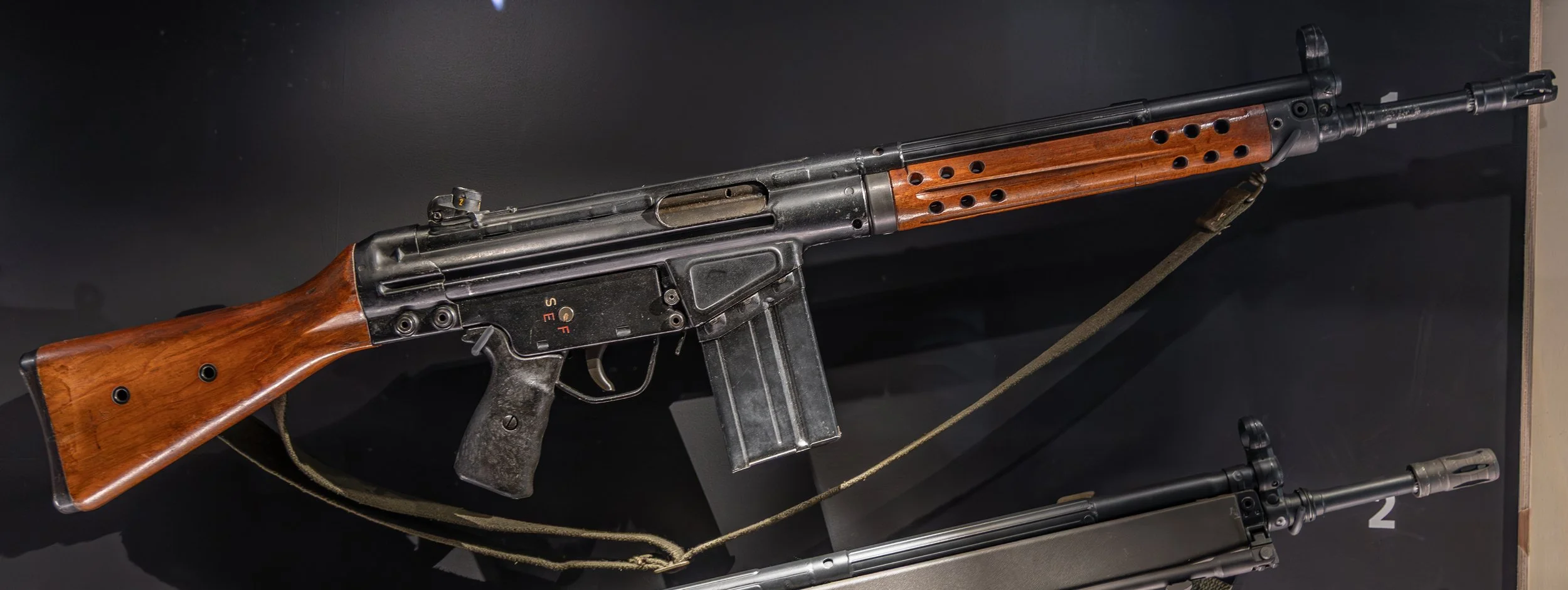
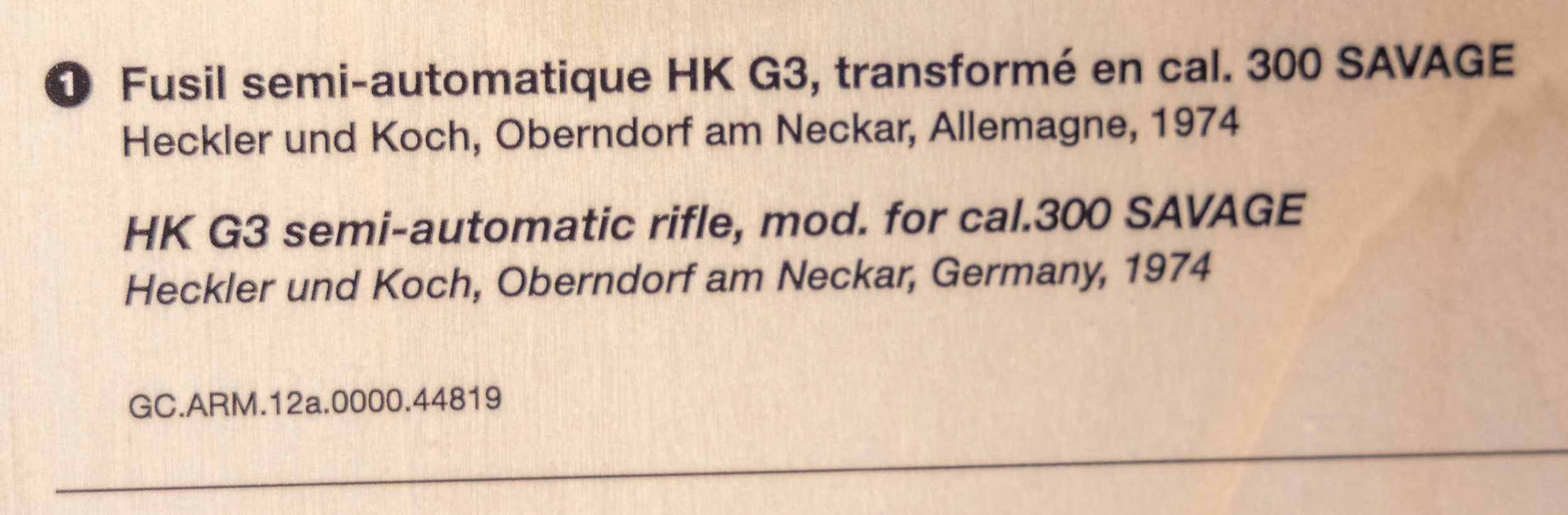
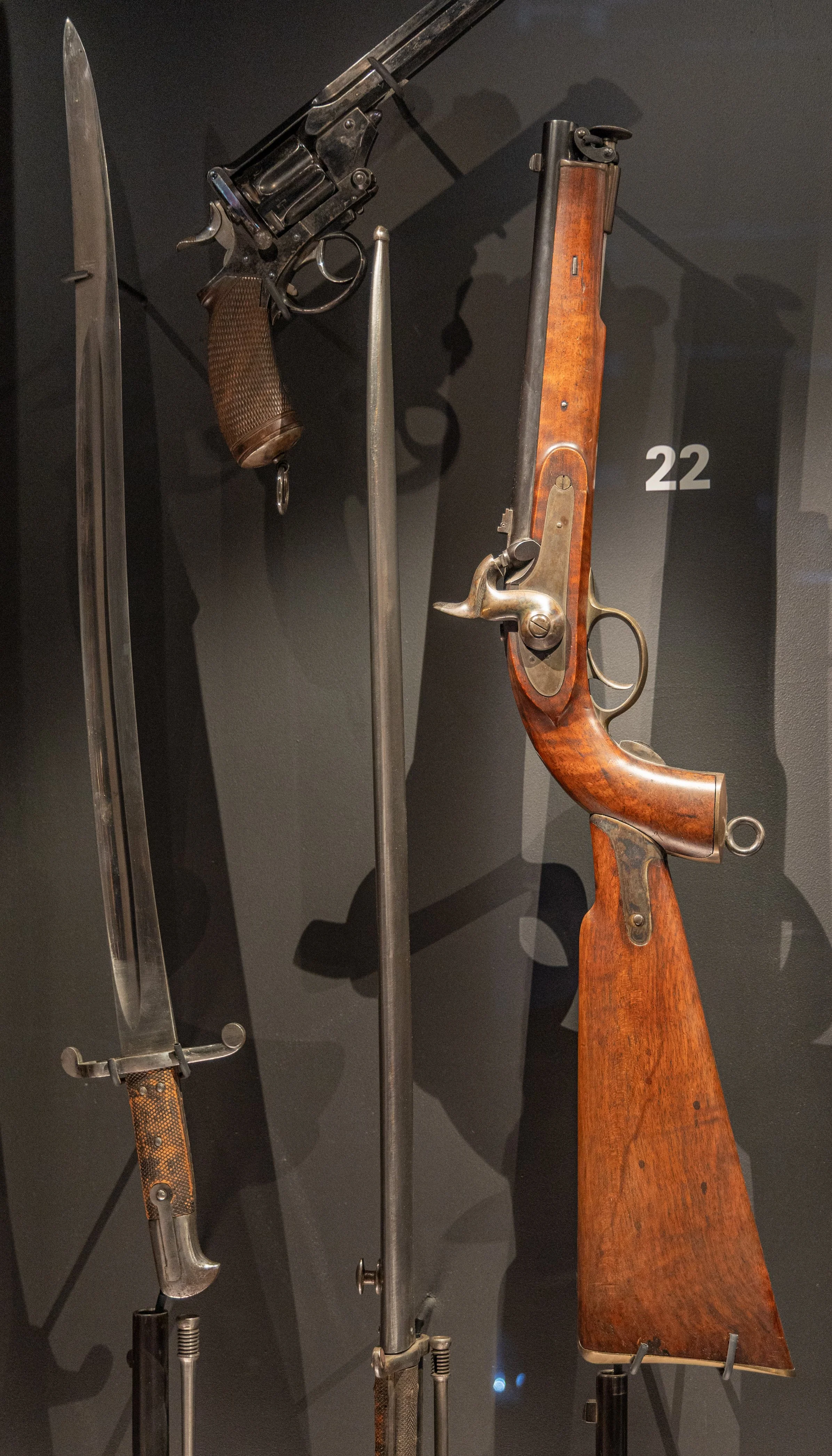
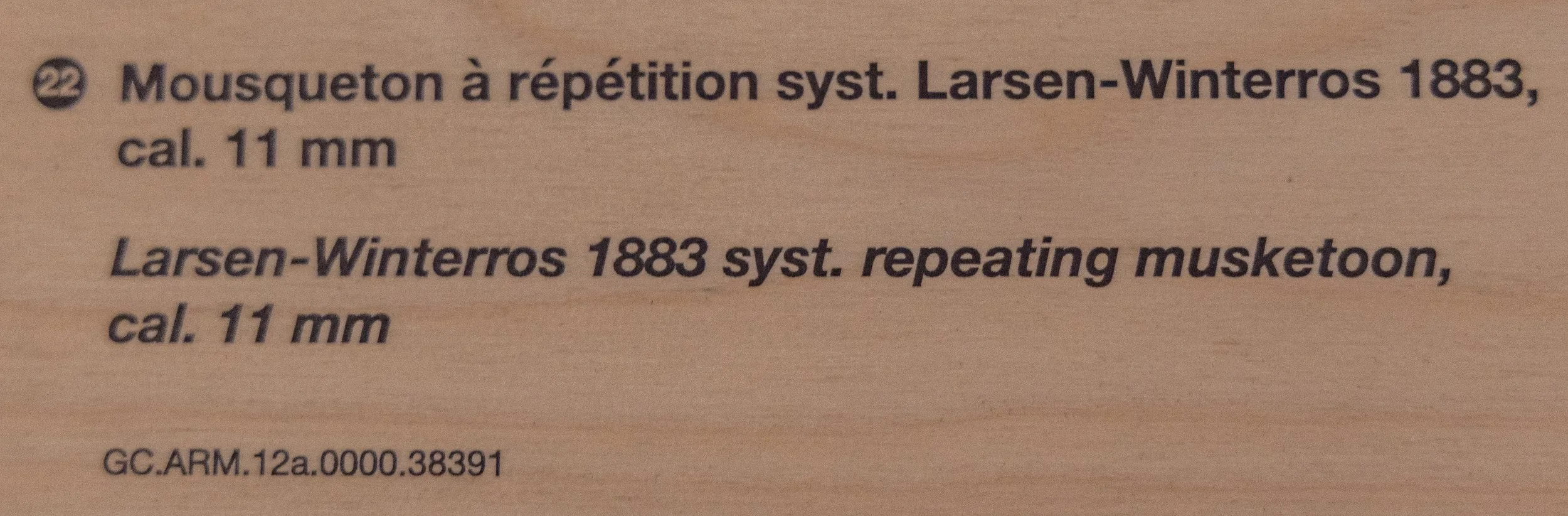
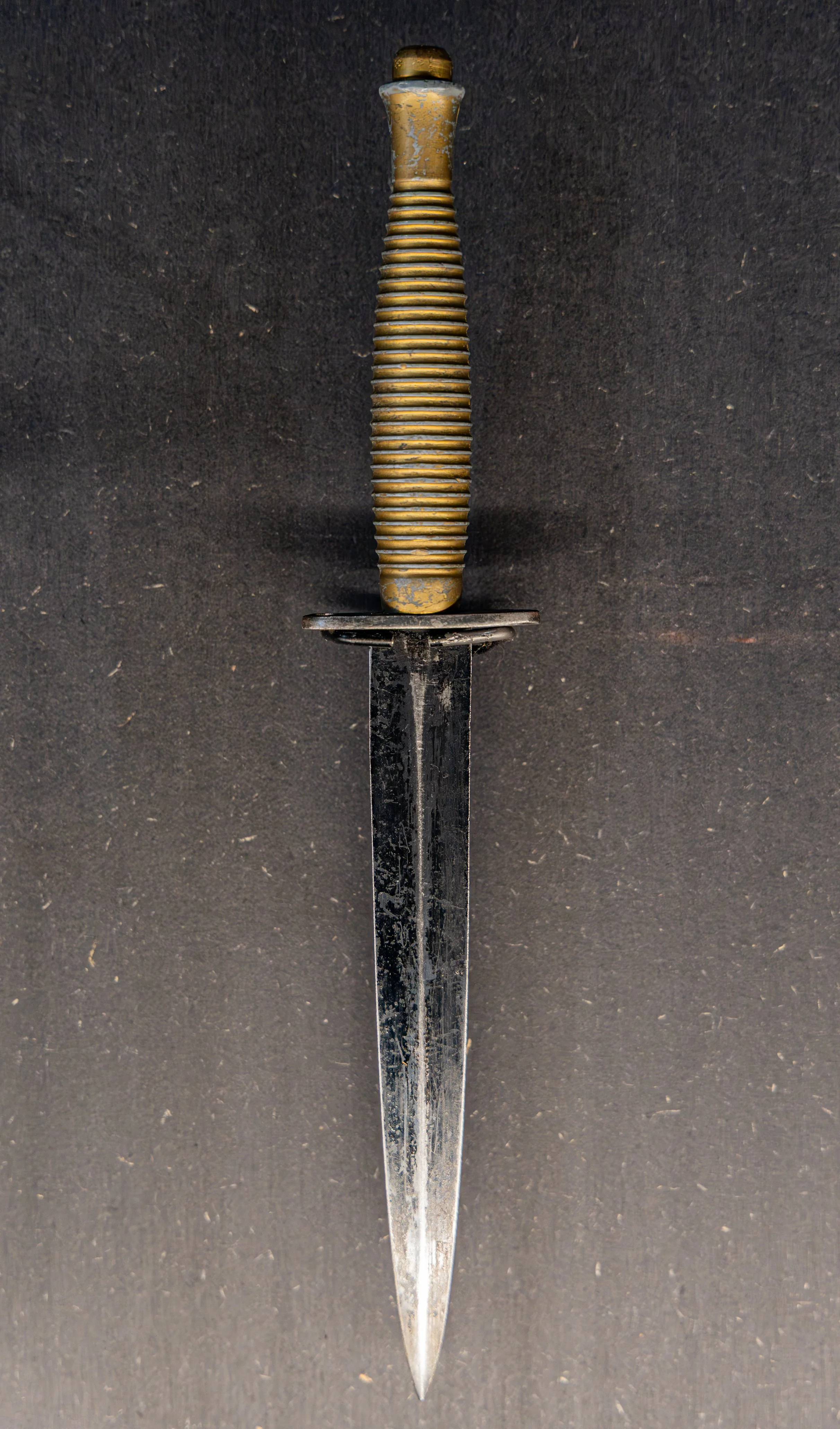
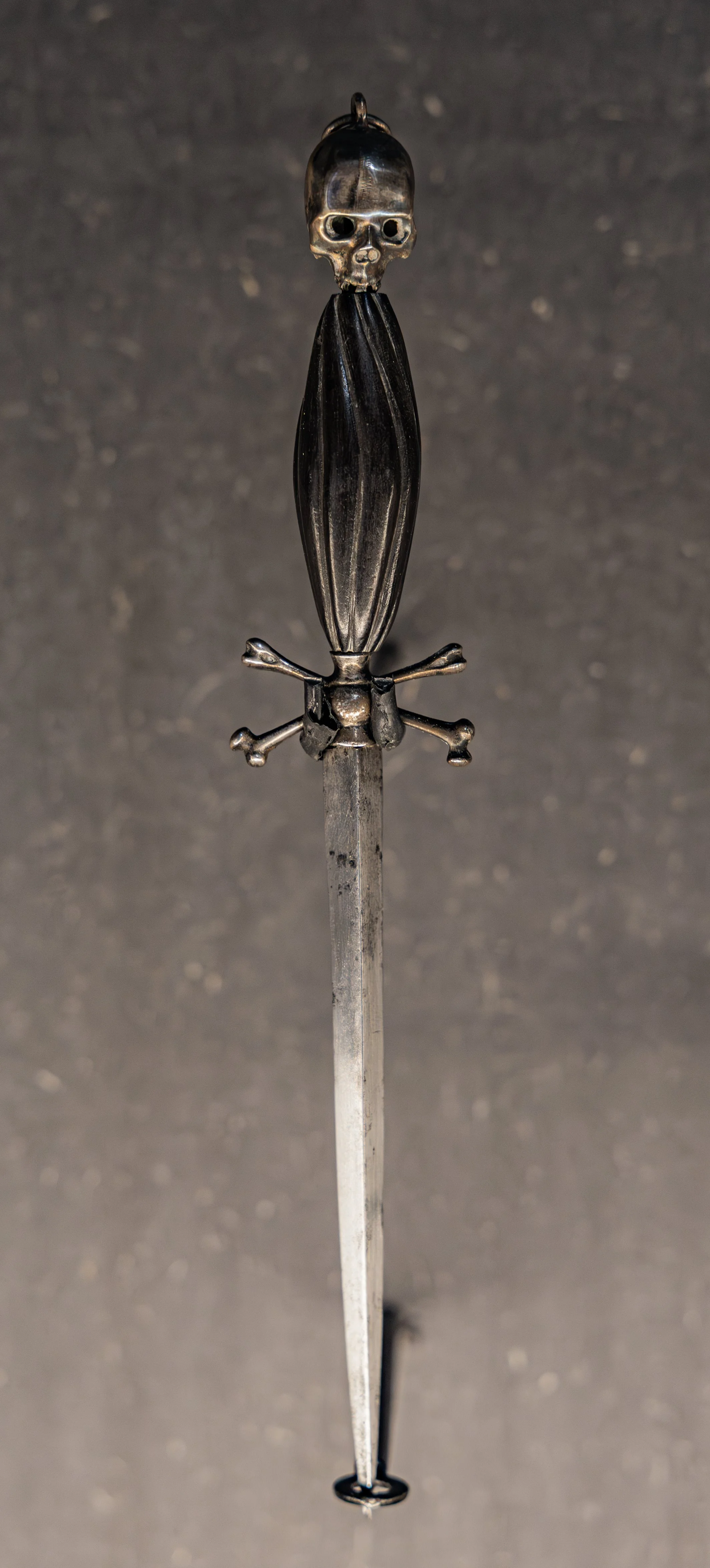
As I too finally hit firearms overload we reached the third floor – Bladed Weapons. Broadswords and sabres, spears and arrows – my middle-school self would have been in heaven. Head reeling, I found my three favorites among the dueling swords and daggers – a ring-grip Fairbairn–Sykes fighting knife, a diminutive, evil-looking ‘stylus’ with skull pommel and cross-bones guard and an ornate cannon-lighting linstock with a spear tip in case the emplacement was overrun.
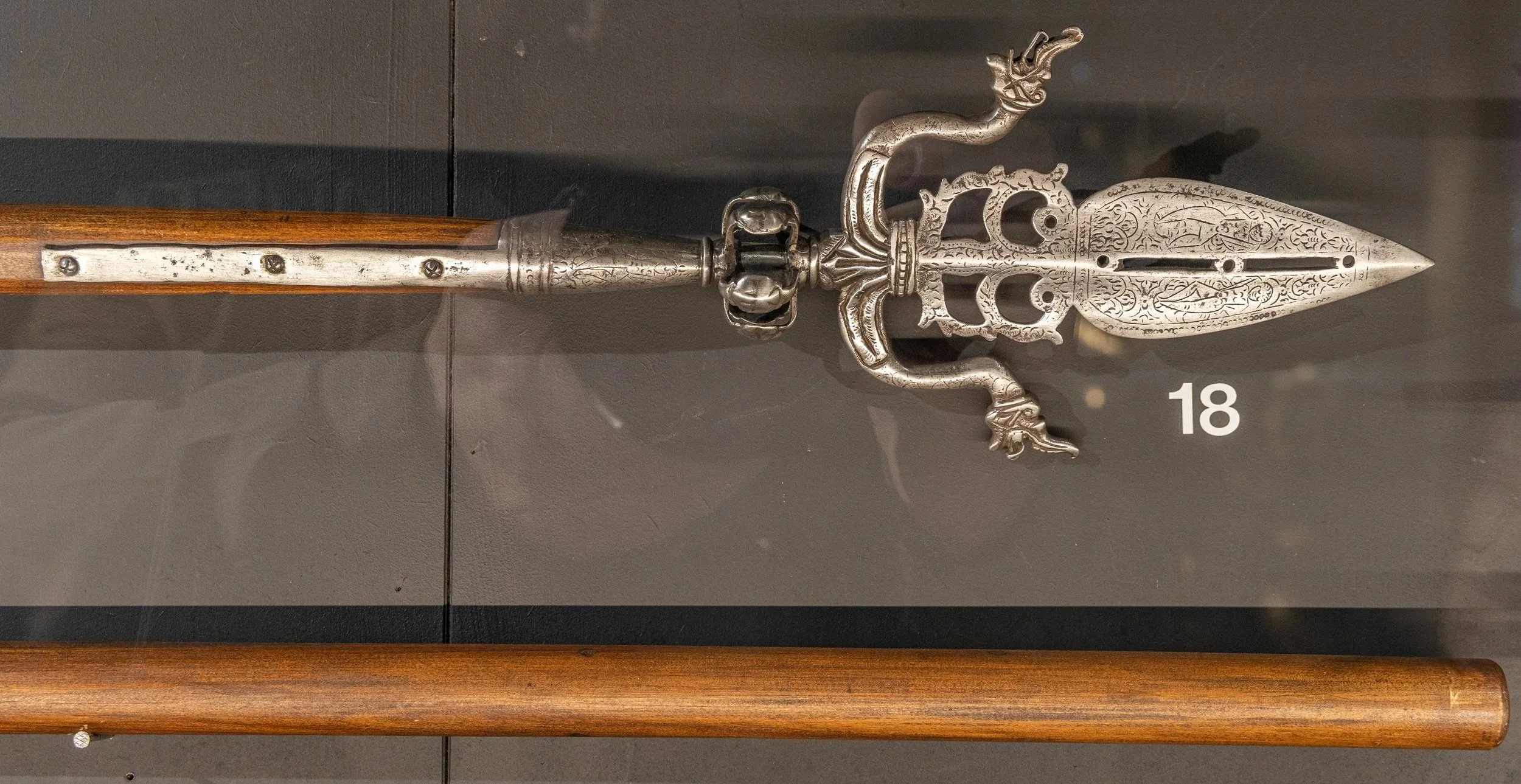
My middle-aged self has more refined tastes than the childhood version of me would have. I still want that hunting sword, though…
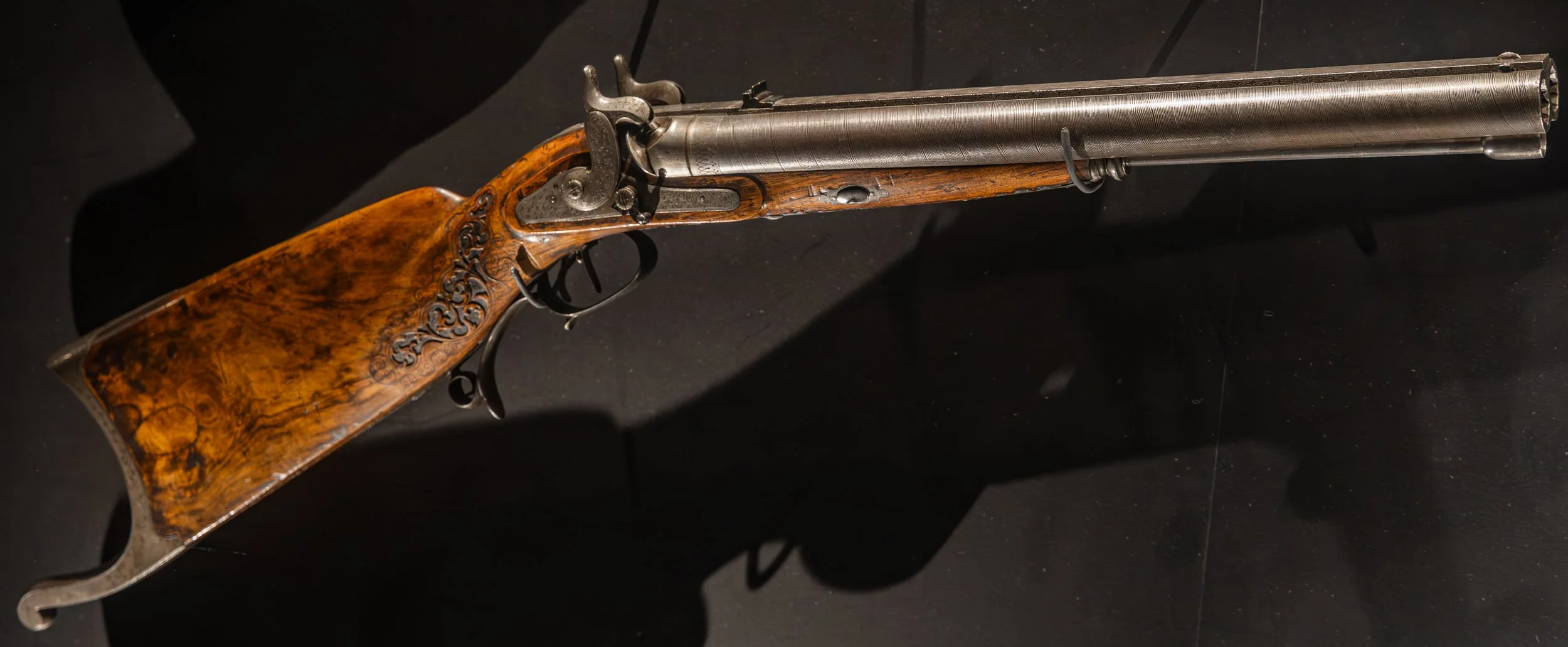
My personal favorite hunting firearm of the entire museum – a muzzle-loading .72 caliber double gun. With heavy-walled, short barrels, it had me imagining a charging buffalo disappearing behind a thick cloud of smoke – hopefully not then emerging out of it at speed…
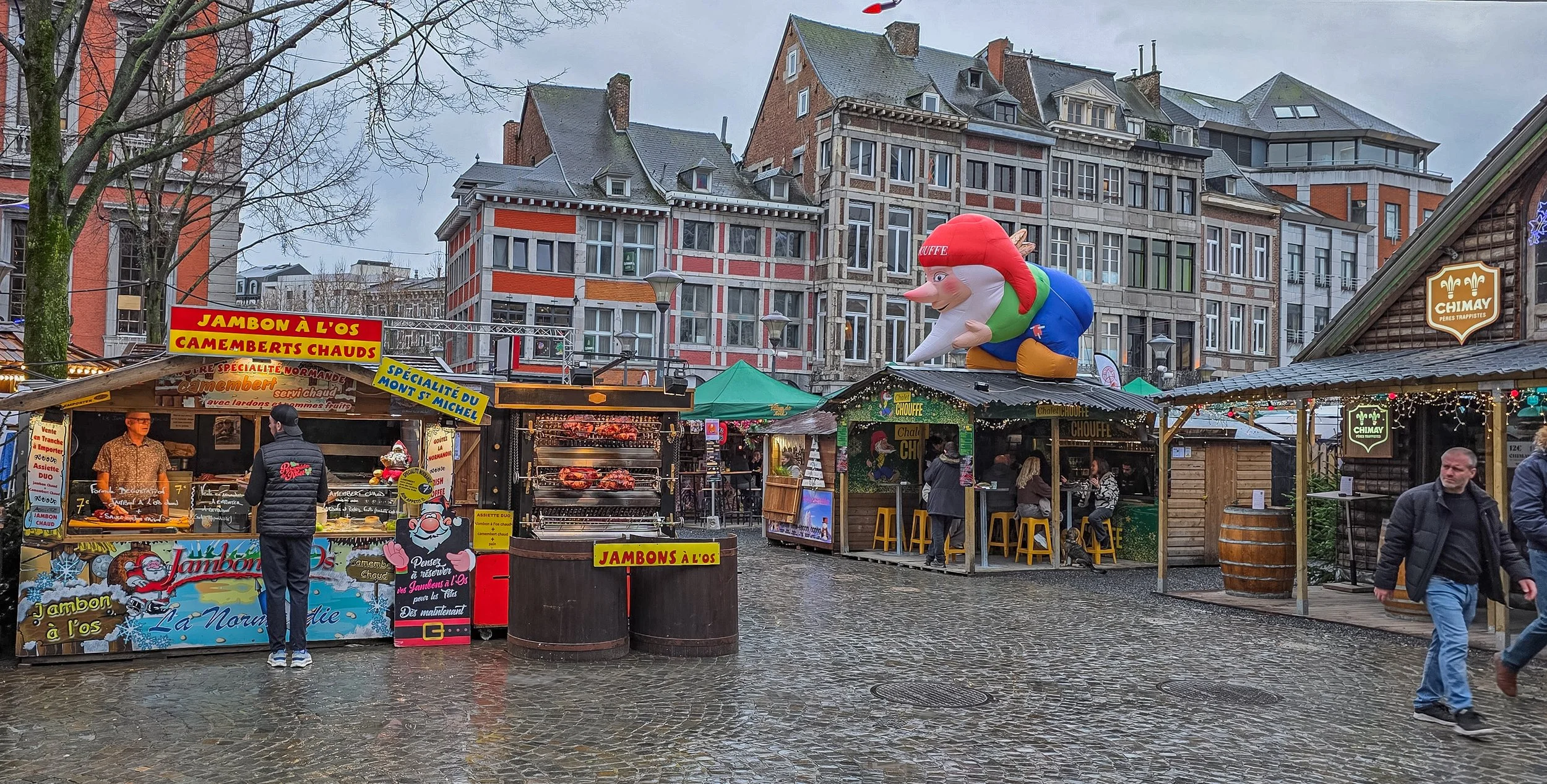
Exiting exhausted, we made our way to a sprawling Christmas market a few blocks away. Unsurprisingly, the vendors didn’t want to deal with our English, and after a while we finally settled onto some stools with some vittles that resembled food from back home – though not really.
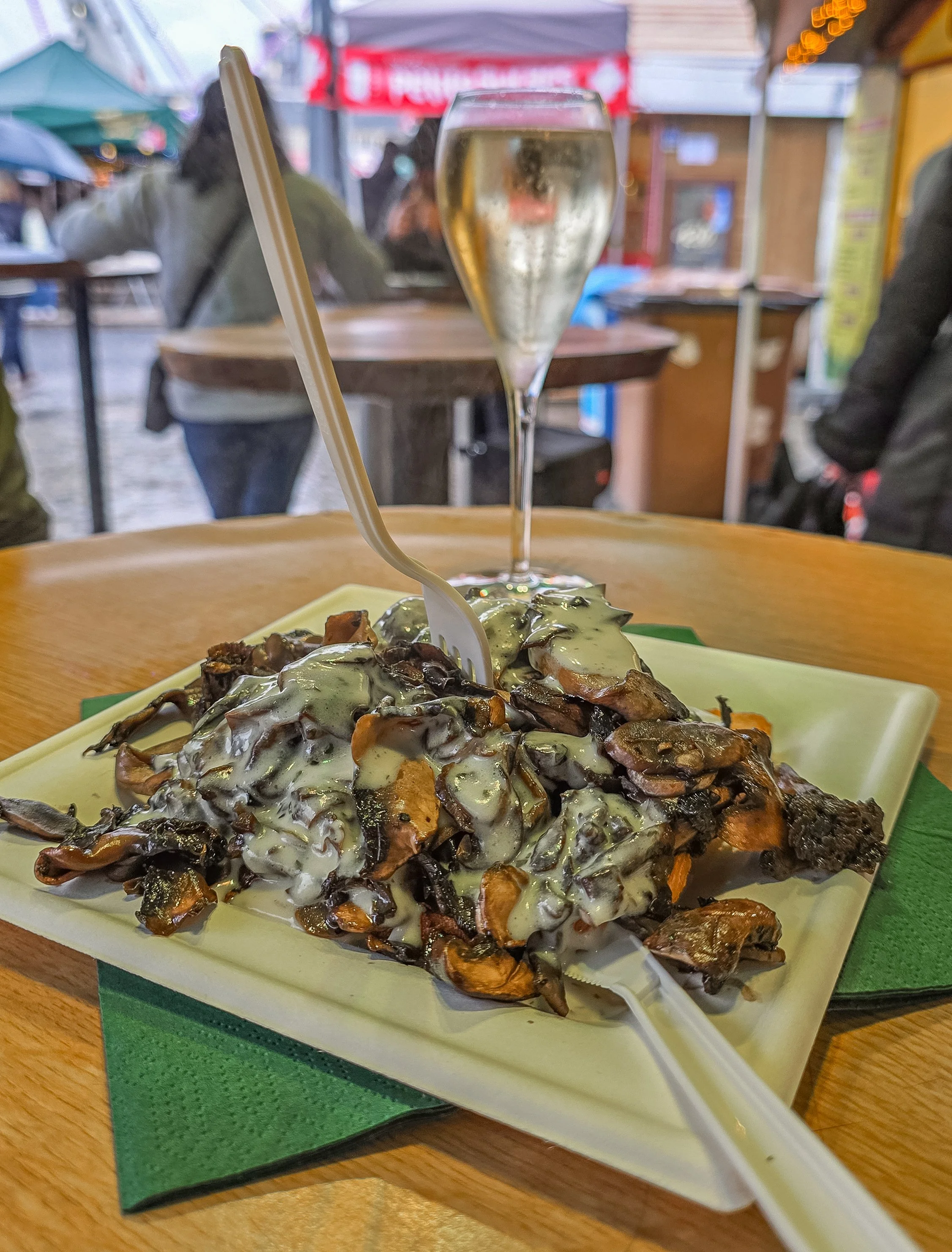
She chose the burger, while I chose the ‘shit on a shingle.’ That burger was duck, and was the most delectable, crispy, greasy smashburger either of us has ever had. Mine was toast topped with a pile of sautéed mushrooms and a garlic herb sauce over the top. Champagne to wash it down with, of course, since that was just a buck more than her Coke.
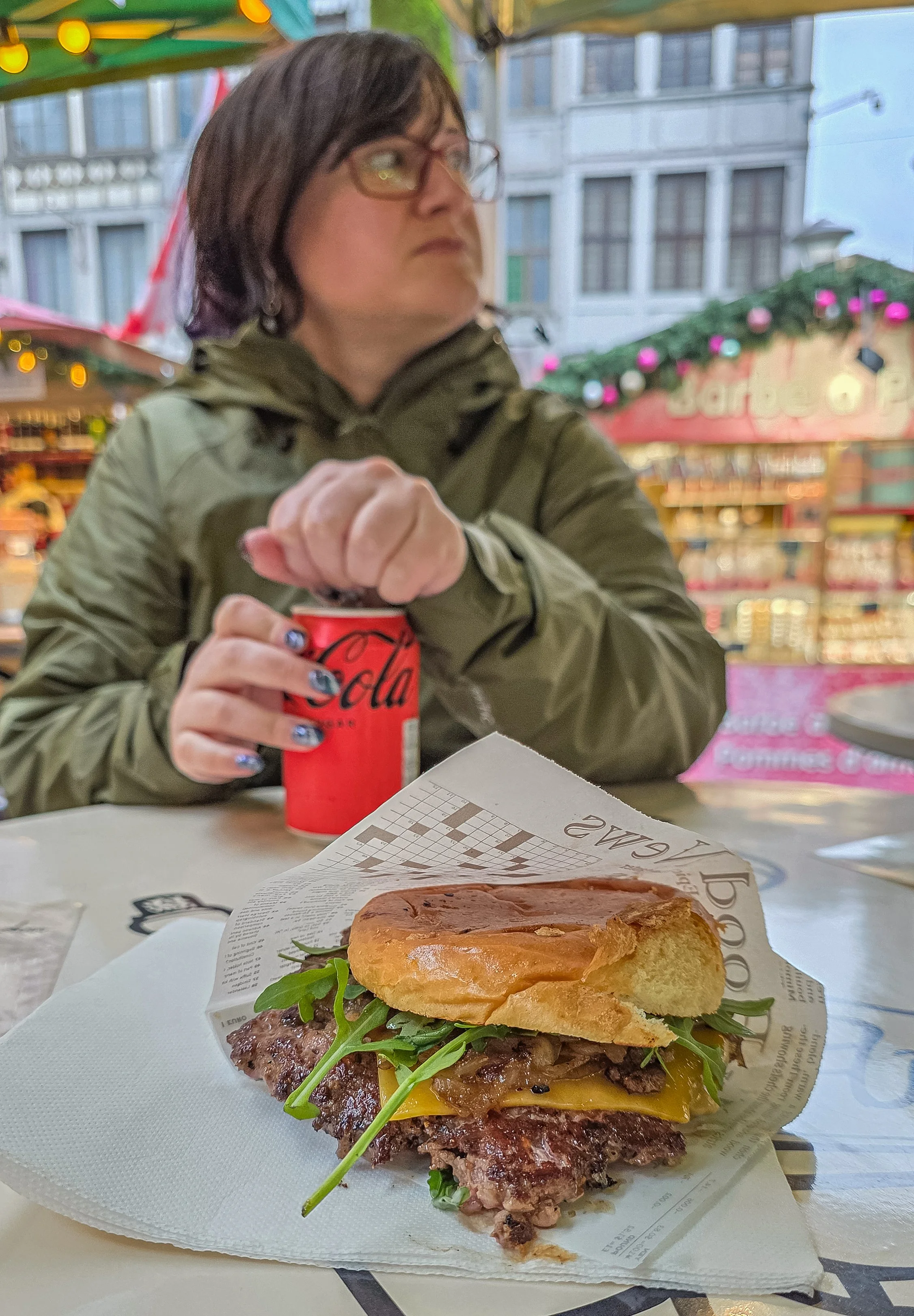
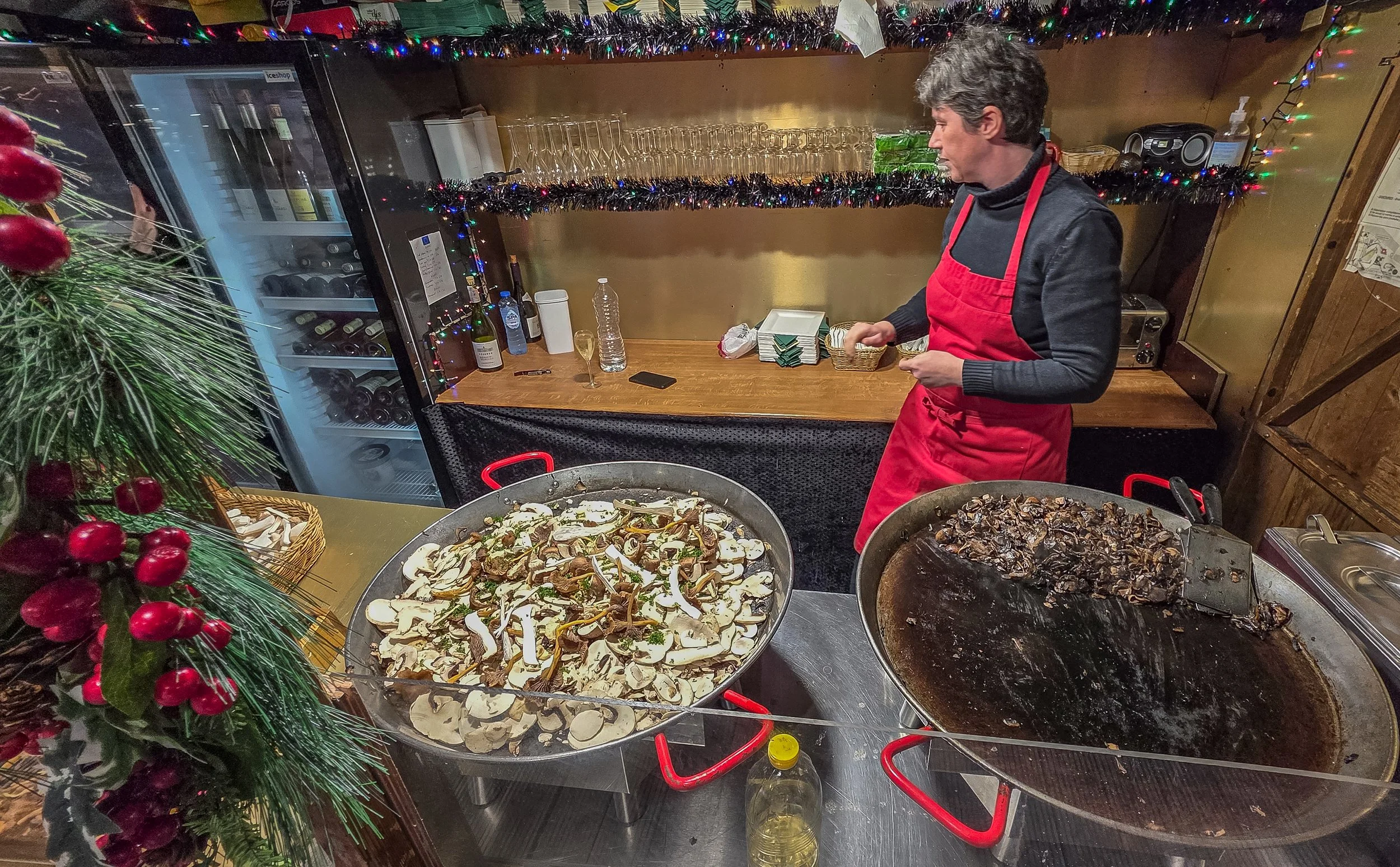
In the words of a fellow Deutsche Bahn traveler as we finally fled the territory, “The people are unhappy and not nice, but the kitchen is superb. Next time go to Flemish Belgium.”
While I don’t doubt the Royal Military Museum in Brussels would be a great way to spend a day, I came away from our time in Liège feeling lucky to have had my plans dashed to pieces. If not for that, I’d have missed out on seeing the finest collection of firearms I’ve ever laid eyes on. Even if they were dimly lit…
